Why is After Sales Support Crucial for Buyers of Orthopedic Implants?

Time:2026-05-25 Author:Henry
0%

After-sales support plays a critical role in the orthopedic implant industry. As Dr. Emily Carter, a renowned orthopedic surgeon, once stated, "The journey doesn’t end with the surgery; support is key for recovery." This highlights the necessity for robust after-sales services. Why is after-sales support vital for orthopedic implants buyers?

Patients often face challenges post-surgery. They may have questions or experience complications. Effective after-sales support can help address these issues promptly. Companies that offer responsive support can greatly enhance patient satisfaction. It also builds trust between patients and manufacturers.

Without proper support systems, patients may feel abandoned. This can lead to dissatisfaction and undermine their overall experience. Buyers should prioritize companies that understand the importance of follow-up care. Quality after-sales support ensures that all parties are invested in the success of the implant. It is a fundamental aspect that should not be overlooked.
Why is After Sales Support Crucial for Buyers of Orthopedic Implants?

Importance of After Sales Support in Orthopedic Implant Purchases

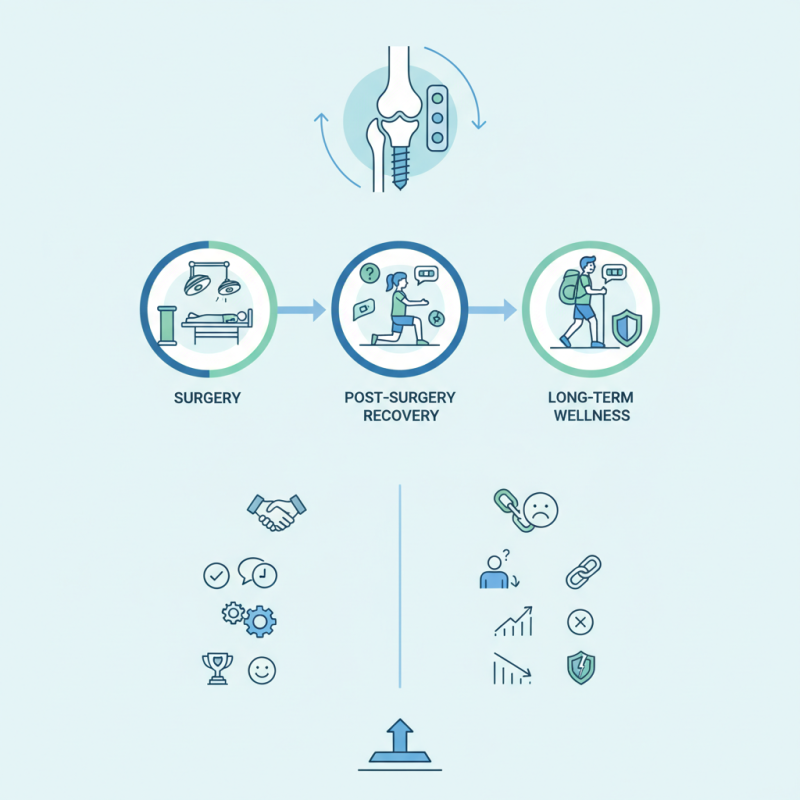
After sales support is vital in the orthopedic implant sector. Buyers often face uncertainties post-purchase. Continuous support builds trust and enhances patient outcomes. An implant's success relies not just on the product itself but also on the guidance provided afterward. This support can come in the form of consultations, educational resources, or technical assistance. For surgeons and patients, having access to such resources is crucial.

Imagine a scenario where a patient experiences complications after surgery. The immediate availability of a support team can alleviate fears. They answer questions and help manage concerns. It’s essential for healthcare providers to have reliable contacts for follow-up care. This reassurance promotes a smoother recovery process.

Moreover, the relationship between buyers and suppliers can be complex. Buyers seek transparency and accountability from manufacturers. They need to feel confident in the product’s performance over time. Feedback loops are necessary for product improvement. Some companies may not prioritize this, leading to dissatisfaction. Ultimately, effective after sales support fosters a more informed and empowered user experience.

Understanding Orthopedic Implants and Their Role in Patient Recovery

Understanding orthopedic implants is vital for patient recovery. These devices, like screws and plates, help stabilize bones after injuries or surgeries. According to a report from the American Academy of Orthopaedic Surgeons, around 31 million Americans experience knee pain, often leading to the need for surgical intervention. The effectiveness of these implants directly impacts healing time and overall functionality.

After surgery, proper support is essential. Healthcare providers must ensure patients understand their recovery protocols. Issues may arise if patients neglect follow-up care or device monitoring. Tips for patients include maintaining open communication with doctors and monitoring any discomfort or unusual symptoms. Engaging with physical therapy professionals can also enhance recovery outcomes.

It’s important to recognize that not all implants are perfect. Some may lead to complications, such as infection or rejection. Studies suggest that approximately 1-3% of orthopedic implant surgeries result in complications. Patients must acknowledge these risks and be prepared to address them proactively. Seeking detailed information about what to expect can make a significant difference in recovery journeys.

After Sales Support Impact on Patient Recovery for Orthopedic Implants

Key Elements of Effective After Sales Support for Implant Buyers

After-sales support is vital for buyers of orthopedic implants. This ensures that patients feel secure after surgery. A key element is providing clear guidance on post-operative care. Surgeons and clinics must remain accessible. Prompt responses to patient inquiries build trust. Regular follow-ups can help monitor recovery and address concerns.

Training healthcare providers on how to handle complications is essential. Staff should be knowledgeable about potential issues. This also means being ready to handle patient education effectively. Transparency on product usage fosters confidence. Buyers must receive comprehensive information about implant specifications and features.

However, not every institution manages after-sales support perfectly. Some patients report feeling neglected post-operation. Streamlining communication channels can bridge this gap. Empowering patients with knowledge about aftercare is crucial. Each patient’s experience should contribute to improving support systems. It is essential to learn from feedback. Continuous improvement leads to better outcomes for everyone involved.

Impact of After Sales Support on Patient Satisfaction and Outcomes

After sales support plays a vital role in the journey of orthopedic implant buyers. When patients undergo surgery, their primary focus is on recovery. However, questions often arise post-surgery regarding care and rehabilitation. Effective after sales support provides clarity on these aspects. Through dedicated support teams, patients receive timely guidance on managing pain and recognizing complications.

Patient satisfaction is directly linked to the quality of after sales support. When patients feel supported, they are more likely to report positive outcomes. This can significantly affect their overall well-being and willingness to adhere to recovery protocols. A responsive support team can help address concerns that may arise during the healing process. This is critical in orthopedic cases, where complications can lead to prolonged pain or dissatisfaction.

However, not all after sales experiences are flawless. Sometimes, patients feel overwhelmed or neglected. Delays in response can lead to frustration. This points to the need for continuous improvement in support systems. Optimizing communication and response times is essential for enhancing patient trust. Overall, the impact of after sales support is evident, but there is always room for betterment in these services.

Why is After Sales Support Crucial for Buyers of Orthopedic Implants? - Impact of After Sales Support on Patient Satisfaction and Outcomes

Dimension Metric Value Impact on Outcomes
Response Time Average Response Time to Support Queries 24 hours Increases patient confidence and satisfaction
Training Sessions Number of Training Sessions Offered 5 per year Enhances surgical outcomes through proper utilization
Customer Satisfaction Score Post-implementation Satisfaction Surveys 85% Direct correlation with improved patient outcomes
Technical Support Availability Support Hours per Week 40 hours Reduces downtime and complications during procedures
Follow-Up Care Percentage of Patients Receiving Follow-Up 90% Key to long-term success and patient reassurance

Challenges and Solutions in Providing After Sales Support for Implants

After-sales support plays a vital role in the orthopedic implant market. According to recent industry reports, around 70% of patients experience uncertainty after their surgeries. This discomfort often stems from lack of support. Effective after-sales services can alleviate concerns for buyers. They ensure that patients receive the proper guidance and follow-ups necessary.

Challenges in providing after-sales support are prevalent. One significant issue is the inconsistency of training among healthcare professionals. Many practitioners lack the necessary skills to address patient queries effectively. Furthermore, the rapid advancement in implant technology adds complexity. Healthcare providers may struggle to keep up with the latest information. As a result, patients often feel lost or confused about their recovery process.

Solutions to these challenges involve structured training programs for medical staff. Investing in continuous education can bridge the knowledge gap. Additionally, technology can streamline communication. Utilizing telehealth platforms can provide patients with immediate access to expert advice. A study indicated that over 50% of patients prefer digital communication methods. These solutions can greatly enhance the overall patient experience after surgery.

FAQS

: What are orthopedic implants used for?

: Orthopedic implants stabilize bones after injuries or surgeries. They include devices like screws and plates.

How does effective implant use impact recovery?

Effective implant use can shorten healing time. It enhances overall functionality for patients.

Why is post-operative support crucial?

Post-operative support helps patients understand recovery protocols. It can prevent issues from neglecting follow-up care.

What complications can arise from implants?

Some implants may lead to complications, such as infection or rejection. Risks range from 1-3% in surgeries.

How can patients improve their recovery outcomes?

Engaging with physical therapy professionals can enhance recovery. Open communication with doctors is also vital.

What challenges do healthcare providers face in after-sales support?

Many providers lack training to handle patient inquiries effectively. Rapid technological advancements complicate matters.

How can technology improve patient support?

Telehealth platforms can offer patients immediate access to expert advice. Digital communication is preferred by many.

What feedback should be considered for support improvement?

Patients’ experiences can help identify gaps in support systems. Learning from feedback is essential for better outcomes.

Is after-sales support consistently delivered?

Not all institutions provide effective after-sales support. Some patients feel neglected, highlighting areas for improvement.

What role does patient education play in recovery?

Empowering patients with knowledge about aftercare is crucial. It can significantly affect their recovery experience.

Conclusion

After-sales support plays a crucial role in the purchase of orthopedic implants, directly impacting patient recovery and satisfaction. Understanding orthopedic implants and their significance can shed light on why after-sales support is vital for orthopedic implants buyers. This support encompasses critical elements such as training for healthcare professionals, accessibility to product information, and responsive customer service, all of which enhance the overall effectiveness of the implants.

Moreover, effective after-sales support not only improves patient outcomes but also addresses challenges that may arise post-purchase. By providing solutions to common issues and ensuring ongoing communication, healthcare providers can foster a better patient experience, ultimately leading to higher satisfaction rates. In essence, the significance of after-sales support cannot be overstated when it comes to maximizing the benefits of orthopedic implants and ensuring a smoother recovery journey for patients.

Henry

Henry

Henry is a dedicated marketing professional with a profound expertise in the company's offerings. With years of experience in the industry, he possesses an impressive understanding of the market dynamics and consumer behaviors that drive success. Henry is committed to sharing his insights through......