Choosing orthopedic implants is a crucial decision that affects patient outcomes. Dr. John Smith, an expert in orthopedic medicine, once stated, "The right implant can be the difference between success and failure." This highlights the importance of understanding how to select orthopedic implants for long-term clinical reliability.
Selecting the proper implant involves careful consideration of various factors. One must assess the patient's specific needs, activity level, and potential for bone healing. Each patient's anatomy can differ significantly. This variability adds complexity to the decision-making process. Furthermore, the materials and designs of implants continue to evolve, presenting both opportunities and challenges for surgeons.
It’s easy to overlook certain details when choosing implants. Surgeons might rely on familiar brands without fully understanding their long-term performance. Additionally, patient feedback is often underutilized in future implant selections. Engaging with patients about their experiences can offer valuable insights. By reflecting on these aspects, orthopedic professionals can enhance their approach to selecting implants that promise long-term reliability.
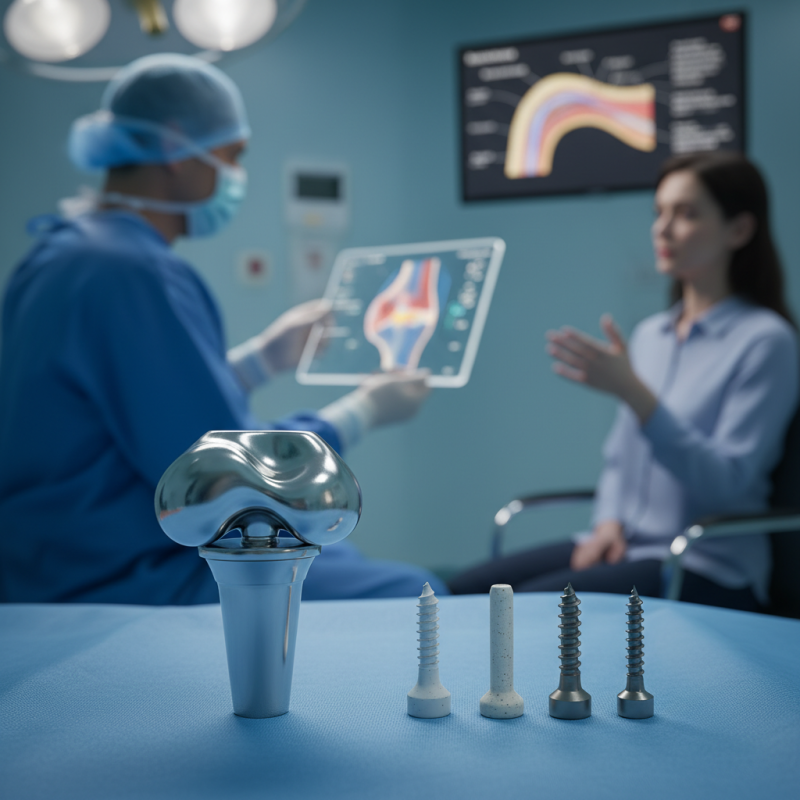
Choosing the right orthopedic implants is crucial for successful surgeries. Several factors should guide this selection process. Materials play a significant role. Stainless steel, titanium, and biodegradable polymers are commonly used. Each has its pros and cons. For instance, titanium is lightweight and strong but can be more expensive. Stainless steel is cost-effective but may corrode over time.
Another consideration is the implant's design and fit. Customization is essential for optimal outcomes. Implants must match the patient’s anatomy precisely. The failure rates for poorly fitted implants can reach up to 20% in some studies. Furthermore, surgical technique impacts longevity. A poorly executed procedure can lead to complications, even with high-quality implants.
Patient factors also cannot be overlooked. Age, activity level, and bone quality influence implant life. Young athletes may require stronger options, while older adults might benefit from polymer-based implants. It's important to remember that no solution is perfect. Continuous research is vital to develop better, more intuitive devices. Ultimately, the goal is to enhance reliability in orthopedic care.
| Factor | Description | Importance Level |
|---|---|---|
| Material | Type of material used for the implant, influencing biocompatibility. | High |
| Mechanics | Strength and durability under stress, important for long-term function. | High |
| Design | The shape and configuration of the implant affecting its fit and function. | Medium |
| Regulatory Approval | Compliance with medical standards and regulations ensuring safety. | High |
| Manufacturing Quality | The quality assurance processes during the production of implants. | High |
| Cost | Financial considerations affecting accessibility and procurement. | Medium |
: The surgeon's experience and the performance of the implants are critical factors.
Experienced surgeons have a lower failure rate of about 5%, while less experienced ones face 15%.
Skilled surgeons minimize complications and often achieve higher patient satisfaction rates.
Different materials, like titanium, have a higher success rate due to better biocompatibility.
Yes, cheaper options can lead to complications like premature wear over time.
Proper post-operative care ensures optimal healing and early detection of issues.
Follow rehabilitation guidelines and attend regular check-ups to monitor recovery.
A balanced diet rich in vitamins supports healing, and neglecting this can delay recovery.
Patients may struggle with pain, leading them to miss important exercises.
Individual healing varies, so patience and self-reflection are key for a successful recovery.
Choosing orthopedic implants for long-term clinical reliability involves several critical factors that ensure the best outcomes for patients. Key considerations include understanding the types of orthopedic implants available and their specific applications, which help in matching the right implant with patient needs. The material composition of the implant is crucial, as it directly impacts durability and performance, influencing how well the implant withstands the stresses of daily use.
Additionally, evaluating the surgeon's experience is essential, as skilled professionals can significantly affect implant performance and patient recovery. Post-operative care also plays a vital role; adhering to rehabilitation and care protocols can enhance the longevity of the implant. Ultimately, knowing how to select orthopedic implants for long-term clinical reliability is a multifaceted process that demands careful consideration of all these factors.

 Nipa Orthopedic Implants