How to Choose Orthopedic Implants for Various Medical Departments?

Time:2026-06-07 Author:Sophia
0%

Choosing the right orthopedic implants is crucial for successful surgeries across various medical departments. With a multitude of options available, healthcare professionals face challenges in making the best selections. Understanding "how to choose orthopedic implants for different medical departments" can significantly impact patient outcomes and recovery times.

Orthopedic surgeons must consider patient-specific factors, such as age, health condition, and activity level. These details guide the selection process. Different departments may require varied implant materials and designs. For instance, trauma surgery might need implants that offer immediate stability, while joint replacement may focus on longevity and functionality. The complexity of this decision highlights the necessity for thorough evaluation.

Despite gaining expertise, not all choices are perfect. There can be instances of unforeseen complications or implant failures. Continuous learning and adaptation based on clinical experience are essential. Engaging in discussions with colleagues and reviewing case studies can provide fresh insights. Therefore, the path to selecting appropriate orthopedic implants is not always clear-cut but remains vital for enhancing patient care.
How to Choose Orthopedic Implants for Various Medical Departments?

Understanding Different Types of Orthopedic Implants in Medicine

Orthopedic implants play a crucial role in various medical departments. Their types can significantly impact patient recovery and surgical effectiveness. According to a report by MarketsandMarkets, the global orthopedic implants market is projected to reach $87.8 billion by 2025. This growth is driven by increased orthopedic procedures and advancements in implant technology.

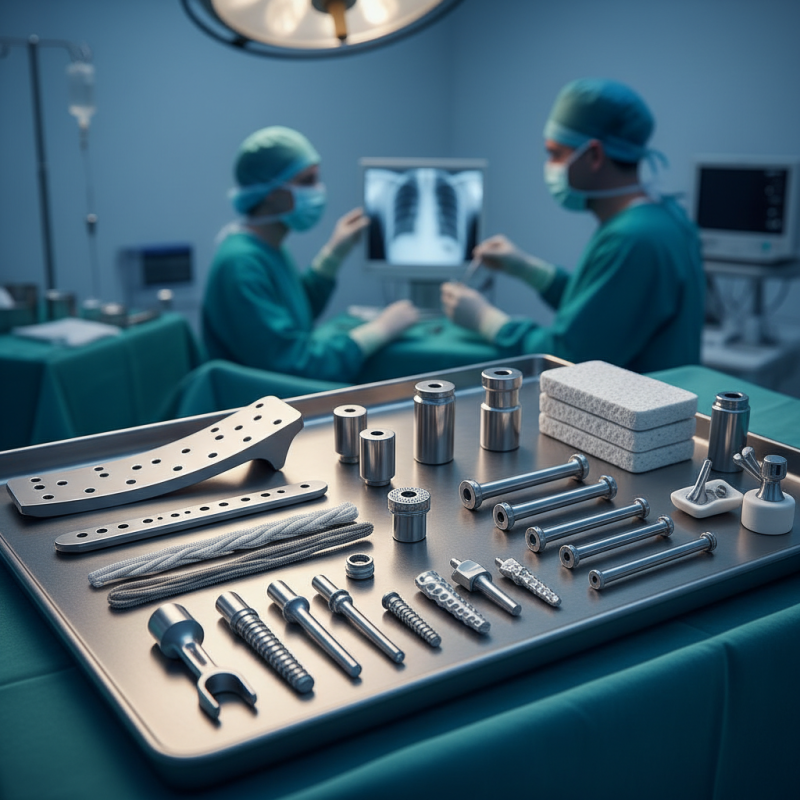
There are several types of orthopedic implants, including plates, screws, and rods. Plates are often used in fracture fixation. The choice of material, such as titanium or stainless steel, can affect biocompatibility and strength. The American Academy of Orthopaedic Surgeons notes that improper selection can lead to complications, such as non-union or infection. Screws offer stability in securing bone fragments. However, the specific design matters significantly to their functionality.

Not all implants guarantee success. Surgical nuances, patient-specific variables, and implant types need careful consideration. Some implants may not integrate well into certain anatomical structures, leading to challenges. Newer materials, like bioactive ceramics, show promise but may lack extensive long-term data. It prompts surgeons to remain vigilant in evaluating outcomes and adapting practices, ensuring optimized results for varied medical scenarios.

Assessing Patient Needs and Conditions for Implant Selection

Choosing the right orthopedic implants is crucial for patient recovery. Understanding patient needs and medical conditions is the first step. Each patient brings unique factors to the table. Age, lifestyle, and activity level play significant roles.

When assessing conditions, consider bone density and overall health. For instance, a patient with osteoporosis might require different implants than a healthy individual. Surgeons must evaluate specific injuries. A fracture in an active athlete might need a more robust solution.

Communication with the patient enhances implant selection. Gather insights about their pain levels and daily activities. This can guide the decision-making process. It's also important to reflect on past choices and outcomes. Not every implant works perfectly for every patient. Adjusting strategies based on experiences can lead to better results in the long run.

How to Choose Orthopedic Implants for Various Medical Departments? - Assessing Patient Needs and Conditions for Implant Selection

Medical Department Common Conditions Implant Type Materials Used Patient Considerations
Orthopedic Surgery Fractures, Joint Replacement Total Knee Replacement Titanium, Polyethylene Age, Activity Level
Pediatric Orthopedics Growth Plate Injuries, Scoliosis Spinal Rods Stainless Steel, Titanium Growth Potential, Overall Health
Sports Medicine Ligament Tears, Cartilage Damage ACL Reconstruction Allograft, Autograft Activity Level, Recovery Goals
Geriatrics Osteoporosis, Hip Fractures Hip Replacement Ceramic, Polyethylene Bone Density, Mobility Needs
Trauma Surgery Complex Fractures, Trauma Intramedullary Nails Titanium, Stainless Steel Injury Severity, Comorbidities

Evaluating Material Options for Orthopedic Implants

When selecting materials for orthopedic implants, several factors need consideration. Biocompatibility and mechanical properties are paramount. According to the Journal of Orthopedic Research, materials like titanium and its alloys are often preferred due to their high strength-to-weight ratio and low corrosion.

Research indicates that titanium shows excellent integration with bone, which is crucial for long-term stability.

Stainless steel also remains a common choice due to its affordability and durability. However, it may not provide the same level of bone adherence as titanium. A report from the American Academy of Orthopedic Surgeons highlights that roughly 30% of patients with stainless steel implants experience complications related to material fatigue. This underscores the need for thorough evaluation of material properties in relation to specific patient needs.

Additionally, novel materials like bioactive ceramics offer exciting options, especially in load-bearing applications. There is growing evidence that these materials enhance bone growth and integration. However, their higher cost and limited clinical experience lead to skepticism among some practitioners. The balance between innovative materials and established options remains a crucial consideration in implant selection.

Relevant Factors for Choosing Implants in Specific Medical Departments

Choosing orthopedic implants requires careful consideration of various factors specific to each medical department. Surgeons must evaluate the patient's unique anatomy and medical history. For orthopedic surgery, implant longevity is crucial. Materials like titanium and cobalt-chromium are often preferred for their strength and biocompatibility. Understanding the weight-bearing demands of the patient's lifestyle can impact the selection process.

In neurosurgery, implants serve different purposes. Spinal implants must provide stability while minimizing pressure on nerves. The choice of implant also hinges on the fusion rate expected. Surgeons must balance rigid vs. flexible options based on individual patient needs. Some issues arise when assessing bone quality, as not all patients will accept traditional implants well.

In trauma surgery, the timing of the surgery can affect implant choice. An early intervention may require more stable devices, while a delayed operation might allow for less invasive methods. Variability in fracture patterns further complicates decisions. Understanding the dynamic nature of patient recovery is essential. Making the right choice is not always clear-cut. Each case requires thoughtful deliberation.

Choosing Orthopedic Implants by Medical Departments

Integrating Technology and Innovation in Implant Selection Processes

The integration of technology in the selection of orthopedic implants is reshaping medical practices. A report by Grand View Research highlights that the global orthopedic implant market was valued at approximately $53.61 billion in 2021 and is expected to expand at a compound annual growth rate (CAGR) of 4.4% from 2022 to 2030. This growth emphasizes the importance of using advanced technology for optimal implant selection.

Incorporating innovative software solutions can aid in analyzing patient data. Machine learning algorithms can predict the best implant types based on individual needs. This personalized approach is crucial for achieving better surgical outcomes. Studies show that patient-specific implants can lead to a 20% reduction in post-operative complications. However, reliance on technology presents challenges, such as data privacy concerns and costs of implementation.

3D printing technology is another tool worth considering. It allows for the production of customized implants that closely match an individual’s anatomy. This could improve compatibility and longevity of implants. Yet, it raises questions about material performance and long-term results. Continuous evaluation and improvement of newly adopted technologies are essential. The intersection of technology and medicine calls for ongoing reflection on their implications in practice.

FAQS

: What are orthopedic implants and their importance?

: Orthopedic implants are crucial for recovery and surgical effectiveness in various medical scenarios.

What types of orthopedic implants are available?

Common types include plates, screws, and rods, each serving unique purposes in surgical procedures.

How does material choice affect orthopedic implants?

Materials like titanium or stainless steel influence biocompatibility and strength, impacting recovery outcomes significantly.

What factors should be considered for implant selection?

Patient age, lifestyle, activity level, and specific injuries are vital for choosing the right implant.

How does communication with patients influence implant choices?

Understanding patient pain levels and daily activities aids in making informed decisions about implant selection.

Can technology improve orthopedic implant selection?

Yes, technology like machine learning can personalize implant choices, enhancing surgical outcomes and minimizing complications.

What role does 3D printing play in orthopedic implants?

3D printing enables custom implants that match anatomy, which may improve compatibility but requires careful evaluation.

Are all orthopedic implants successful for every patient?

No, some implants may not integrate well, highlighting the need for continuous reflection on past choices and outcomes.

What are the challenges of relying on technology for implant selection?

Data privacy concerns and high implementation costs can limit the effective use of technology in implant selection processes.

How can past experiences influence future implant selections?

Reflecting on previous outcomes can guide adjustments in strategies, potentially leading to improved patient results.

Conclusion

Choosing the right orthopedic implants is crucial for effective patient care across various medical departments. This involves understanding the different types of orthopedic implants available, assessing specific patient needs and conditions, and evaluating suitable material options that can enhance implant performance. Key factors to consider include the specific requirements of each medical department, such as trauma, spinal, or joint surgery, which can influence implant selection.

Integrating technology and innovation into the implant selection process is essential for improving outcomes. By adopting advanced techniques and materials, healthcare professionals can make informed decisions on how to choose orthopedic implants for different medical departments, ensuring optimal compatibility and effectiveness for individual patient scenarios.

Sophia

Sophia

Sophia is a dedicated marketing professional with an exceptional depth of knowledge about her company's products and services. With a keen understanding of market trends and customer needs, she crafts insightful blog posts that not only inform but also engage readers, enriching the company’s online......