Orthopedic implants play a crucial role in enhancing the quality of life for many patients. These devices, used in various surgical procedures, require rigorous testing and validation. Why do orthopedic implants need complete test reports? The answer lies in ensuring safety, efficacy, and long-term performance. Comprehensive test reports provide detailed insights into the materials, mechanics, and biological compatibility of implants.
Without complete test reports, there are significant risks. Inadequate testing can lead to complications, including implant failure or adverse reactions in patients. Manufacturers must adhere to strict testing protocols. Yet, inconsistencies and gaps often occur in reporting. Such shortcomings can compromise patient trust and health.
In a field driven by precision and innovation, complete test reports enhance reliability. They serve as a benchmark for both manufacturers and surgeons. Moreover, these reports help inform surgical decisions, ensuring that the best practices are followed. A commitment to thorough testing reflects a dedication to patient safety and well-being.
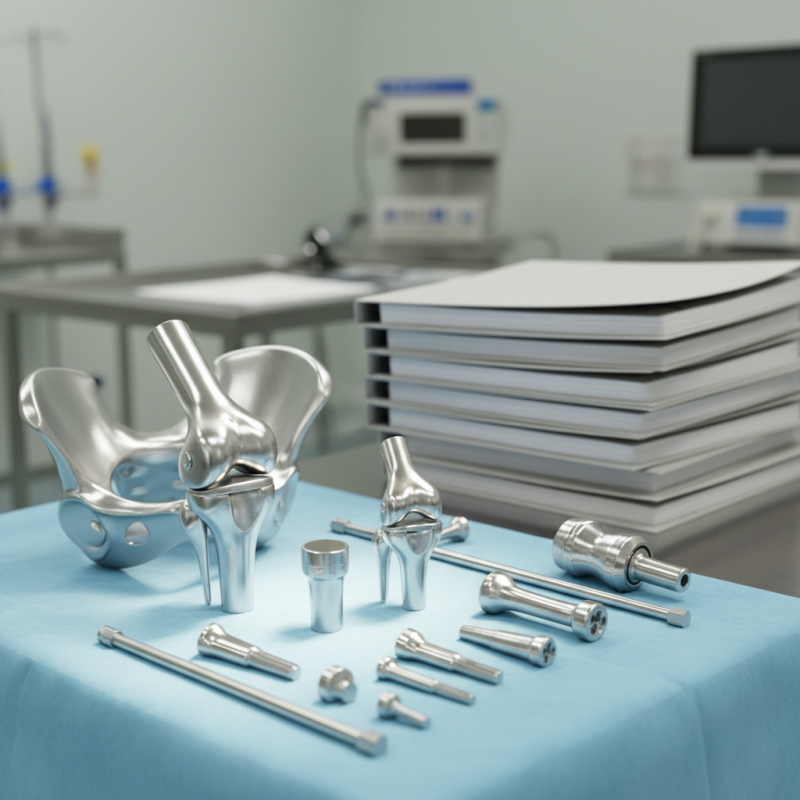
Comprehensive testing of orthopedic implants is crucial. They must withstand various stresses during use. According to the American Academy of Orthopaedic Surgeons (AAOS), nearly 1 million joint replacement surgeries occur annually in the U.S. Each implant faces challenges including wear and potential failure. Reliable testing ensures these devices can function effectively over time.
Validation by rigorous testing helps reduce complications. For example, data shows that over 10% of joint implants fail within ten years without proper evaluation. Comprehensive testing assesses not just strength but also biocompatibility. A study indicated that only 30% of implants meet the required safety standards in initial tests. This low rate highlights the urgency for improvements.
Relying solely on initial performance can be misleading. Long-term studies reveal that some implants deteriorate faster than expected. The need for ongoing evaluation is evident. Such scrutiny can lead to life-saving advancements in orthopedic care. With a growing aging population, ensuring the safety of orthopedic devices is a collective responsibility. Failing to prioritize thorough testing could have serious repercussions.
Complete test reports are vital in evaluating orthopedic implants. These reports ensure that devices meet regulatory standards and are safe for patients. Evaluators look for specific components that make these reports comprehensive.
One key element is material characterization. Understanding the properties of the materials used can identify potential weaknesses. Reports should include mechanical testing data. This data reveals how implants perform under stress. Durability tests are also critical. They help predict the lifespan of implants in real-world conditions.
Another essential component is biocompatibility testing. This assesses how implants interact with the body. Reports lacking this information may raise concerns. Testing protocols should follow recognized standards. Inconsistencies in reporting can lead to questions. The presence of detailed clinical data enhances credibility. However, not all reports achieve this level of completeness. Regular audits of reporting practices can help improve quality.
In the orthopedic implant industry, adherence to regulatory standards is crucial. These standards ensure that implants are safe and effective for patients. Testing is a critical component of this process. Complete test reports provide data that regulators and manufacturers can trust. They include details on performance, durability, and biocompatibility. Any gaps in testing can lead to serious risks.
Moreover, compliance with regulations is not just about avoiding penalties. It is about ensuring quality in healthcare. Regulators require thorough documentation of all tests performed. This includes how tests were conducted, who conducted them, and the outcomes. Incomplete or poorly presented reports can raise red flags. Such issues might delay approvals and impact patient safety.
While many manufacturers strive for compliance, challenges remain. The complexity of tests can lead to oversight. Resources might be limited, resulting in rushed evaluations. Regular audits of testing processes can help address these concerns. Continuous improvement in testing protocols is essential. Engaging with experts can enhance the reliability of test reports.
This bar chart illustrates the importance level of various testing categories essential for orthopedic implants. Each category is rated on a scale from 1 to 10, highlighting the critical need for complete test reports to ensure safety and compliance.
Comprehensive test reports play a crucial role in the orthopedic implant industry. These documents provide essential data on how implants respond to various stresses and conditions. For instance, according to a 2022 report by the International Society for Orthopedic Research, nearly 25% of orthopedic implants fail due to insufficient testing. This statistic highlights the critical need for thorough evaluations to ensure patient safety.
Test reports help predict long-term outcomes for patients. They assess factors like durability, biocompatibility, and resistance to infection. The ASTM International standards indicate that implants must undergo rigorous testing to achieve a minimum fatigue life of 1 million cycles. Without adequate reports, surgeons might face unexpected complications. A significant number of revision surgeries stem from poorly assessed implants.
Yet, some manufacturers rush the testing phase, leading to potential risks. A survey by the Orthopedic Device Association revealed that 15% of surveyed practitioners encountered issues linked to inadequate testing. Frighteningly, 4% reported serious adverse events in patients. These statistics serve as reminders that the integrity of test reports is foundational to safe and effective orthopedic solutions.
Incomplete testing of orthopedic implants can lead to catastrophic outcomes. A report from the National Institute of Standards and Technology revealed that nearly 30% of failures in orthopedic devices are linked to inadequate testing. In some cases, implants that were supposed to support weight failed prematurely, resulting in severe injuries for patients. These failures often stem from oversight in material testing, mechanical testing, or fatigue analysis.
One notable case involved a hip implant that experienced unexplained fractures after a few months of use. Investigations revealed that the implant underwent limited durability testing. The device was designed to withstand forces over time, but the tests failed to mimic real-life conditions accurately. As a result, multiple patients faced repeat surgeries, leading to increased healthcare costs and psychological trauma.
Moreover, a study published in the Journal of Biomedical Engineering found that 45% of recalled orthopedic implants were due to insufficient pre-market evaluation. This highlights the critical need for comprehensive testing. Gaps in testing protocols can compromise patient safety and erode trust in medical devices. Orthopedic manufacturers must prioritize rigorous testing to ensure device reliability and performance in clinical settings.
: Complete test reports ensure orthopedic implants meet safety standards. They provide critical information for patient safety.
Material characterization is essential. It helps identify potential weaknesses in the materials used for implants.
Mechanical testing shows implant performance under stress. Durability tests predict implant lifespan in real-world conditions.
Biocompatibility testing assesses how implants interact with the body. Lack of this information can raise serious concerns.
Reports without clinical data may lack credibility. Incomplete information can lead to safety questions.
Incomplete testing can lead to device failures. These failures may cause severe injuries and repeat surgeries.
Regular audits of testing practices can improve report quality. They ensure adherence to recognized standards.
Not all reports achieve full completeness. Oversights in testing protocols can compromise patient safety.
Many recalls are due to insufficient pre-market evaluation. It highlights the need for thorough testing processes.
Implant failures can lead to increased healthcare costs and psychological trauma. They affect patients' trust in medical devices.
Complete test reports are crucial for orthopedic implants as they ensure thorough evaluation and compliance with regulatory standards, thereby enhancing patient safety and outcomes. These reports encompass key components such as material properties, mechanical testing, and biocompatibility assessments, which collectively contribute to a comprehensive understanding of an implant's performance.
Incomplete testing can lead to significant failures, as illustrated by various case studies that highlight the consequences of substandard evaluations. Thus, the question arises: why do orthopedic implants need complete test reports? The answer lies in the imperative to uphold safety standards and ensure reliable performance, ultimately protecting patient health and ensuring successful surgical outcomes.

Nipa Orthopedic Implants