In the healthcare sector, efficient procurement processes are vital for surgical success. Understanding how to plan annual procurement for orthopedic implants is crucial for hospitals and clinics. These implants significantly impact patient outcomes and operational costs. With increasing demand for joint replacements and advancements in technology, a strategic approach is essential.
Effective procurement requires a deep understanding of current trends and surgeon preferences. Collaborating with orthopedic specialists helps gather insights about implant choices. It's important to assess past purchasing data, note what worked, and identify areas for improvement. Planning must involve stakeholders from various departments to ensure all needs are met.
As we navigate this complex task, reflective practices are necessary. While many hospitals excel in procurement, others may overlook critical factors like supply chain disruptions. Emphasizing reliability in supplier relationships can mitigate these risks. Ultimately, a comprehensive strategy will enhance patient care and foster operational efficiency.
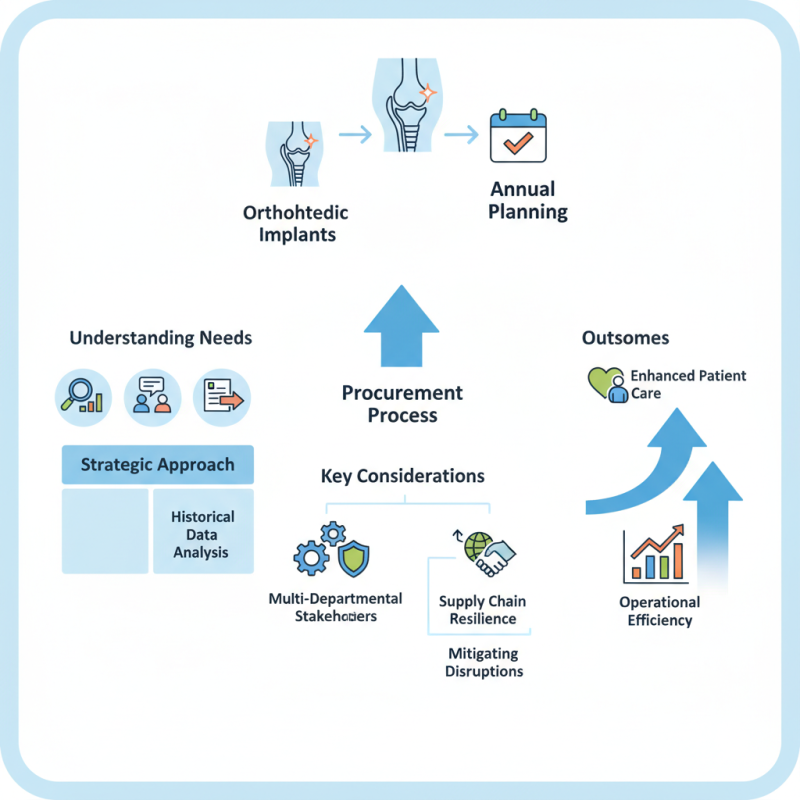
Annual procurement plays a crucial role in the orthopedic implant industry. Efficient planning ensures availability when demand peaks. According to the Orthopedic Implant Market Analysis, global sales are projected to reach $57.6 billion by 2025, emphasizing the need for effective strategies now.
One key factor is forecasting demand accurately. Hospitals must analyze historical data to predict future needs. Employing advanced analytics can improve these forecasts. Understanding the local and global market trends will also guide procurement decisions. Collaboration with suppliers can build flexibility in orders and mitigate delays.
Tip: Regularly review supplier performance to ensure reliability. This can help identify potential issues early on.
Additionally, cross-functional communication among teams is vital. Engaging finance, surgery departments, and supply chain professionals promotes alignment. This collaborative approach reduces costs and streamlines processes. An integrated system for sharing information can lead to smarter buying decisions.
Tip: Conduct quarterly procurement reviews. This helps refine strategies based on recent data. Being adaptable in this evolving market can ultimately enhance efficiency.
: Hospitals must analyze patient demographics and conditions needing implants. This understanding informs their procurement strategy.
Orthopedic procedures have increased by 25% over the past decade, indicating rising demand for implants.
Monitoring surgical volumes helps identify which implants are frequently used. This data aids in making informed procurement decisions.
Inconsistent ordering can lead to excess inventory of certain implants. This situation ties up unnecessary capital.
Engaging clinical teams allows for feedback on preferred products. Their insights can lead to better-aligned orders.
Clear metrics that align with procurement objectives must be established. These metrics guide evaluations of vendor performance.
Cross-functional teams provide diverse perspectives. This collaboration enhances the assessment of procurement outcomes.
Flexibility in approach is vital. Strategies must be adjusted as new challenges arise, ensuring effective responses.
Analyzing past outcomes reveals why certain decisions failed. Such reflections can guide better future procurement choices.
Emphasizing a culture of learning encourages documentation of successes and failures. This knowledge fosters continuous improvement efforts.
Effective planning for annual procurement of orthopedic implants is crucial for healthcare providers to ensure that they meet patient needs while managing costs. To begin with, it is essential to understand the importance of annual procurement and how it impacts patient care and hospital operations. Identifying specific needs and assessing usage trends help in creating an accurate demand forecast, allowing for more informed decision-making.
Budgeting and financing strategies play a significant role in optimizing procurement activities, ensuring that necessary funds are allocated appropriately. Establishing strong supplier relationships is vital for negotiating better terms and maintaining a reliable supply chain. Additionally, evaluating vendor performance ensures that the implants procured meet quality standards and enhance clinical outcomes. Finally, implementing a structured monitoring and review process enables organizations to assess procurement outcomes effectively, thus refining future strategies. In summary, knowing how to plan annual procurement for orthopedic implants involves a comprehensive approach that balances clinical needs with financial considerations while fostering productive supplier partnerships.

 Nipa Orthopedic Implants