In the evolving landscape of orthopedic implants, understanding what affects the delivery stability of orthopedic implants is crucial. Dr. Emily Chen, a renowned orthopedic surgeon, emphasizes, "The quality of implant delivery directly influences the patient's recovery journey." Her insights underline the importance of various factors that contribute to this stability.
Many elements play a role in ensuring that orthopedic implants are correctly delivered. Material composition, manufacturing precision, and surgical techniques are all pivotal. Each factor can affect how well an implant integrates with the bone and tissue. Notably, the environment in which the implant is placed can also impact its performance.
However, challenges persist in achieving optimal delivery stability. Variations in surgical approaches and patient anatomy often complicate the process. It raises questions about standardization and adaptability in practices. As the industry seeks to refine techniques, continuous research is essential to enhance effectiveness. Ultimately, understanding what affects the delivery stability of orthopedic implants remains a dynamic and complex field.
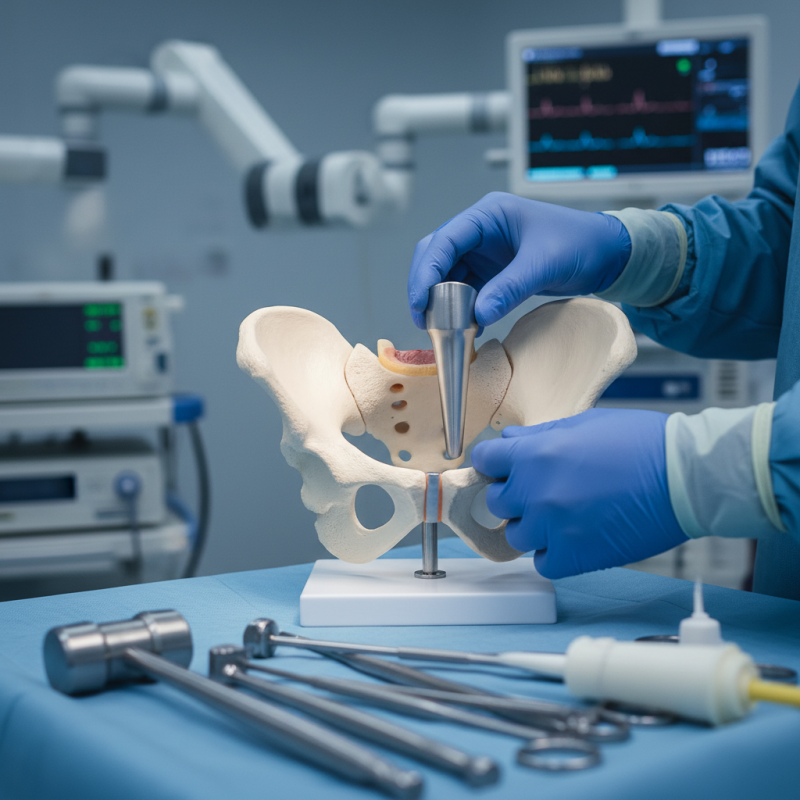
When selecting materials for orthopedic implants, several factors must be considered. The biocompatibility of materials is crucial, as they must interact well with bone and tissue. Titanium and cobalt-chromium alloys are popular choices due to their strength and corrosion resistance. However, these materials may cause allergic reactions in some patients, leading to complications. Understanding the patient's medical history is vital for avoiding such issues.
Mechanical properties play a critical role in the performance of implants. The material must endure significant stresses without failure. The stiffness of the implant should closely match that of the surrounding bone to prevent stress shielding. However, achieving this balance can be tricky. A material that is too stiff can lead to bone loss, while one that is too flexible may not support the joint properly.
**Tips:** Always consider the patient's lifestyle and activity level when choosing implant materials. Engaging in a discussion with orthopedic surgeons helps clarify the best options based on individual needs. Continuous research in biomaterials may soon introduce innovative solutions, but the current standards remain essential. Stay updated on advancements to ensure the best outcomes for patients.
| Material Type | Mechanical Properties | Biocompatibility | Corrosion Resistance | Cost | Delivery Stability Rating |
|---|---|---|---|---|---|
| Titanium Alloys | Excellent | High | Excellent | High | 8/10 |
| Cobalt Chrome | Very Good | Moderate | Good | Medium | 7/10 |
| Polyether Ether Ketone (PEEK) | Good | High | Excellent | High | 9/10 |
| Stainless Steel | Good | Moderate | Moderate | Low | 5/10 |
: The manufacturing process, material choice, surgical techniques, and patient-specific variables all play significant roles in implant stability.
About 25% of implant failures are due to manufacturing defects, affecting strength and durability.
Precision ensures the correct implementation of forging, machining, and surface treatment, crucial for the implant's success.
Titanium and cobalt-chromium alloys are preferred for their strength and compatibility with the human body.
Surgical techniques can impact implant stability, with minimally invasive methods linked to fewer complications than traditional surgeries.
Factors like age and bone density significantly affect how well an implant integrates with the body.
Conditions like osteoporosis or diabetes can compromise bone health, leading to complications during and after delivery.
A surgeon’s experience and technique can greatly influence implant positioning and long-term performance.
Yes, variances in training and protocols among surgical teams can lead to inconsistent outcomes.
A comprehensive assessment helps identify factors that could impact the effectiveness of the surgery and implant success.
The delivery stability of orthopedic implants is influenced by a multitude of factors that are crucial for ensuring successful surgical outcomes. Key among these is the selection of appropriate materials, as different materials possess varying mechanical properties that can significantly affect implant performance during delivery. Additionally, the manufacturing processes used to create these implants play a vital role in determining their overall stability, impacting how well they can be positioned and anchored within the body.
Surgical techniques also contribute to delivery performance, as the methods employed by surgeons can either enhance or compromise the stability of the implant at the time of deployment. Moreover, patient-specific variables, such as anatomy and physiological responses, further complicate the delivery process. Understanding what affects the delivery stability of orthopedic implants is essential for improving surgical practices and patient outcomes in orthopedic procedures.

 Nipa Orthopedic Implants