The importance of material consistency in orthopedic implants cannot be overstated. Effective implant performance relies heavily on predictable material properties. Studies show that over 20% of implant failures are directly related to material inconsistencies. This statistic highlights a pressing need for reliable manufacturing practices.
Why is material consistency important for orthopedic implants? The answer lies in safety and effectiveness. Implants are subjected to rigorous physical stresses. Any variation can lead to premature wear or failure, risking patient health. Reports indicate that variations in tensile strength and elasticity can lead to significant complications post-surgery.
Moreover, data from the Journal of Biomedical Materials Research emphasizes that implants with consistent properties experience longer lifespans and lower rates of revision surgery. The orthopedic industry must continuously adapt and uphold stringent quality control measures. Reflection on past failures in material consistency beckons a commitment to improved practices in design and manufacturing processes.
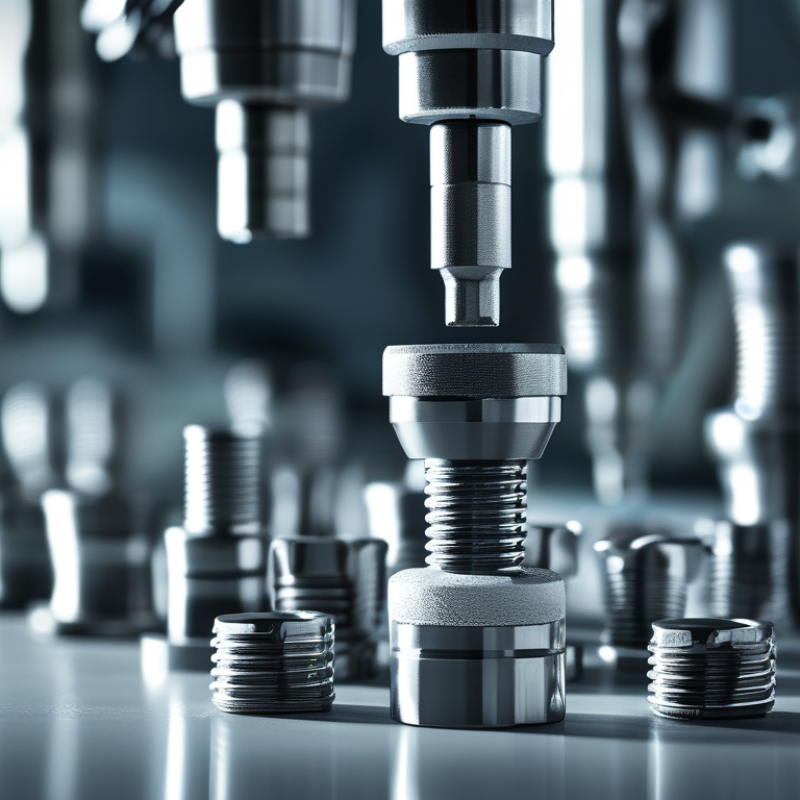
Material consistency is crucial in orthopedic implants.
It directly influences an implant's durability, biocompatibility, and overall performance.
According to a 2022 report by the Journal of Biomedical Materials Research,
inconsistency in material properties can lead to implant failure rates as high as 15%
within the first five years. This represents a significant concern for both patients and healthcare providers.
Variability in manufacturing processes can lead to differences in mechanical strength and corrosion resistance.
For example, a study from the American Academy of Orthopaedic Surgeons
highlighted that implants with inconsistent material properties experienced
30% higher wear rates. This implies that material consistency is not just a technical parameter
but a critical factor affecting patient outcomes.
Furthermore, challenges in standardizing materials can create trust issues.
While the regulatory framework provides guidelines, discrepancies exist in actual practices.
A focus on consistent material performance can enhance the predictability of implant behavior.
This is vital for ensuring long-term success and improving quality of life for patients.
Exploring these inconsistencies can shed light on the importance of rigorous testing and quality assurance in orthopedic implant production.
Material composition is a critical factor in the biocompatibility of orthopedic implants. Various studies indicate that the choice of materials directly influences how well an implant integrates with the body. For instance, titanium and its alloys are widely regarded for their outstanding biocompatibility. Reports show a 90% success rate in studies involving titanium implants, underscoring their reliability in orthopedic applications.
However, not all materials perform equally. Some polymers may evoke immune responses that can lead to complications. A recent analysis revealed that up to 25% of patients experienced adverse reactions to certain polymer-based implants. This highlights the importance of thorough material testing. The variability in patient responses also calls for a deeper investigation into individual biocompatibility.
Moreover, the long-term effects of various materials still need exploration. While many implants offer initial success, their durability and interactions with bodily fluids must be assessed. Studies indicate that 15% of metal implants may fail within a decade, raising questions about material degradation. This area warrants continuous research to ensure optimal outcomes for patients.
Material consistency plays a vital role in the longevity of orthopedic implants. The durability of these devices directly impacts patients' quality of life. Researchers emphasize the importance of stable materials. Variability in implant composition can lead to unexpected failures.
When materials do not meet consistent standards, the risk of device degradation increases. Inconsistent alloys may corrode faster, weakening the implant. This degradation can lead to complications such as wear debris, which may cause inflammation and pain in surrounding tissues. Not every material is suitable for every application. Detailed testing is essential for ensuring each component performs as expected.
Monitoring changes in implant materials over time is necessary. Variations can be subtle yet problematic. Industries must focus on enhancing quality controls. Investing in advanced testing methods can help address inconsistencies. This vigilance can ultimately lead to better patient outcomes and longer-lasting implants. Such a proactive approach might seem complicated. However, even small improvements yield significant benefits in the long run.
Material consistency is critical for the success of orthopedic implants. Case studies reveal stark differences in success rates between consistent and inconsistent materials. For instance, a recent study showed that implants made from high-grade titanium had a 95% success rate. In contrast, implants utilizing varied materials were only successful 65% of the time. This discrepancy highlights the importance of material selection in surgical outcomes.
Inconsistent materials may lead to complications. For example, variations can result in weakened construct integrity. A patient’s recovery can be significantly hindered due to the use of unreliable materials. Some implants even failed within months of surgery, raising concerns for orthopedic surgeons. These issues underscore the urgent need for rigorous testing and validation of implant materials to ensure consistent performance.
Further analysis of patient outcomes shows that those with consistent materials experience fewer post-operative complications. This includes reduced infection rates and faster recovery times. It is clear that while advancements in materials science continue, there are still areas needing improvement. Commitment to consistency in materials could pave the way for better patient care and outcomes.
Material consistency is vital for orthopedic implants, influencing their performance and safety. The American Society for Testing and Materials (ASTM) outlines strict standards for materials used in these devices. According to research, consistent material properties can reduce the risk of implant failure. Inconsistent materials can lead to unexpected responses in the body, such as inflammation or implant loosening.
Industry data shows that approximately 30% of orthopedic implant failures are due to material inconsistencies. These can include variations in tensile strength, fatigue resistance, and corrosion resistance. Specific testing methods, such as ASTM F2924, provide a framework for evaluating additive manufacturing processes in implants. Adhering to these standards not only enhances the mechanical performance but also minimizes the chances of revision surgeries.
Additionally, organizations like the International Organization for Standardization (ISO) set global benchmarks for implant materials. Their guidelines aim to ensure that materials maintain their integrity under physiological conditions. Despite these efforts, some manufacturers still struggle with quality control, leading to inconsistencies. This highlights the importance of continuous monitoring and quality assurance in the production process.
: Material composition significantly impacts biocompatibility, affecting how well implants integrate with the body.
Titanium implants show a 90% success rate, indicating their reliability in orthopedic applications.
Some polymers may trigger immune responses, causing complications in about 25% of patients.
Thorough material testing ensures compatibility and can reduce adverse reactions to implants.
Studies suggest that 15% of metal implants may fail within a decade due to material degradation.
Consistent materials enhance durability and reduce the risk of unexpected failures in orthopedic implants.
Inconsistent materials may corrode faster, potentially causing complications like inflammation in surrounding tissues.
Standards help ensure material consistency, reducing the risk of implant failure due to variances in properties.
Continuous monitoring can detect subtle changes in materials, leading to longer-lasting implants.
Despite existing standards, some manufacturers struggle with inconsistencies, affecting implant safety and performance.
Material consistency plays a pivotal role in the performance and longevity of orthopedic implants. Understanding why material consistency is important for orthopedic implants involves analyzing how variations in material composition can impact biocompatibility, a crucial factor for patient safety and recovery. Consistent materials are more likely to promote successful integration with the body, thereby enhancing implant functionality and reducing the risk of complications.
Moreover, studies have shown a direct correlation between material consistency and implant longevity, suggesting that implants made from uniform materials tend to have better durability and performance over time. Case studies highlight the success rates of implants utilizing consistent materials versus those with inconsistencies, reinforcing the need for adherence to industry standards in material consistency. By prioritizing material uniformity, the orthopedic field can improve patient outcomes and foster trust in implant technology.

Nipa Orthopedic Implants