Why Do Orthopedic Implants Need Professional Packaging?

Time:2026-07-04 Author:Sienna
0%

In the field of orthopedic surgery, the importance of packaging cannot be overstated. As Dr. James Thompson, a leading expert in orthopedic implant technology, states, "The integrity of the implant packaging directly affects patient safety." This highlights a crucial aspect of healthcare that is often overlooked: the role of professional packaging in maintaining the sterility and reliability of implants.

Orthopedic implants are often vulnerable to contamination. Any breach in packaging can compromise the sterility of an implant, leading to severe complications in surgeries. Professional packaging safeguards against physical damage and microbial contamination. It ensures that the implants reach healthcare providers in a sterile and intact state.

Why do orthopedic implants require professional packaging? The answer lies in their critical role in patient outcomes. Each implant is designed for specific procedures; they must arrive perfectly sterile and ready for use. As technology evolves, so do the demands for packaging. Integrating cutting-edge materials and techniques can enhance safety. However, the industry still faces challenges in standardization and quality control. These factors underline the ongoing need for improvement in professional packaging practices.
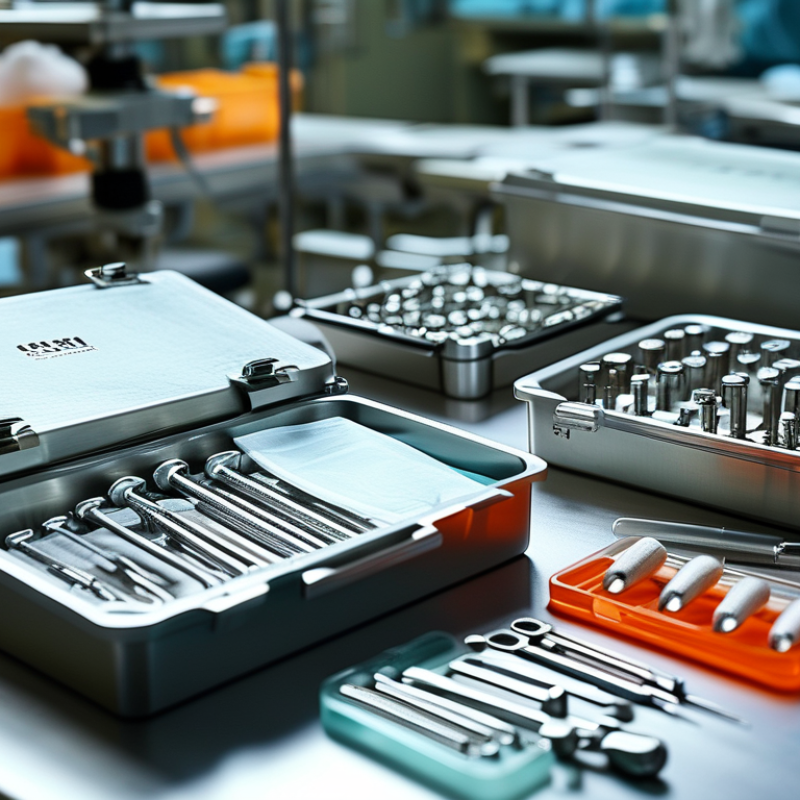
Why Do Orthopedic Implants Need Professional Packaging?

Importance of Professional Packaging for Orthopedic Implants

Professional packaging for orthopedic implants is crucial for several reasons. First, it ensures the safety and sterility of the products. Implants must remain uncontaminated until they are ready for use in surgeries. This packaging acts as a barrier against bacteria and other harmful agents. A defect in packaging can lead to serious consequences for patients.


Moreover, professional packaging provides essential information for healthcare providers. Clear labeling helps in identifying the product and its specifications. It is vital for maintaining accurate inventory. Misplacing an implant can delay a surgery. Therefore, attention to detail in packaging can prevent costly mistakes.


However, packaging design is not always perfect. Some packages may be difficult to open, causing frustration for medical staff. This highlights the need for continual improvement in packaging solutions. Manufacturers must listen to feedback from users. Striking a balance between safety, usability, and cost is a challenging task. Professional packaging is more than just a protective layer; it is a commitment to patient care and safety.

Standards and Regulations for Packaging Medical Devices

Packaging for orthopedic implants is not just a formality; it is a critical aspect that ensures safety and compliance. Medical devices must uphold rigorous standards to protect patients. The FDA and ISO set stringent guidelines that dictate the materials and processes used in packaging. These standards help maintain sterility, durability, and traceability throughout the device's lifecycle.

Proper packaging safeguards the integrity of the implants until they are ready for use. Failure to meet packaging regulations could lead to contamination or device failure during surgery. Therefore, professionals in the medical device industry must stay current with evolving regulations. Regular training and audits can help organizations remain compliant.

**Tips:** Always check for updates on regulatory guidelines. Make training a routine part of your packaging process. Engage with packaging professionals to explore advanced materials and techniques that could enhance safety and efficacy. Quality packaging not only protects devices but also reinforces trust in healthcare systems.

Orthopedic Implants Packaging - Key Requirements and Compliance Standards

This chart illustrates the importance levels of various aspects of professional packaging for orthopedic implants. Sterility and regulatory compliance are critical for ensuring patient safety and adherence to industry standards.

Protective Features in Packaging to Ensure Implant Integrity

Orthopedic implants require specialized packaging to maintain their integrity. Proper packaging protects these devices from contamination and physical damage during storage and transport. This is crucial for ensuring patient safety and successful surgical outcomes.

A robust packaging system includes features like shock absorption and moisture barriers. These elements safeguard the implants from environmental factors. Moreover, sterile barrier systems are vital to keep the implants free from pathogens. Effective packaging minimizes the risk of post-surgery infections.

Tips: Always inspect the packaging before use. Look for any signs of tampering or damage. Ensure seals are intact, as compromised packaging can jeopardize implant safety. Using a checklist can be helpful to verify integrity.

Another critical aspect is labeling. Clear and accurate information on the packaging enhances traceability and proper device identification. Mislabeling can lead to serious errors in the operating room. Consider implementing a second-check system to verify product details before surgery.

Impact of Packaging on Sterilization Processes and Shelf Life

Orthopedic implants play a crucial role in surgeries. However, to maintain their safety and effectiveness, proper packaging is essential. Packaging directly affects the sterilization processes. It needs to protect the implants from contaminants while allowing effective sterilization methods to work. A well-designed package ensures that the sterilization agent can reach every surface of the implant.

The shelf life of orthopedic implants heavily relies on their packaging. Quality packaging prevents moisture and oxygen exposure, reducing the risk of degradation. Over time, compromised packaging can lead to potential failures. It's concerning that many facilities overlook this aspect. They may prioritize cost over quality, which can have serious consequences.

Understanding the intricacies of packaging can help ensure patient safety. Professionals need to continually reassess their practices. This reflection can promote better standards in handling orthopedic implants. Investing in proper packaging is not just about compliance; it's about patient outcomes.

Why Do Orthopedic Implants Need Professional Packaging? - Impact of Packaging on Sterilization Processes and Shelf Life

Aspect Importance Impact on Shelf Life Sterilization Methods
Material Integrity Maintains the mechanical properties Increases reliability over time Ethylene oxide, steam sterilization
Moisture Control Prevents degradation of implants Extends shelf life up to 5 years Gamma radiation, dry heat
Barrier Properties Protects against contaminants Critical for maintaining sterility Radiation, chemical sterilization
Labeling and Traceability Ensures identification and tracking Affects the distribution cycle N/A
Compliance with Regulations Meets healthcare standards Essential for marketability N/A

Role of Packaging in Enhancing Patient Safety and Product Traceability

Orthopedic implants demand precise and secure packaging. This necessity stems from their critical role in patient safety and product traceability. When implants are inadequately packaged, there is a heightened risk of contamination or damage. According to the World Health Organization, more than 234 million surgical procedures are performed each year. Properly packaged implants can significantly reduce infection rates, ensuring better outcomes for patients.

Traceability is another vital aspect of orthopedic implant packaging. The U.S. FDA emphasizes the importance of tracking medical devices throughout their lifecycle. Effective packaging allows for easy identification and monitoring, making it simpler to respond in case of recalls. A study from the Institute of Medicine revealed that effective traceability can mitigate risks associated with medical errors, strengthening overall patient safety.

Tips for ensuring packaging effectiveness include regularly training staff on packaging protocols. Maintain a checklist for monitoring the packaging process to prevent errors. Additionally, review packaging materials regularly to ensure compliance with current safety standards. This proactive approach can significantly enhance both patient safety and the reliability of orthopedic implants. Understanding these fundamentals is crucial in the medical field, given the potential consequences of lapses in packaging practices.

FAQS

: Why is packaging vital for orthopedic implants?

: Packaging ensures safety, compliance, and protection from contamination or damage to implants.

What standards govern medical device packaging?

Multiple guidelines dictate the materials and processes, mainly set by regulatory agencies.

How does packaging affect sterilization?

Proper packaging allows sterilization agents to reach all implant surfaces, ensuring they remain free from contaminants.

What can happen if packaging regulations are not followed?

Non-compliance can lead to contamination, device failure, and serious risks during surgery.

How does packaging impact the shelf life of implants?

Quality packaging prevents exposure to moisture and oxygen, reducing degradation and ensuring longevity.

What should facilities focus on regarding packaging?

Facilities should prioritize quality over cost to ensure safety and effectiveness of the implants.

How can packaging enhance product traceability?

Effective packaging allows easy tracking, simplifying recall responses and mitigating medical error risks.

What training should staff receive about packaging?

Regular training on packaging protocols helps prevent errors and ensures compliance with safety standards.

Why is regular review of packaging materials important?

Frequent updates ensure that materials comply with current safety regulations and enhance reliability.

How can medical professionals improve patient outcomes?

Investing in robust packaging practices reflects a commitment to safety and elevates overall patient care.

Conclusion

Orthopedic implants play a crucial role in patient recovery and mobility, making their proper packaging essential. The question arises, "Why do orthopedic implants require professional packaging?" Professional packaging ensures compliance with stringent standards and regulations governing medical devices, which is vital for maintaining the integrity and safety of the implants. It features protective elements that shield the implants from physical damage and contamination, thus preserving their quality until they reach healthcare providers.

Furthermore, effective packaging significantly impacts sterilization processes and shelf life, ensuring that the implants remain viable for use when needed. It also enhances patient safety by reducing risks associated with defective products and plays a critical role in traceability, enabling healthcare providers to monitor implant history and recalls efficiently. In summary, professional packaging for orthopedic implants is not just a regulatory requirement but a pivotal factor in ensuring successful surgical outcomes and patient care.

Sienna

Sienna

Sienna is a skilled marketing professional with a deep expertise in our company’s core products and services. With a passion for innovation and detail, she plays a pivotal role in crafting insightful blog posts that not only highlight the unique features of our offerings but also provide valuable......