How Precision Manufacturing Shapes Orthopedic Implants in 2026

Time:2026-11-15 Author:Mason
0%

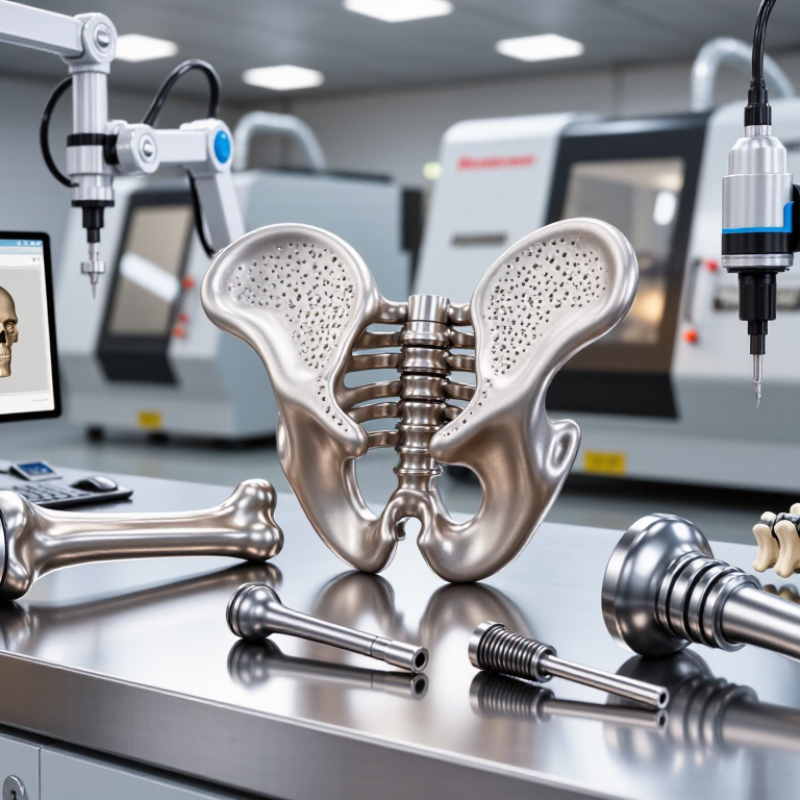
An orthopedic implant must work inside a body, where small variations can affect fit, movement, and long-term performance. In 2026, manufacturers are refining how they machine, finish, and inspect components such as hip stems, knee inserts, and spinal devices. Titanium alloys and cobalt-chromium remain common choices, while additive manufacturing can create porous surfaces designed to support bone integration. The process is exacting. A rough edge, inconsistent coating, or misplaced feature may matter.

Why is precision manufacturing important for orthopedic implants? It helps manufacturers produce components that match defined dimensions and surface requirements, while supporting repeatable quality checks. Computer-controlled machining, 3D printing, metrology, and documented inspections each contribute, but no single tool ensures a successful implant. Patient anatomy varies, and manufacturing accuracy cannot guarantee a clinical result. That distinction deserves attention.

A close-fitting hip component, for example, must meet its design specifications and pass appropriate inspection before use. Measurements, material records, and process controls help teams trace how a device was made. Yet precision is not perfection. Equipment can drift, designs can require revision, and inspection methods have limits. This article explores how manufacturing choices shape orthopedic implants in 2026, from digital design and material processing to quality assurance. It also considers where newer techniques offer practical value—and where careful validation remains essential. The goal is a clear, evidence-minded view of technology that affects real devices and real patients.
How Precision Manufacturing Shapes Orthopedic Implants in 2026

Materials and Design Requirements for Orthopedic Implants

Orthopedic implants in 2026 must balance strength, wear resistance, and compatibility with the body. Titanium alloys are valued for their strength and relatively low weight, while cobalt-chromium alloys can suit components exposed to repeated friction. Material choice depends on the implant’s location, expected loads, and contact with surrounding tissue. There is no universal best material. Small details matter.

Design requirements start with anatomy. A hip component must handle changing loads during walking, while a bone plate needs a profile that fits closely without irritating nearby tissue. Smooth transitions can reduce stress concentrations, and carefully controlled surface texture can support bone attachment where intended. However, roughness is not automatically beneficial; its effect depends on location and clinical purpose. Dimensions and surface features need consistent verification.

Tips: Review material certificates and inspect critical surfaces under magnification. Check dimensions against the approved design, especially at joints and fixation features. Ask how manufacturing variation is measured and documented. A useful design review also considers fatigue testing and sterilization effects. These checks take time, but skipping one can leave an uncomfortable question: will the implant perform as intended in real use?

Precision Manufacturing Technologies Used in Implant Production

Orthopedic implants depend on manufacturing methods that control shape, surface, and fit. Computer numerical control machining removes material from titanium or cobalt-chromium stock, often across several axes. This allows curved joint surfaces and narrow features to be cut with close dimensional control. Tool wear still matters. A worn cutter can leave subtle marks or alter a contact surface.

Additive manufacturing, especially laser powder bed fusion, builds components layer by layer from metal powder. It can create porous structures that encourage bone integration, while reducing material waste in some designs. The process also introduces risks: pores, residual stress, or variation between builds. Heat treatment and hot isostatic pressing may help address internal defects, but they do not replace inspection. Small details matter.

After forming, implants may undergo machining, polishing, cleaning, and surface treatment. Coordinate-measuring machines check dimensions; computed tomography can reveal some internal features, and surface instruments measure roughness. Each method has limits. A smooth reading at one point cannot describe every area of a complex implant. Manufacturing records, calibrated equipment, and documented process checks support traceability. Yet measurements alone do not guarantee clinical performance; design, material behavior, and testing must also be considered. One imperfect question remains: how much inspection is enough for every geometry?

How Precision Manufacturing Shapes Orthopedic Implants in 2026

Representative layer-thickness ranges for metal additive manufacturing processes used to produce orthopedic implant components.

Laser powder bed fusion (LPBF), electron beam melting (EBM), and directed energy deposition (DED) have different typical build-layer thicknesses. Actual ranges vary with equipment, material, and process settings. Layer thickness is not the same as finished-part dimensional tolerance; machining, surface finishing, and inspection also contribute to implant quality.

From Digital Models to Finished Orthopedic Implants

How Precision Manufacturing Shapes Orthopedic Implants in 2026

From Digital Models to Finished Orthopedic Implants

An orthopedic implant begins as a digital model shaped by imaging, anatomical measurements, and engineering requirements. Designers check dimensions, contact surfaces, and how the implant may fit with surrounding bone. The model then guides machining or additive manufacturing, where small changes can affect fit and finish. Precision matters. But a clean screen image does not guarantee a reliable physical part.

Tips: Review the model against the patient’s anatomy and the intended use. Check tolerances before production, not only after machining. Keep a clear record of design revisions and inspection results. Small details count.

During manufacturing, operators monitor dimensions, surface quality, and material behavior. A machined edge may need careful finishing; a rough surface can complicate cleaning or inspection. Each production route has limits, so teams should verify the finished component rather than assume the process stayed within specification. That takes discipline. Sometimes the model itself needs reconsideration. Digital tools can reveal problems, but they cannot replace sound engineering judgment or appropriate testing. In 2026, the path from model to implant remains a chain of decisions, checks, and occasional corrections.

Quality Control and Regulatory Standards in 2026

In 2026, quality control for orthopedic implants begins long before final inspection. Teams review material certificates, supplier records, and machining parameters for each production lot. A titanium component may look flawless under bright light, yet a small surface defect can affect fatigue performance. Small details matter.

Dimensional checks compare critical features with approved drawings, while surface measurements help verify finish and contact areas. Measurement equipment needs calibration, and automated inspection systems need validation before their results can be trusted. Records should connect each implant to its materials, process history, inspection results, and any rework. Records must travel. That traceability supports investigations when a deviation appears months later.

Regulatory expectations differ across markets, so manufacturers need a quality system matched to the regions where devices are supplied. ISO 13485 and risk-management practices provide useful frameworks, but a certificate alone does not prove that every process is controlled. Process validation, supplier oversight, and documented corrective actions still matter. In 2026, digital records can make trends easier to spot, but only when data are accurate and access is controlled. No inspection plan is flawless. Teams should question recurring “acceptable” variation, especially when measurements sit near specification limits. That review can be uncomfortable, and sometimes it reveals gaps in the process rather than the product.

Effects on Clinical Performance and Patient Outcomes

In 2026, precision manufacturing influences how orthopedic implants fit, bear loads, and interact with surrounding tissue. Computer-guided machining and careful inspection can help keep dimensions consistent. A well-finished joint surface may reduce friction, while controlled porosity can support bone integration in some implant designs. Small differences matter. Yet precision alone does not guarantee a successful result.

Clinical performance also depends on surgical technique, implant selection, bone quality, and a patient’s health. Accurate components may support stable placement and predictable movement, but recovery varies. Pain relief and mobility should be assessed over time, not inferred from manufacturing data alone. The evidence has limits. Long-term follow-up remains important, and manufacturing improvements should be evaluated against real clinical outcomes.

Tips: Ask how an implant’s dimensions and surface features are checked, and whether those features suit the intended procedure. Discuss likely benefits and risks with a qualified clinician. A detail that looks impressive on a technical drawing may not matter equally to every patient. I’d be cautious about treating tighter tolerances as a substitute for thoughtful care.

FAQS

How is CNC machining used to make orthopedic implants?

It cuts titanium or cobalt-chromium stock across several axes. This can shape curved surfaces and narrow features. Tool wear can leave marks.

What can metal additive manufacturing create?

Laser powder bed fusion builds components layer by layer. It can form porous structures that may support bone integration. Results can vary between builds.

Why do implants receive heat treatment or hot isostatic pressing?

These processes may help address internal defects and residual stress. They do not replace inspection. Small details matter.

How are implant dimensions and surfaces checked?

Coordinate-measuring machines check dimensions. Computed tomography can reveal some internal features, while surface instruments measure roughness. Each method has limits.

Does a smooth surface reading describe the whole implant?

No. One reading covers only one point, not every curve or edge. I’d be cautious about treating it as the full picture.

Does precise manufacturing guarantee better clinical results?

No. Fit and surface features may matter, but surgical technique, bone quality, and patient health also affect outcomes. Precision alone is not enough.

How should recovery and implant performance be assessed?

Pain relief and mobility should be assessed over time. Manufacturing data alone cannot predict recovery. Long-term follow-up matters.

What should patients ask about an implant?

Ask how its dimensions and surface features are checked, and whether they suit the planned procedure. Discuss likely benefits and risks with a qualified clinician. A technical drawing can look impressive, yet not every detail matters equally.

Conclusion

Orthopedic implants must combine biocompatibility, strength, durability, and designs suited to individual anatomy and everyday movement. Precision manufacturing helps meet these demands by turning detailed digital models into components with carefully controlled shapes and surface features. Technologies such as computer-aided design, advanced machining, additive manufacturing, and finishing processes can support consistent production while allowing complex geometries to be made accurately. From initial modeling through fabrication, each step influences how well an implant fits and performs.

Why is precision manufacturing important for orthopedic implants? Small variations in dimensions or surface quality can affect fit, stability, wear, and the interaction between an implant and surrounding tissue. In 2026, quality control combines inspection, material verification, process monitoring, and documentation to help ensure products meet applicable regulatory standards. These measures support reliable clinical performance and may contribute to improved mobility, comfort, and long-term patient outcomes, while helping clinicians select implants that meet specific treatment needs.

Mason

Mason

Mason is a seasoned marketing professional with a deep expertise in the company's offerings and a passion for driving brand awareness. With a strong background in digital marketing strategies, he has an innate ability to connect with diverse audiences and effectively communicate product benefits.......