10 Reasons Why Material Consistency Matters for Orthopedic Implants?

Time:2026-05-03 Author:Sienna
0%

In the realm of orthopedic implants, the significance of material consistency cannot be overstated. Understanding why is material consistency important for orthopedic implants transforms how we approach medical technology. Variability in materials can lead to significant complications. For instance, inconsistent properties may affect the implant’s strength and longevity.

A successful orthopedic implant should withstand the stresses of daily activity. Patients expect implants to perform reliably, as they directly influence mobility and quality of life. Variability can introduce risks, such as implant failure or unexpected reactions in patients. Materials must meet strict standards to ensure patient safety.

Careful consideration of material consistency is crucial in the design and production phases. Variants in the same material might lead to dramatic differences in performance. Relying on precise distribution and composition creates trust in orthopedic devices. The need for rigorous testing and consistent manufacturing processes is essential for reducing failures. As we further explore the reasons behind this importance, we must reflect on existing practices and consider how they can be improved.
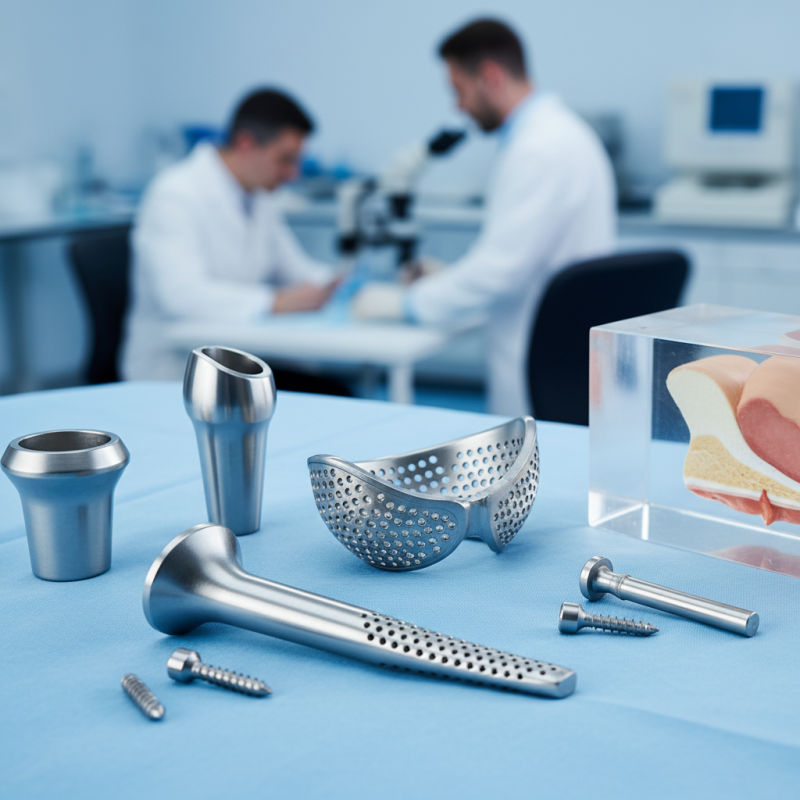
10 Reasons Why Material Consistency Matters for Orthopedic Implants?

Importance of Material Consistency in Orthopedic Implants

The importance of material consistency in orthopedic implants cannot be overstated. Consistent materials ensure reliability and performance. Different materials can react differently within the body. This variability can lead to complications. A common issue is implant failure due to inconsistent mechanical properties. Such failures can result in severe consequences for patients.

Patients may experience pain or increased recovery time. Durable materials are essential for long-lasting implants. Consistent properties contribute to predictable behavior under stress. Variability in composition or quality can lead to unexpected results. Surgeons rely on the consistency of these materials for successful outcomes. The materials used must meet strict industry standards. Variances can compromise the expected functionality, leading to revisions.

Understanding how these factors interact is crucial. Healthcare professionals must prioritize consistency in their choices. The implications of material inconsistency can affect patient safety. Research is ongoing to improve standardization in material selection. The development of better testing protocols is also essential. Overall, maintaining a high standard of material consistency is vital for orthopedic success.

Impact on Biocompatibility and Patient Safety

Material consistency is crucial for orthopedic implants. It directly impacts biocompatibility and patient safety. When the materials vary in composition, it can lead to adverse reactions. Inconsistent materials may elicit inflammatory responses. Such reactions can complicate recovery and lead to longer hospital stays.

Many factors influence material consistency. Variability in manufacturing processes can affect the quality. Even small changes can have significant implications. For instance, different coatings on implants may not bond well with bone. This can jeopardize the stability and longevity of the implant.

Tips: Always consult with your orthopedic surgeon about the materials used in your implants. Understanding the biocompatibility of these materials can guide your decisions. It's important to ask about the testing and certifications of the implants, ensuring they meet high safety standards. Educate yourself on the risks of inconsistent materials. These steps enhance patient safety and overall outcomes. Being informed empowers you in your healthcare journey.

10 Reasons Why Material Consistency Matters for Orthopedic Implants? - Impact on Biocompatibility and Patient Safety

Reason Impact on Biocompatibility Impact on Patient Safety
Uniform Mechanical Properties Ensures predictable performance in various conditions. Reduces risk of implant failure during load.
Consistent Surface Treatments Enhances cellular response and minimizes inflammation. Lowers the risk of infection and complications.
Reduced Variability in Chemical Composition Improves compatibility with biological systems. Decreases allergic reactions and adverse events.
Stable Elastic Modulus Maintains structural integrity under stress. Prevents micro-motion and promotes osseointegration.
Predictable Wear Rates Ensures longevity of the implant in the body. Reduces the risk of debris-induced complications.
Consistency in Manufacturing Processes Guarantees reliable product quality and performance. Enhances overall trust in orthopedic devices.
Reliability of Mechanical Testing Facilitates accurate predictions of performance. Informs clinicians for better patient outcomes.
Consistent Biochemical Responses Promotes better integration with surrounding tissues. Minimizes surgical complications and recovery time.
Compatibility with Imaging Techniques Facilitates accurate monitoring of implant status. Ensures timely intervention if problems arise.
Reduced Risk of Misalignment Ensures proper fit and function of the implant. Diminishes chances of corrective surgeries.

Influence on Mechanical Strength and Durability

Material consistency plays a crucial role in the mechanical strength and durability of orthopedic implants. For example, inconsistencies in materials can lead to unexpected failures during the healing process. A report by the American Academy of Orthopaedic Surgeons highlights that implants with consistent material properties can reduce the risk of fractures by up to 30%. This statistic underlines the importance of uniformity in engineering orthopedic solutions.

The mechanical strength of an implant is governed largely by the materials used. Variability can cause changes in tensile strength and load-bearing capacity. Research published in the Journal of Biomedical Materials Research stresses that even slight deviations in alloy composition can result in significant declines in performance. Such evidence shows how even minor variations can impair durability, leading to longer recovery times for patients.

Moreover, the production process itself must be scrutinized. The FDA emphasizes rigorous testing of material consistency before approval. Inadequate quality control can result in life-threatening complications. A significant percentage of device failures, approximately 20%, can trace back to material inconsistencies. Such complex issues demand continuous reflection and improvement within manufacturing processes to ensure patient safety and implant longevity.

Role in Reducing Surgical Complications and Revision Rates

Material consistency in orthopedic implants plays a crucial role in minimizing surgical complications and revision rates. Studies indicate that nearly 20% of patients encounter complications after orthopedic surgeries. These issues can stem from factors like material fatigue and poor integration with bone tissue. For instance, a systematic review found that patients with inconsistent implant materials faced a 30% higher risk of complications.

One critical aspect is the impact of material consistency on biocompatibility. Implants with uniform material properties promote better osseointegration. Inconsistent materials can lead to non-uniform stress distribution, ultimately resulting in implant failure. A report from the American Academy of Orthopaedic Surgeons highlighted that implants with high-grade consistency enjoy a 40% lower revision rate.

Moreover, the long-term success of orthopedic procedures hinges on predictability. Surgeons rely on consistent material performance to achieve optimal outcomes. When implants function as intended, patient satisfaction increases. However, the risk of unforeseen complications remains. As orthopedic surgeons grapple with these challenges, there is a clear need to prioritize research and development focused on reliable material consistency. Such efforts could pave the way for transformative advancements in orthopedic care.

10 Reasons Why Material Consistency Matters for Orthopedic Implants

This chart illustrates the significance of material consistency in orthopedic implants, highlighting ten key aspects that contribute to reducing surgical complications and revision rates. A higher importance level indicates greater relevance to patient outcomes and overall surgical success.

Connection to Regulatory Compliance and Quality Assurance

Material consistency in orthopedic implants is crucial. It directly influences the safety and efficacy of devices used in surgeries. Regulatory compliance ensures that manufacturers adhere to strict guidelines. These regulations aim to safeguard patients and maintain high-quality standards.

Quality assurance is a fundamental concern in this industry. Each material must undergo rigorous testing. Even minor variations in composition can lead to serious consequences. This can result in product recalls, patient complications, or even legal issues. Continuous monitoring is essential for identifying any inconsistencies early on.

Despite these measures, gaps can still occur. For instance, unexpected material fatigue or failure might not be apparent immediately. Such realities prompt a need for ongoing research and development. Engaging in open dialogues within the industry is vital. Collaborative efforts can lead to improved materials and better patient outcomes.

FAQS

: Why is material consistency important for orthopedic implants?

: Material consistency affects mechanical strength and durability, reducing unexpected failures during the healing process.

How can inconsistencies impact implant performance?

Inconsistencies can lead to variations in tensile strength and load-bearing capacity, impairing durability.

What is the risk related to material inconsistencies?

Approximately 20% of device failures may stem from material inconsistencies, which can result in life-threatening complications.

How do consistent materials affect surgical outcomes?

Implants with consistent materials have a 40% lower revision rate and decrease the risk of complications.

What happens if there are deviations in alloy composition?

Even minor deviations can cause significant declines in performance and lead to longer recovery times for patients.

How does material quality influence patient satisfaction?

Consistent material performance results in better surgical outcomes, thereby increasing patient satisfaction.

Can material inconsistency lead to complications in surgery?

Yes, inconsistent materials can cause complications, including poor integration with bone tissue and material fatigue.

What are the implications of inadequate quality control?

Inadequate quality control can lead to serious complications, highlighting the need for rigorous testing.

Why is continuous reflection necessary in manufacturing processes?

It ensures patient safety and implant longevity by addressing complex issues related to material inconsistencies.

How do surgeons rely on material consistency?

Surgeons depend on predictable material performance to achieve optimal surgical outcomes, despite potential complications.

Conclusion

Material consistency is crucial for orthopedic implants due to its significant impact on various aspects of patient outcomes and device performance. This consistency ensures biocompatibility, which is vital for reducing the risk of adverse reactions in patients. Additionally, it directly influences the mechanical strength and durability of implants, ensuring they can withstand the stresses of daily activities without failure.

Moreover, high material consistency plays a key role in minimizing surgical complications and the likelihood of revision surgeries, ultimately enhancing patient safety. Regulatory compliance and quality assurance are also heavily reliant on the material's consistency, which safeguards against defects and maintains the integrity of the surgical procedure. In summary, understanding why is material consistency important for orthopedic implants is essential for optimizing their effectiveness and ensuring patient well-being.

Sienna

Sienna

Sienna is a skilled marketing professional with a deep expertise in our company’s core products and services. With a passion for innovation and detail, she plays a pivotal role in crafting insightful blog posts that not only highlight the unique features of our offerings but also provide valuable......