Cervical fusion surgery is crucial for patients suffering from severe neck pain or instability. The use of cervical fusion cages is vital in these procedures. These devices help stabilize the spine, facilitating proper healing. According to a 2021 report from the Spine Journal, 85% of cervical fusion surgeries yield positive outcomes, making the selection of a suitable fusion cage critical.
Cervical fusion cages come in various designs and materials, impacting their effectiveness and compatibility with patient anatomy. Studies show that titanium cages, for instance, have a lower rate of complications compared to plastic alternatives. However, not all cages are created equal. Surgeons must consider factors such as graft type, cage geometry, and patient-specific conditions. A mismatch can lead to suboptimal results, emphasizing the need for informed selection.
Although many known products excel in performance, there's still room for improvement. Some cages may not integrate optimally with bone growth, occasionally resulting in reoperation. It's essential for healthcare professionals to stay updated on new technologies and advancements in cervical fusion cages. By doing so, they can enhance surgery effectiveness and patient satisfaction significantly.
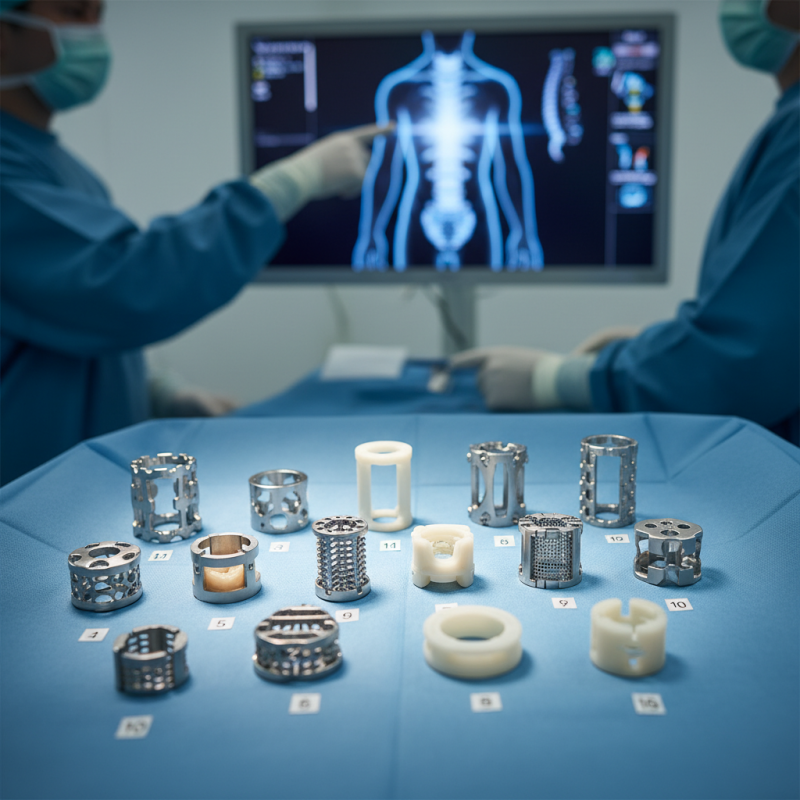
Understanding Cervical Fusion: Purpose and Benefits
Cervical fusion surgery is vital for those suffering from severe neck pain or instability. This procedure helps fuse vertebrae in the neck, providing stability and reducing pain. Many patients experience significant relief post-surgery, enhancing their overall quality of life. It is essential to understand the procedure and its benefits before making decisions.
Patients should know that recovery can vary. Some may heal quickly, while others need more time. It's crucial to have realistic expectations. Communicating openly with your healthcare provider is key. They can guide you on what to expect and help manage any concerns.
Tip: Maintain a positive mindset during recovery. Small achievements matter. Celebrate milestones, no matter how minor.
Consider your lifestyle when discussing the surgery. A
strong support system can influence your recovery. Surround yourself with caring individuals who can assist both emotionally and physically. This network can make the rehabilitation process smoother.
Tip: Plan post-surgery care in advance. Have meals prepared and help lined up. It makes a difference in your recovery journey.
Types of Cervical Fusion Cages: An Overview
Cervical fusion cages play a crucial role in spinal surgery. They provide the necessary support for the spinal column after the removal of a damaged disc. The effectiveness of these cages can vary based on material and design. Common types include titanium, PEEK, and bioactive glass. Each material offers unique benefits and drawbacks.
A report by the National Institutes of Health indicates that titanium cages have superior strength. They also exhibit low failure rates, particularly in long-term studies. However, titanium can be less radiolucent, making post-operative imaging challenging. On the other hand, PEEK cages allow for better visibility in X-rays. They promote fusion due to their biocompatibility but may lack the mechanical strength of titanium.
Another emerging type is bioactive glass. Research shows that it can enhance bone growth. However, it might not be suitable for all patients. Surgeons must carefully consider the patient’s condition and the type of fusion required. While cervical fusion cages have improved patient outcomes, ongoing research is essential to understand their long-term effects better. Proper selection and application of these devices remain critical in achieving successful surgical results.
Top 10 Best Cervical Fusion Cages for Effective Surgery
| Cage Type |
Material |
Size |
Weight |
Compatibility |
Key Features |
| Anterior Cervical Cage |
PEEK |
10mm x 20mm |
15g |
C4-C5, C5-C6 |
Radiolucent, Biocompatible |
| Posterior Cervical Cage |
Titanium |
8mm x 16mm |
20g |
C6-C7 |
Strength, X-ray visible |
| Expandable Cervical Cage |
PEEK |
9mm x 18mm |
18g |
C5-C6 |
Expandable, Easy insertion |
| Artificial Bone Graft Cage |
Calcium Phosphate |
12mm x 24mm |
25g |
C4-C5, C5-C6 |
Promotes osteointegration |
| Hybrid Cervical Cage |
PEEK and Titanium |
11mm x 21mm |
22g |
C6-C7 |
Best of both materials |
| Cervical Cage with Integrated Fixation |
Titanium |
13mm x 23mm |
24g |
C5-C6 |
Ease of use, Secure fixation |
| Cervical Interbody Fusion Cage |
Polyetheretherketone |
12mm x 22mm |
17g |
C4-C5 |
Highly biocompatible |
| Cervical Fusion Spacer |
Titanium Alloy |
10mm x 20mm |
19g |
C5-C6 |
Durable, Lightweight |
| Biomimetic Cervical Cage |
Bioactive Glass |
11mm x 20mm |
18g |
C4-C5 |
Stimulates bone growth |
| Cervical Cage with Rigid Design |
Stainless Steel |
9mm x 18mm |
21g |
C6-C7 |
Superior stability |
Top Criteria for Selecting a Cervical Fusion Cage
Selecting the right cervical fusion cage is crucial for successful surgery. Here are key criteria to consider.
Material type is vital. Titanium and PEEK are popular due to their strength and compatibility with the body. They offer durability and reduce the risk of rejection.
Another important factor is the cage's design. Expandable cages provide flexibility. They can adapt to the specific anatomy of different patients. This can enhance surgical outcomes and lead to faster recovery.
When choosing a cervical fusion cage, consider the size and shape. It should match the interbody space accurately. Ill-fitting cages can lead to complications. Always consult with a qualified medical professional to assess the best options based on individual needs.
Tips: Ensure any chosen device has a proven track record. Review clinical studies and results. It’s essential to trust the expertise of those involved in your care. Personalized approaches often yield better results.
Review of the Top 10 Cervical Fusion Cages Available
Cervical fusion surgery is a critical procedure for patients suffering from spinal issues. Choosing the right cervical fusion cage can significantly impact recovery and overall success. This review of the top 10 cervical fusion cages explores essential factors to consider.
Material choice matters. Many cages are made from titanium, which is strong and lightweight. Others use PEEK, a polymer that promotes better imaging. It's vital to consult with a surgeon to find the best option for your needs. Additionally, the design of the cage plays a role. A well-designed cage provides stability and allows for fusion.
Tips for selecting the right cage include understanding your condition and discussing all options with healthcare professionals. Considerations like the size and height of the cage are crucial. Not every cage suits every patient. A personalized approach often leads to a better outcome.
Recovery can vary. Some patients face challenges and may need to adjust their expectations. Engage in physical therapy as recommended. Monitoring progress regularly helps identify any issues early. Open communication with your doctor is vital throughout the recovery process. This way, you can ensure you're on the right path.
Post-Surgery Considerations and Recovery Tips for Patients
Cervical fusion surgery is a common procedure for patients suffering from neck pain and instability. After the operation, recovery is crucial for optimal healing. Data shows that nearly 90% of patients experience significant improvement in their symptoms. However, recovery can vary greatly among individuals.
Post-surgery, patients should focus on following their surgeon’s guidelines. Engaging in light activity is often encouraged. Yet, patients must avoid heavy lifting or strenuous activities for at least six to eight weeks. Pain management plays an essential role in recovery, with studies indicating that approximately 50% of patients require regular medication to manage their pain levels effectively.
Physical therapy can also aid recovery. Research highlights that starting physical therapy within a few weeks leads to better outcomes. However, some patients may struggle with adherence to therapy protocols. This inconsistency can hinder recovery progress. It’s vital for patients to communicate openly with their healthcare providers, addressing any challenges they might face during their rehabilitation journey.
FAQS
: They support the spinal column after removing a damaged disc.
Common materials include titanium, PEEK, and bioactive glass.
They have superior strength and low failure rates, especially in long-term studies.
They are less radiolucent, making post-operative imaging more challenging.
PEEK cages allow better visibility but may have less mechanical strength than titanium.
It can enhance bone growth but may not suit all patients.
The right material affects recovery and overall surgical success.
They should engage in physical therapy and monitor their progress.
Open communication helps identify issues early and ensures proper recovery.
Some may face challenges and need to adjust their expectations appropriately.
Conclusion
Cervical Fusion Cages play a crucial role in the surgical treatment of spinal disorders, particularly for stabilizing the cervical spine after discectomy or other invasive procedures. These devices are designed to facilitate bone fusion, providing both structural support and promoting healing, thus alleviating pain and restoring functionality. The selection of an appropriate cervical fusion cage is vital and should consider factors such as material composition, design, and biomechanical properties to ensure optimal surgical outcomes.
In a comprehensive review of the top cervical fusion cages, various models are evaluated based on their effectiveness, ease of implantation, and patient outcomes. Post-surgery, patients must adhere to specific recovery protocols, including physical therapy and regular follow-ups, to enhance healing and prevent complications. Understanding the purpose and benefits of cervical fusion cages, alongside informed choices and effective post-operative care, is essential for achieving the best results in spinal health.

 Nipa Orthopedic Implants