In the competitive world of hospital procurement, orthopedic implants hold a significant edge. Understanding what makes orthopedic implants suitable for hospital tender projects is essential for decision-makers. Several key factors drive their popularity. Orthopedic implants often demonstrate high performance and reliability, essential for surgical success. Hospitals seek products that deliver quality outcomes while minimizing complications.
The adherence to regulatory standards adds to the credibility of these implants. Manufacturers often invest in rigorous testing, which builds trust among healthcare providers. However, not all orthopedic implants meet the highest standards. Some may lack adequate research backing or fail to pass all quality controls. This variability requires careful consideration during tender evaluations.
Cost-effectiveness is another compelling reason. Effective implants can reduce overall healthcare costs by preventing complications and repeat surgeries. Yet, a focus on cost alone can undermine quality. Hospitals must strike a balance; investing in more durable, effective implants can be financially beneficial in the long run. Policymakers need to remember that choosing the right implant is vital for both patient outcomes and hospital reputation.
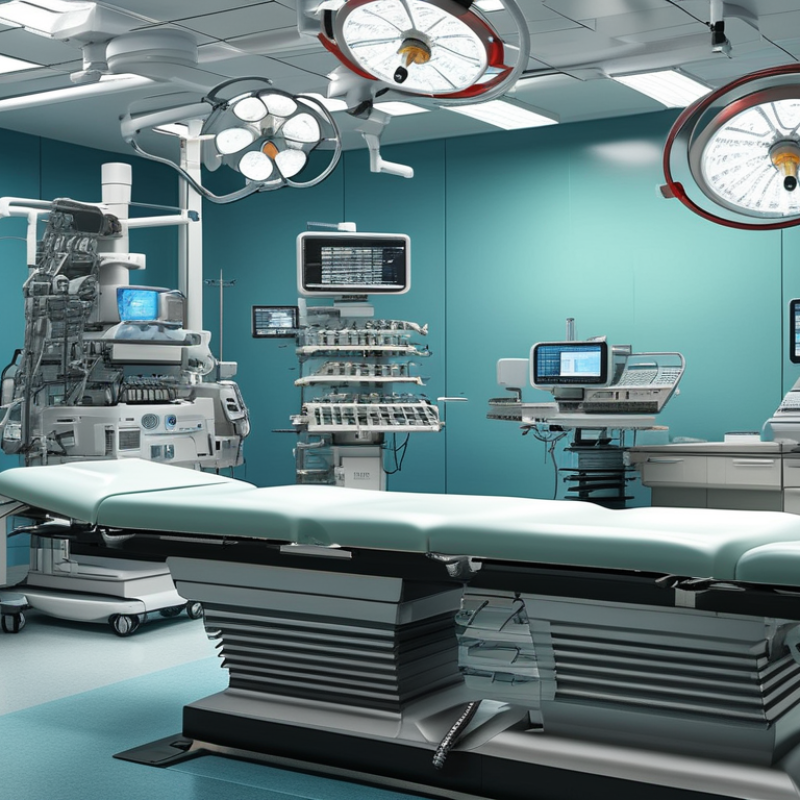
Key Technological Innovations in Orthopedic Implants
The field of orthopedic implants is witnessing significant advancements due to key technological innovations. Recent reports indicate that the global orthopedic implant market is projected to reach over $70 billion by 2028, driven by a growing aging population and increasing instances of bone-related diseases. Innovations like 3D printing technology are reshaping the production of customized implants. This allows for tailored solutions that fit individual anatomy, enhancing patient outcomes.
Another technological breakthrough is the integration of smart sensors in implants. These sensors can monitor patient activity and healing progress in real-time. Research shows that 78% of surgeons believe these technologies improve long-term results and patient satisfaction. However, there's a learning curve to implement these innovations effectively, and not all hospitals are equipped for this transition.
Moreover, biocompatible materials are being developed, reducing the likelihood of implant rejection. A study found that 30% of patients experience complications from traditional materials. Yet, the cost of advanced materials remains a barrier for many institutions. The balance between innovation and practicality is a crucial consideration as hospitals evaluate their orthopedic implant options.
Benefits of Durability and Reliability in Surgical Outcomes
In the world of orthopedic surgery, durability and reliability are paramount. Surgical outcomes hinge significantly on the quality of the implants used. A report by the American Academy of Orthopaedic Surgeons indicates that 90% of patients report improved function when high-quality implants are employed. This speaks volumes about the importance of choosing durable materials that withstand stress over time.
Surgeons need to consider the long-term performance of implants. Studies show that implants with higher durability traits can lead to fewer revisions. Second surgeries are costly and risky. In fact, data from the National Joint Registry reveals that revision rates for lower-quality implants can exceed 20%. This statistic emphasizes the need for precision in material selection.
**Tip:** Always prioritize implants with a solid track record. Consider peer-reviewed studies discussing durability.
In addition, the reliability of implants affects patient trust. When patients know their devices are made robustly, they often show higher satisfaction levels. A survey found that 85% of patients favor implants linked with fewer failures. Yet, not all implants are created equal. Some may have nuances in their designs that could lead to complications.
**Tip:** Consult updated industry reports on implant reliability before making decisions. Make informed choices for better outcomes.
Cost-Effectiveness and Value Proposition for Hospitals
Cost-effectiveness is a crucial factor for hospitals when selecting orthopedic implants. These implants can significantly affect surgical outcomes. Hospitals are increasingly focusing on high-quality products that deliver long-term value. This means lower complication rates, which ultimately saves costs.
In addition to initial savings, hospitals benefit from fewer revisions. A reliable implant decreases the need for additional surgeries. This not only enhances patient safety but also reduces the financial burden on healthcare systems. Patients enjoy faster recovery times and better overall satisfaction.
However, hospitals must also consider the hidden costs. Some cheaper implants may lead to higher rates of complications. Hospitals face dilemmas when balancing cost against quality. It is essential to assess the long-term implications of implant decisions. Ultimately, the right choice hinges on a combination of skillful evaluation and clear communication among stakeholders.
Regulatory Compliance and Safety Standards for Implants
The field of orthopedic implants is highly regulated. Compliance with safety standards is essential. Hospitals rely on these regulations to ensure patient safety. Implants must pass rigorous testing before reaching the market. This involves assessments by various regulatory bodies. Each item must meet the strict criteria for use in surgeries.
Safety standards are not just bureaucratic. They are crucial for minimizing complications. When implants fail, patients face serious risks. Proper oversight can prevent these dangerous situations. Implants should be durable and reliable. Understanding the implications of non-compliance is vital for hospitals. Ethical considerations must guide these decisions.
Tips: Always verify the associated documentation of any implant. Ensure it complies with the latest regulations. Hospitals should regularly review updates from regulatory authorities. Engage with industry experts to stay informed. Continuous education on safety practices is essential. Training healthcare staff on critical safety procedures can lead to better outcomes.
Top 10 Reasons Orthopedic Implants Win Hospital Tender Projects
| Reason |
Description |
Regulatory Compliance |
Safety Standards |
| High Quality Materials |
Use of biocompatible and durable materials. |
ISO 13485 Certification |
Meets ASTM standards |
| Innovation |
Advanced technologies enhancing functionality. |
CE Marking |
FDA Approval |
| Cost-Effectiveness |
Provides better value for money without compromising quality. |
Adheres to local pricing regulations |
Risk Management Standards |
| Proven Clinical Efficacy |
Supported by clinical trials demonstrating effectiveness. |
Clinical Trial Data Submission |
IEC 60601 Standards |
| Comprehensive Support |
Excellent after-sales service and support. |
Regulatory Training Compliance |
Adherence to safety protocols |
| Customizable Solutions |
Ability to tailor products to specific surgical needs. |
Compliance with Custom Device Regulations |
Regulatory Approval for Modifications |
| Strong Manufacturer Reputation |
Recognized for consistency and reliability. |
ISO Certification |
Compliance with International Safety Standards |
| Quick Availability |
Efficient supply chain and logistics. |
Inventory Management Compliance |
Safety Stock Regulations |
| Sustainability Initiatives |
Environmentally friendly manufacturing processes. |
Sustainable Product Certification |
Compliance with Environmental Safety Standards |
Supplier Support and Service Impact on Tender Success
In the competitive environment of hospital tender projects, supplier support and service play crucial roles. Hospitals seek reliable partners that offer not only quality products but also comprehensive assistance. This includes technical support, timely delivery, and training for medical staff. When suppliers provide these services, it enhances their credibility and helps build strong relationships.
Unexpected challenges often arise during implant procedures, so having a responsive supplier is essential. Quick access to expertise can make a significant difference in patient outcomes. Suppliers must understand the specific needs of the hospitals they serve. Customized solutions can be a game changer. However, some suppliers may struggle to keep up with these demands. Hospitals need to assess their potential partners thoroughly.
Moreover, the level of post-sale service can impact the overall performance of implants used. Regular follow-ups and effective communication can help address any issues that may come up later. Yet, not all suppliers are consistent in this aspect. A lack of ongoing support can lead to skepticism about an implant's reliability. Decision-makers should weigh these factors carefully before committing to a supplier.
Conclusion
The article "Top 10 Reasons Orthopedic Implants Win Hospital Tender Projects" explores the factors that contribute to the suitability of orthopedic implants for hospital tender projects. What makes orthopedic implants suitable for hospital tender projects includes key technological innovations that enhance their performance, providing durability and reliability that improve surgical outcomes. Additionally, the cost-effectiveness and value proposition offered by these implants play a crucial role, making them attractive options for hospitals looking to optimize their budgets while ensuring high-quality care.
Moreover, compliance with regulatory standards and safety protocols ensures that these implants meet the required health guidelines, instilling confidence among healthcare providers. Supplier support and service also significantly impact the success of tender bids, as hospitals prefer partners that can provide reliable assistance and maintenance. Together, these elements underline the advantages of orthopedic implants and their capability to meet the diverse needs of healthcare institutions in tender scenarios.

 Nipa Orthopedic Implants