In the orthopedic industry, ensuring the quality of implants is crucial. Orthopedic implants play a vital role in patient outcomes. Thus, the need to verify their production qualifications has become increasingly essential. Many healthcare providers struggle with the question of how to check the production qualification of orthopedic implants suppliers. Understanding this process can significantly impact patient safety and implant performance.
To assess suppliers effectively, professionals must look beyond basic certifications. They should evaluate production processes, quality control measures, and adherence to industry standards. It's important to research suppliers' histories and reputations. Yet, some companies may present misleading information. This reality demands diligence and careful scrutiny.
Moreover, some do not prioritize these checks. This oversight can lead to critical issues post-implantation. Consequently, a comprehensive approach to supplier evaluation is necessary. This includes a combination of document reviews, site visits, and ongoing communication. By taking these steps, healthcare providers can ensure that they select reliable suppliers. Ultimately, these efforts contribute to better outcomes for patients relying on orthopedic implants.
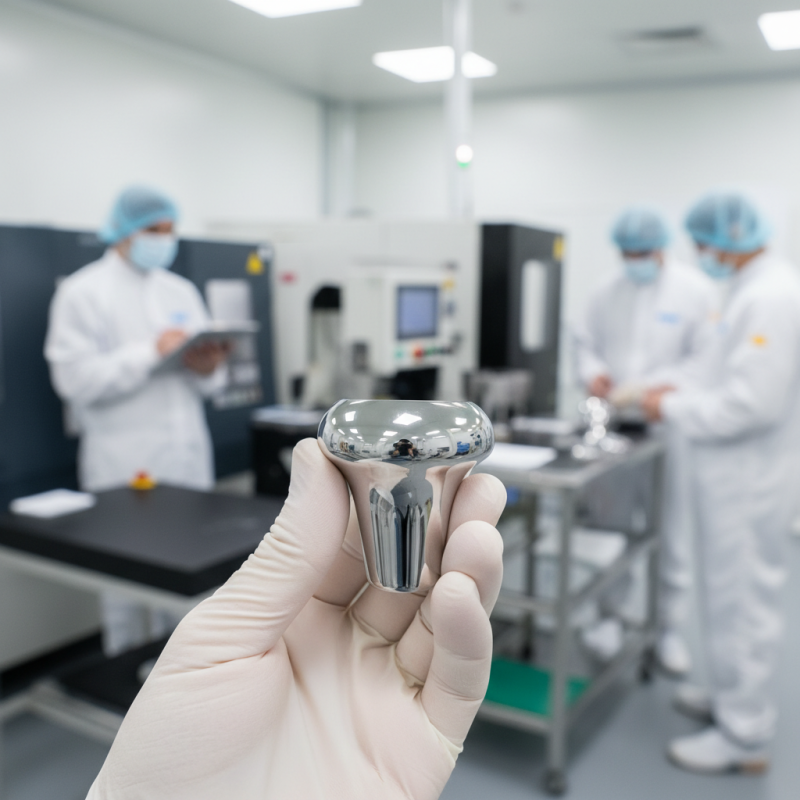
In the orthopedic implant industry, regulatory standards are crucial. These standards ensure the safety and efficacy of implants. According to the FDA, about 1 million orthopedic devices are recalled annually due to safety concerns. This emphasizes the need for rigorous production qualifications.
Manufacturers must comply with ISO 13485, a standard for quality management systems. This ensures that every aspect of production meets strict guidelines. A report by Research and Markets indicates that the global orthopedic implant market is projected to reach $78.5 billion by 2026. The demand is rising, but so is the complexity of verification.
Although regulatory bodies set standards, not all manufacturers adhere strictly. Many face challenges in maintaining compliance. Issues such as inadequate documentation can lead to serious consequences. It’s essential for companies to regularly review their practices. Continuous improvement is necessary to ensure that implants are both safe and effective.
To verify the production qualification of orthopedic implants, key performance indicators (KPIs) play a crucial role. These metrics help measure the effectiveness and reliability of implant designs and manufacturing processes. Critical metrics include tensile strength, fatigue resistance, and biocompatibility. Each of these indicators provides a glimpse into how well an implant will perform in real-world conditions.
For instance, tensile strength indicates how much force an implant can withstand before failing. Moreover, fatigue resistance is essential to understand how implants behave over time under repetitive stress. Biocompatibility ensures that materials do not provoke adverse reactions in the human body. It's not simply about passing tests; it’s about real-world application. Companies often face challenges in maintaining these standards consistently. Meeting all criteria can be a relentless pursuit.
Improving these KPIs requires thorough testing and validation processes. This may sometimes lead to redesigns or material changes, causing delays in production. Organizations need to reflect on their processes regularly. Are they adequately addressing potential failures? Are their tests capturing all the necessary data? In the end, continual scrutiny of KPIs not only ensures patient safety but also drives innovation in implant technology.
This chart illustrates the key performance indicators used to verify the production qualification of orthopedic implants. Each indicator assesses a different aspect of implant performance critical to safety and efficacy.
Material testing plays a vital role in verifying the production qualification of orthopedic implants. These implants must meet strict requirements to ensure patient safety and function. One common method involves mechanical testing, which assesses the strength and durability of the materials used. This process often includes tensile testing, where samples are pulled until they break. Such testing helps uncover potential weaknesses in the material.
Another essential approach is fatigue testing. Implants experience repeated stress during normal use. Fatigue testing simulates this, revealing how materials hold up over time. Often, samples are subjected to cycles of loading and unloading. Some implants might fail sooner than anticipated. Observing such failures can lead to improved designs.
In addition to mechanical tests, chemical analysis is crucial. It evaluates the material's composition. Techniques like spectroscopy can identify elements present in the implants. Variations in composition can affect the implant’s biocompatibility. It’s important to remember that not all materials perform as expected. Continuous improvement in testing methods is necessary to achieve reliable results.
In recent years, the focus on long-term biocompatibility of orthopedic devices has intensified. Ensuring that these implants are safe for prolonged use is crucial. Many factors play a role in this evaluation. The materials used must interact well with human tissue. Rigorous testing protocols are essential. This involves not just initial responses but also how the body reacts over time.
Long-term studies often include animal models. These models help researchers assess the effects of implants over extended periods. Challenges arise when interpreting data from these studies. Not all reactions can be anticipated. Biocompatibility isn't just about avoiding toxicity. It encompasses the implant's structural integrity and functionality as well.
Some devices may show initial promise but fail during long-term use. Researchers frequently encounter unexpected failures. This highlights the importance of continuous monitoring. Post-market surveillance remains essential. It helps gather data on the ongoing performance of implants. While significant strides have been made, the journey toward understanding biocompatibility is ongoing. More reflections on the intricacies are necessary to achieve true safety for patients.
Clinical trials play a crucial role in verifying the production qualification of orthopedic implants. These trials gather vital data on how implants perform in real-world conditions. They assess factors like patient safety, effectiveness, and overall satisfaction. A well-designed trial evaluates not just the mechanical strength of the implant but also its integration with human tissue.
Patient outcomes are a key aspect of this verification. The success of an implant can often depend on individual differences, such as age, activity level, and health status. A one-size-fits-all approach may overlook these nuances. For instance, younger patients might experience different outcomes than older ones. Listening to patient feedback is essential. It sheds light on problems that may not surface in clinical settings.
Moreover, outcomes are not just measured by the absence of complications. Psychological impacts and quality of life improvements are significant too. Sometimes, patients report satisfaction with their implants even when minor issues arise. These inconsistencies prompt a reevaluation of success metrics. The nuances in patient experiences reveal the complexity of verifying orthopedic implants. There is room for growth and improvement in how we approach these trials, ensuring they meet diverse needs effectively.
: They ensure the safety and effectiveness of implants, avoiding serious issues.
It's a standard for quality management systems in medical device manufacturing.
About 1 million devices are recalled each year due to safety concerns.
Mechanical testing, fatigue testing, and chemical analysis are common methods.
It's where material samples are pulled until they break, assessing their strength.
It reveals how materials withstand repeated stress, helping improve future designs.
They provide data on performance, safety, and patient satisfaction in real-world conditions.
Age, activity level, and overall health can influence how well an implant works.
Yes, sometimes even when minor issues exist, showing the complexity of satisfaction.
By addressing diverse patient needs and considering psychological impacts more thoroughly.
The verification of production qualifications for orthopedic implants is a critical process that ensures the safety and effectiveness of these medical devices. To check the production qualification of orthopedic implants suppliers, it is essential to identify the relevant regulatory standards that govern the industry, as compliance with these standards establishes a baseline for quality. Key performance indicators must also be defined to measure the success of the qualification process, providing quantifiable data on the implants’ performance.
Additionally, conducting thorough material testing on implants is vital to ascertain their physical and mechanical properties. Evaluating the long-term biocompatibility of these devices ensures that they will perform safely within the human body over time. Finally, the importance of clinical trials cannot be underestimated, as these studies provide real-world insights into patient outcomes, further validating the efficacy and safety of the orthopedic implants. Collectively, these steps form a comprehensive approach to verifying the qualifications of orthopedic implants suppliers.

Nipa Orthopedic Implants