Explore our advanced medical devices engineered for high mechanical stability, precise anatomical reconstruction, and rapid patient recovery. Our solutions leverage industry-proven materials and manufacturing excellence.
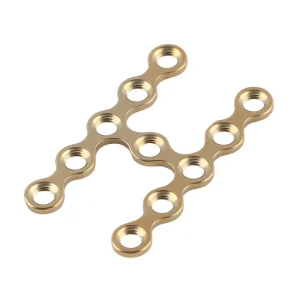
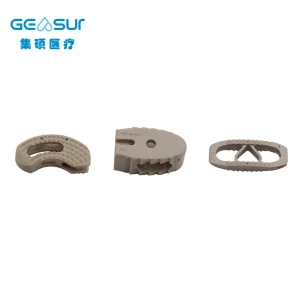
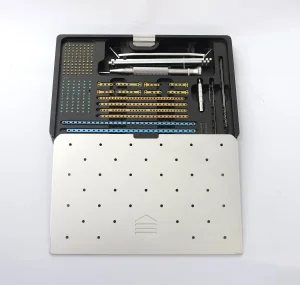

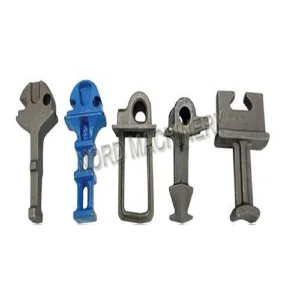
Anterior Cruciate Ligament (ACL) reconstruction stands as one of the most critical procedures in contemporary sports medicine and orthopedic surgery. Over the last three decades, the transition from simple open repairs to arthroscopic reconstructions has demanded radical improvements in fixation devices. The fundamental objective of any ACL fixation device is to securely anchor the soft tissue or bone-tendon-bone graft within the femoral and tibial tunnels. This secure anchorage must withstand early rehabilitation stresses, maintaining mechanical integrity until biological integration (ligamentization) occurs.
Currently, the market demands a balanced approach combining high mechanical strength, minimal biological reaction, and ease of surgical deployment. The selection of materials has shifted from traditional medical-grade stainless steel to biocompatible titanium alloys, and subsequently to polymers such as PEEK (Polyetheretherketone) and bioabsorbable composites (e.g., PLDLA blended with Hydroxyapatite). Suppliers and exporters are now evaluated not just by their production volumes, but by their R&D depth, biological compliance, and ability to present substantial clinical performance evidence.
Clinical Insight: The primary failure modes of ACL reconstruction often trace back to fixation instability rather than graft rupture. Achieving initial pull-out strengths exceeding 450N is standard for modern sports medicine clinics, demanding strict tolerances in thread designs and interface friction metrics from manufacturers.
The integration of Polyetheretherketone (PEEK) and osteoconductive bio-absorbables has drastically minimized long-term inflammatory responses. PEEK offers a modulus of elasticity close to human cortical bone, reducing the stress-shielding effects often seen with heavy metallic screws.
Suspensory loop designs (cortical buttons) for femoral fixation allow simplified graft deployment, minimizing graft slippage. Similarly, knot-free anchors ensure reproducible tensioning in sports medicine applications, reducing the overall operation duration.
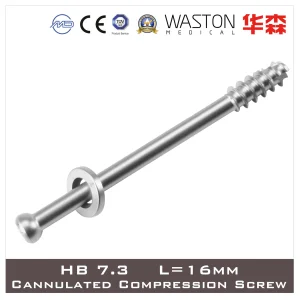
Modern interference screws feature progressive thread pitches designed to maximize bone purchase without cutting or damaging the soft tissue graft during insertion. This geometry is critical for immediate post-op stability.
Building on our legacy of industry firsts, we honor commitments to quality, clinical efficacy, and systemic partnerships with organizations globally.
We have one of the most comprehensive orthopaedics portfolios in the world, helping heal and restore movement for millions of patients. Our products span various specialties, including joint reconstruction, trauma, craniomaxillofacial, spinal surgery, and sports medicine.
Building on our proud legacy of industry firsts, we are honoring our commitments to quality and innovation while creating a future where it's easier than ever before to keep people moving. We are inspired to be good citizens of the world. Our Credo challenges us to put the needs and well-being of the people we serve first. That means we are responsible to the communities in which we live and work and the global community as a whole.
We must be good citizens, encourage civic improvements, better health and education, and maintain the property we are privileged to use by protecting the environment and its natural resources.

DePuy Synthes and the AO Foundation Partnership: For more than 60 years, DePuy Synthes has partnered with the AO Foundation aiming to improve patient outcomes and build on our commitment to product and surgical innovation. This relationship guarantees that the development of sports medicine implants, trauma devices, and spinal systems is backed by extensive, independent educational and scientific vetting. The rigorous standards set by the AO Foundation guide the manufacturing tolerances, engineering parameters, and material validation profiles of all high-performance fixation components.
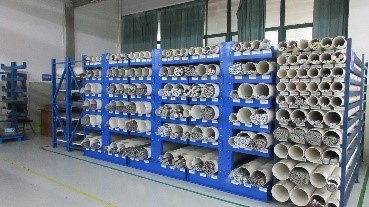
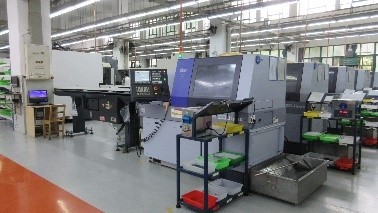
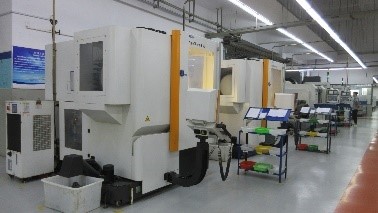
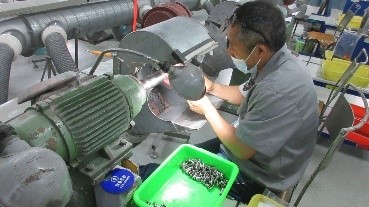
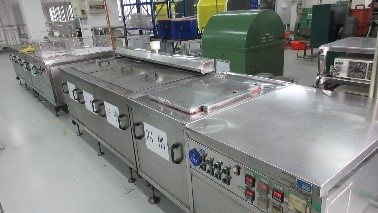
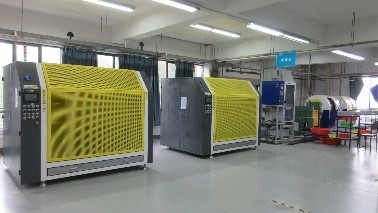
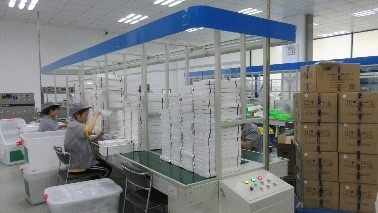
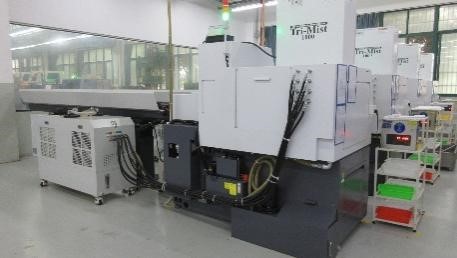
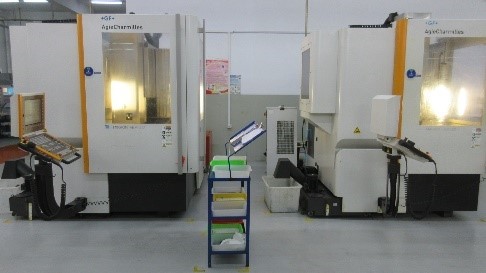
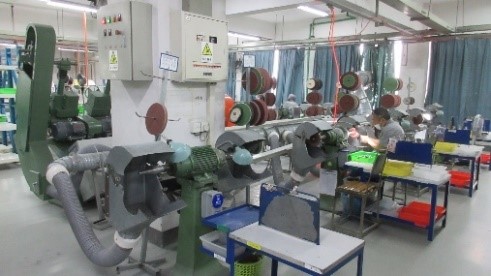
In the orthopedic implant industry, manufacturing precision and raw material integrity are non-negotiable. China's advanced medical manufacturing ecosystems (Factory 4.0) combine high-end Swiss-type CNC machinery with strict environmental controls to deliver sterile, premium-grade implants efficiently to global markets.
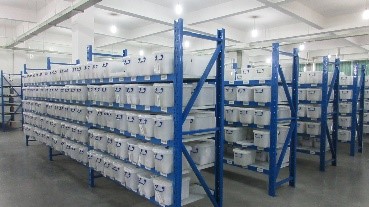
Integrating intelligence into orthopedic production lines enables full digital tracking of every single batch of surgical implants. From raw material spectrum validation to finished item packing, every parameter is documented. Advanced longitudinal cutting, precision multi-axis CNC routing, automated ultrasonic washing, and computerized optical sorting systems minimize human-error variances. This system allows Chinese manufacturing centers to offer strong supply-chain resilience and shorter lead times, supporting global distributors during sudden market changes or localized regulatory transitions.
The acquisition of ACL fixation components is governed by regional regulatory compliance, price-to-performance efficiency, and delivery reliability. In developed regions (North America and Western Europe), healthcare providers require FDA clearance, MDR compliance, and peer-reviewed clinical data. In these markets, suppliers must provide high-end, bio-inductive materials and knotless anchors that reduce operating room time.
In developing regions (Latin America, Southeast Asia, and Eastern Europe), procurement is focused on cost-efficiency and mechanical reliability. Global buyers seek to source ISO 13485 certified implants that offer the same structural strength and pull-out resistance as premium brands, but at a more competitive cost structure. This demand drives the need for reliable OEM/ODM partners capable of delivering certified orthopedic implants with fast turnarounds.
Strict FDA 510(k) clearances, MDR documentation, and clinically proven materials are essential. Suspensory loops, bioabsorbable interference screws, and PEEK suture anchors dominate the high-value clinical sports medicine segment.
Rapidly expanding sports medicine networks and rising elective surgery rates drive massive procurement volumes. Regional distributors seek reliable, cost-effective manufacturers with ISO 13485 certification and bulk delivery capabilities.
Governments and private medical chains prioritize cost-efficiency, comprehensive instrument sets, and reliable OEM capacity to ensure continuous supply without domestic warehousing shortages.
Gain deep understanding regarding biological integration, engineering tolerances, and mechanical parameters of modern ACL fixation devices.
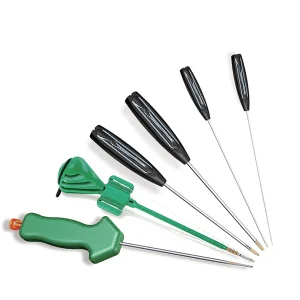
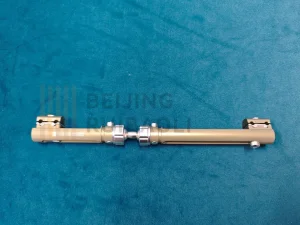
Explore our collection of specialized orthopedic systems, from PEEK knot-free anchors to external fixation sets, all designed for precise surgical application.
 Nipa Orthopedic Implants