Arthroscopic surgery has revolutionized the field of sports medicine and joint reconstruction. As clinical evidence continues to support minimally invasive pathways over open joint procedures, the demand for highly specialized arthroscopy tools, stabilization implants, and precision instrumentation has scaled exponentially. According to recent orthopedic market metrics, the global sports medicine market size is projected to expand significantly, driven by an aging yet active global population, advancements in bio-compatible materials, and the rapid expansion of Ambulatory Surgical Centers (ASCs).
In this dynamic landscape, surgeons require tools that deliver unmatched tactile feedback, micro-precision mechanical responses, and biological integration. The materials used—varying from advanced medical-grade PEEK (Polyetheretherketone) to bioactive polymers and Titanium alloys—dictate the post-operative recovery timelines of millions of patients worldwide.
Modern procurement in hospital networks and global distribution networks face complex challenges. Suppliers must balance technological advancement with cost containment. In response, top manufacturers are shifting from simple hardware vendors to comprehensive clinical solution providers. The consolidation of sports medicine devices implies that manufacturing partners must now offer end-to-end certification, regulatory documentation (such as CE MDR and FDA 510k compliance), and reliable OEM/ODM pipelines.
The biomechanical success of arthroscopic stabilization devices relies heavily on material-tissue interactions. Our design philosophy integrates material science to match the specific modulus of human cortical and cancellous bone structures.
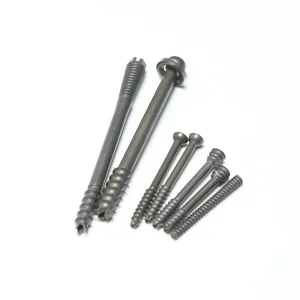
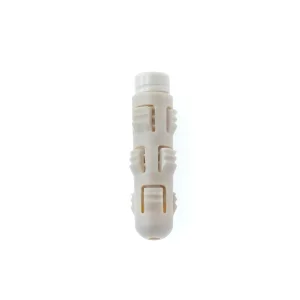
For anterior cruciate ligament (ACL) and posterior cruciate ligament (PCL) reconstructions, the choice of interference screw material is paramount. Our PEEK bioabsorbable interference screws are engineered to deliver:
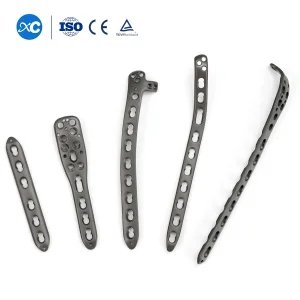
In high-load trauma scenarios, cranio-maxillofacial reconstructions, or complex spinal systems, Titanium alloy (Ti-6Al-4V ELI) remains the industry gold standard. Through titanium-coated Lumbar PEEK fusion systems and advanced locking plates, we combine the high tensile strength of titanium with the flexible properties of PEEK, facilitating superior osteointegration.
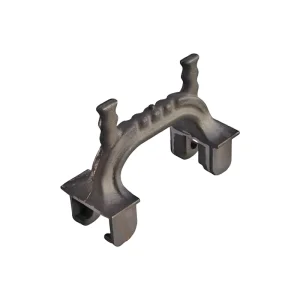
While orthopedic implants are our core specialty, our engineering expertise extends to heavy industrial components, including GOST Standard Rail Fasteners and Rail Cast-in Shoulders. Leveraging our deep understanding of metallurgy, stress distribution, and wear-resistant coatings, we supply reliable structural fasteners that withstand extreme loads in global transport networks. This cross-industry synergy highlights our advanced capabilities in precision metal forming and quality assurance.
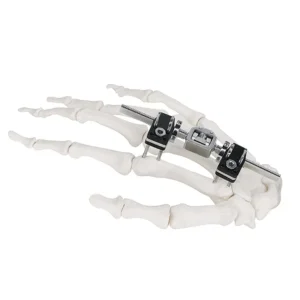
We have one of the most comprehensive orthopaedics portfolios in the world, helping heal and restore movement for millions of patients. Our products span various medical specialties, including joint reconstruction, trauma, craniomaxillofacial, spinal surgery, and sports medicine.
Building on our proud legacy of industry firsts, we are honoring our commitments to quality and innovation while creating a future where it's easier than ever before to keep people moving.
At DePuy Synthes, supporting our partners in care is a key part of our mission. Whether that’s helping fund educational programs for the next generation of healthcare providers, providing medical kits for global healthcare missions, or supporting our industry partners to offer events for industry professionals, we’re dedicated to contributing to the advancement of healthcare across all verticals. Learn More About Grants & Giving

For more than 60 years, DePuy Synthes has partnered with the AO Foundation aiming to improve patient outcomes and build on our commitment to product and surgical innovation. Learn More About the Partnership
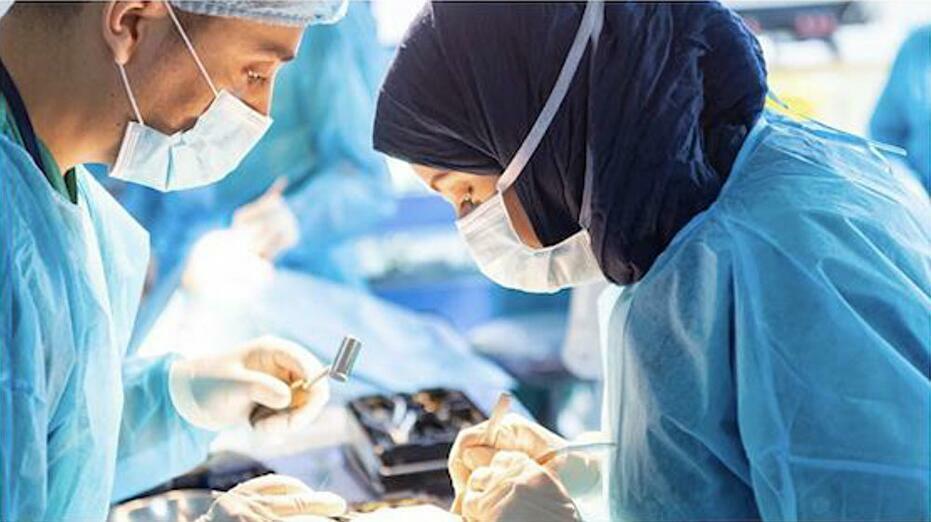
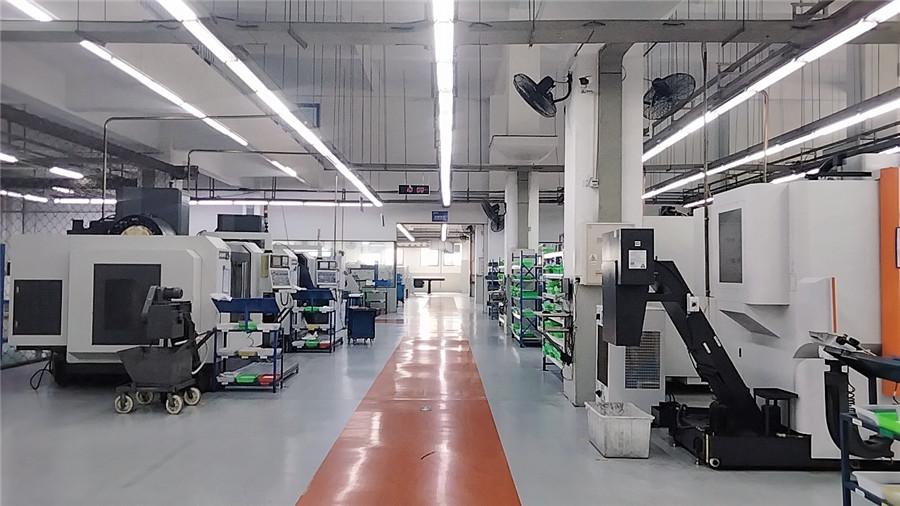
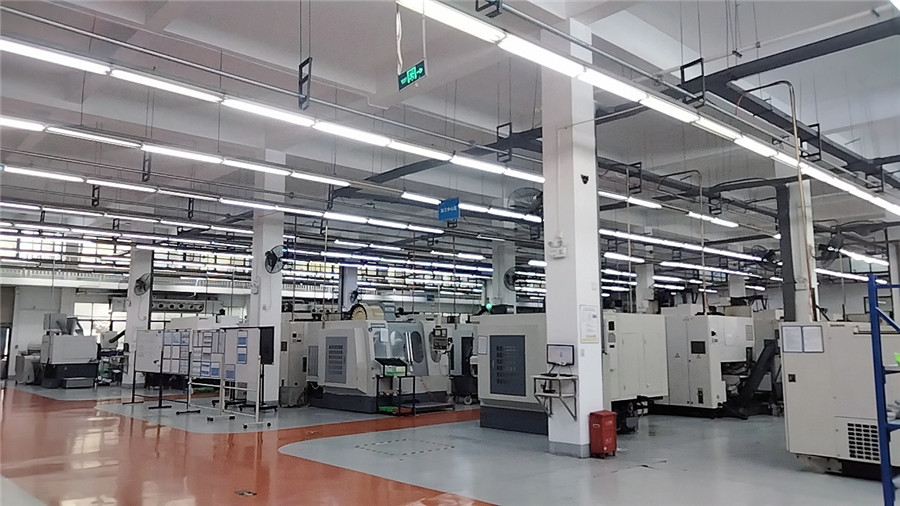
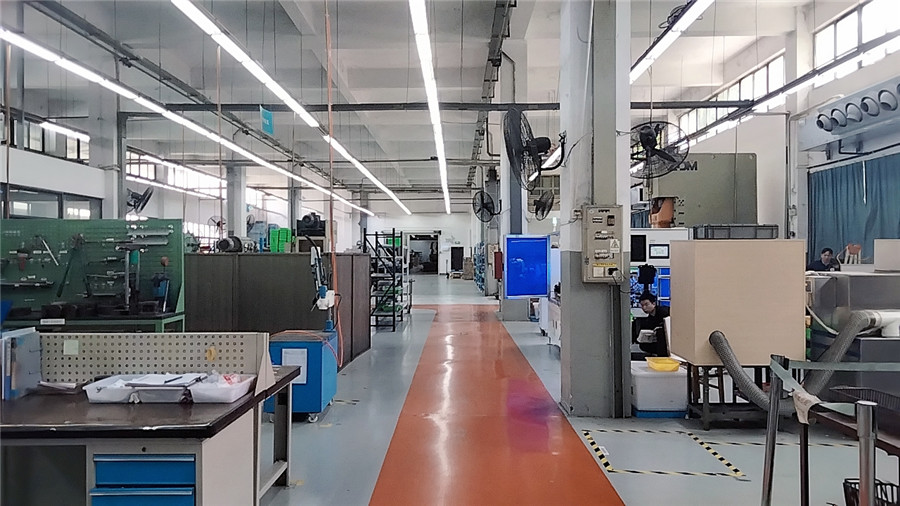
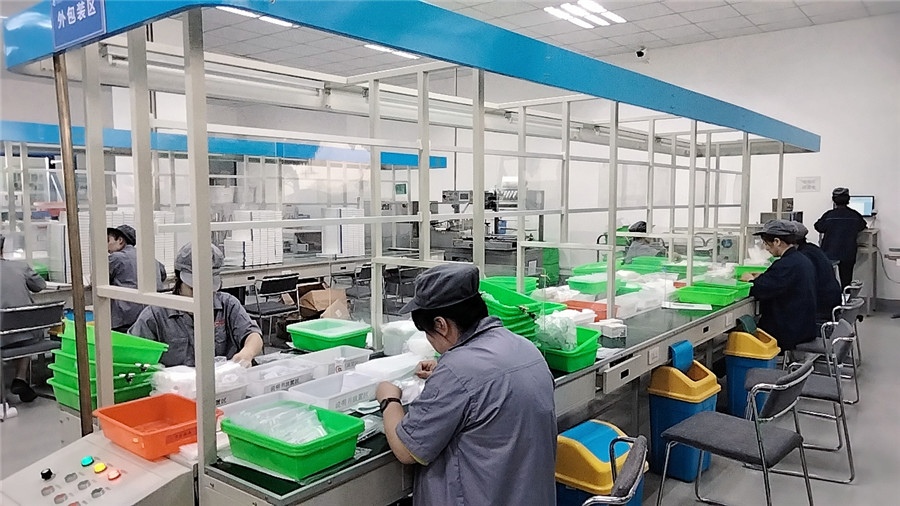
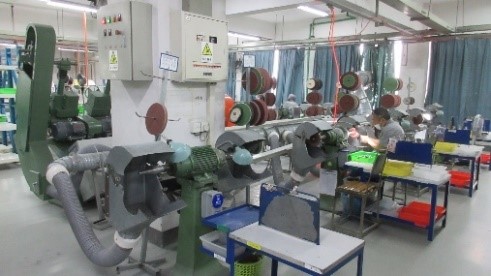
Our production facilities utilize modern manufacturing processes to ensure the structural integrity of every orthopedic plate, screw, anchor, and internal system.
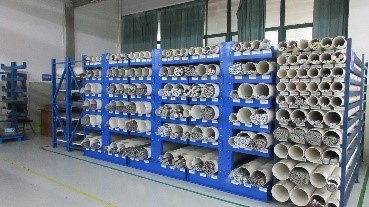
Medical-grade titanium, PEEK polymers, and raw stainless-steel rods undergo chemical and metallurgical validation before production.
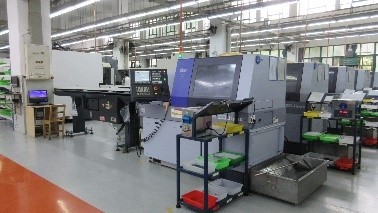
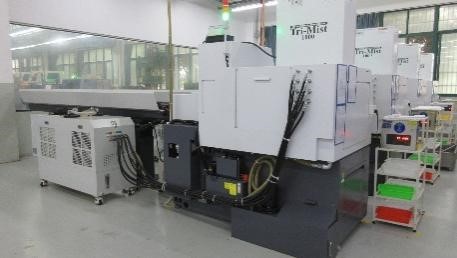
Rods are precision-cut using automated equipment to ensure uniform lengths and minimize structural deformation.
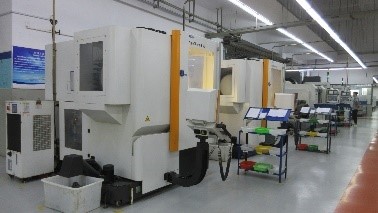
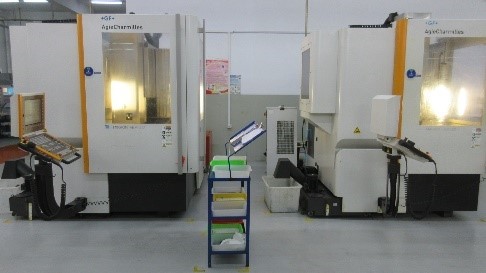
Multi-axis Swiss type CNC machining processes complex geometries of suture anchors, screws, and bone plates with tolerances under 5 microns.
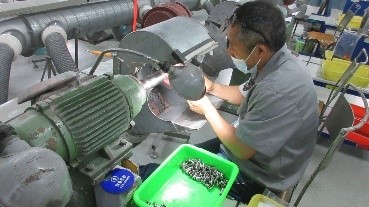
Advanced physical polishing removes burrs and creates smooth surface finishes, reducing friction in joints.
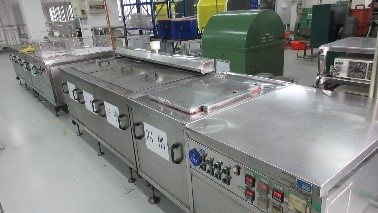
Multi-stage chemical washing removes oils and micro-particles to prepare implants for cleanroom assembly.
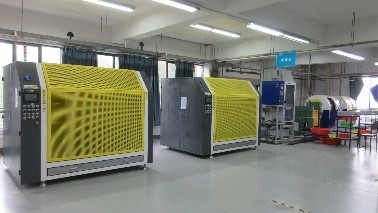
Precision grinding establishes strict flatness profiles and dimensional parameters on interlocking interfaces.
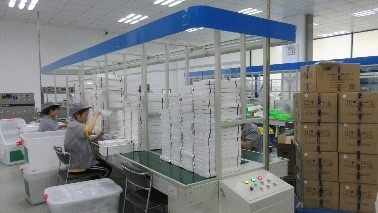
Sterilization packaging occurs in an ISO Class 7 cleanroom to ensure safe shipment to medical facilities.
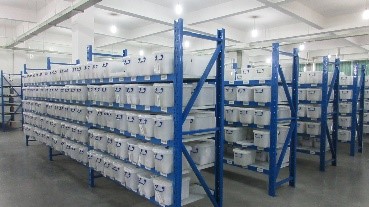
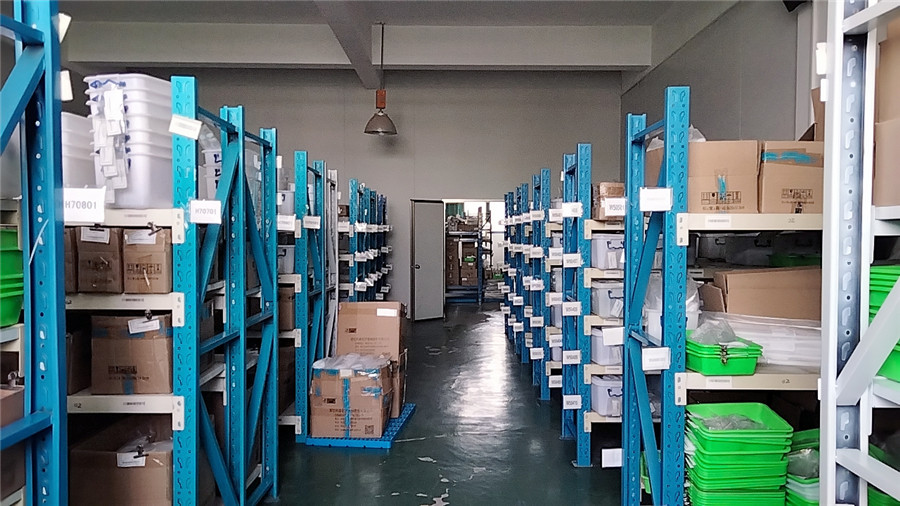
Finished products are stored in temperature and humidity-controlled clean environments, ready for global delivery.
Medical infrastructure and regulatory pathways vary significantly across regions. Whether importing into North America, supplying hospital networks in the EU, or deploying veterinary services in remote regions, localized compliance forms the basis of operational success.
Our orthopedic products meet or exceed global standards, supported by verified certifications:
Our solutions target key medical applications:
As surgical techniques move towards robotics, preoperative planning software, and custom implant options, our development roadmap focuses on three main pillars:
Integrating bio-active glass and osteoinductive minerals into PEEK structures to accelerate bone growth directly in the screw tunnels.
Producing customized micro-porous titanium structures that match patient-specific anatomy to improve orthopedic integration.
Developing sensor-enabled tools that provide real-time insertion torque data during surgery to prevent thread damage.
 Nipa Orthopedic Implants