The global demand for Orthopedic Rods and Hooks has reached an all-time high, driven by a rapidly aging global population and the increasing prevalence of spinal degenerative diseases. As a cornerstone of spinal fusion surgery and trauma fixation, these components are vital in restoring structural integrity and patient mobility. In today's commercial environment, the orthopedic implant industry is moving toward high-precision manufacturing, where titanium alloys and cobalt-chrome materials dominate the market.
Across Europe, North America, and the emerging markets of Southeast Asia, hospital systems and private surgical centers are shifting toward value-based procurement. This means buyers are no longer just looking for "parts," but for integrated systems that offer biocompatibility, long-term stability, and surgical ease-of-use. As top-tier exporters from China, we are at the forefront of this industrial shift, bridging the gap between high-end clinical requirements and cost-effective manufacturing.
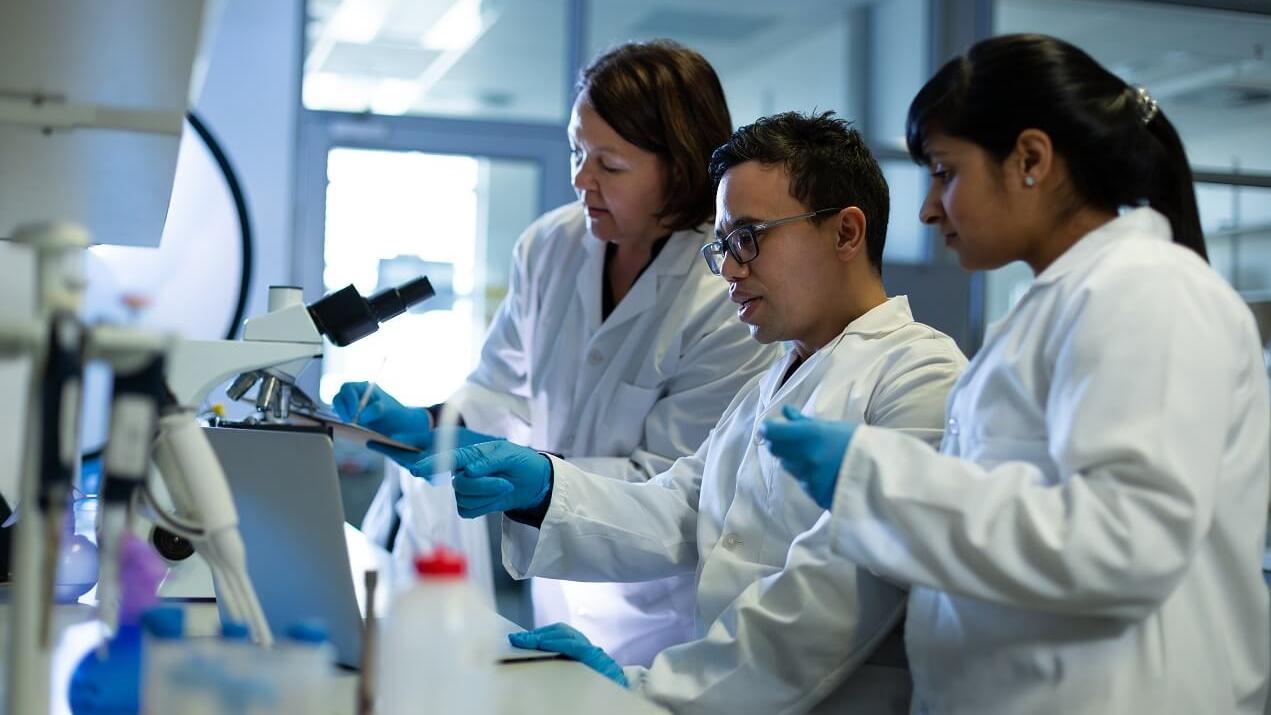
Modern orthopedic rods are increasingly being designed using AI-assisted software that predicts the optimal curvature based on individual patient anatomy, reducing the need for manual bending during surgery.
3D-printed titanium hooks with porous surfaces are enhancing osseointegration, allowing the bone to grow into the implant for a more permanent fixation than ever before.
The trend is shifting toward smaller rod diameters and low-profile hooks that allow for smaller incisions, faster recovery times, and reduced postoperative pain for the patient.
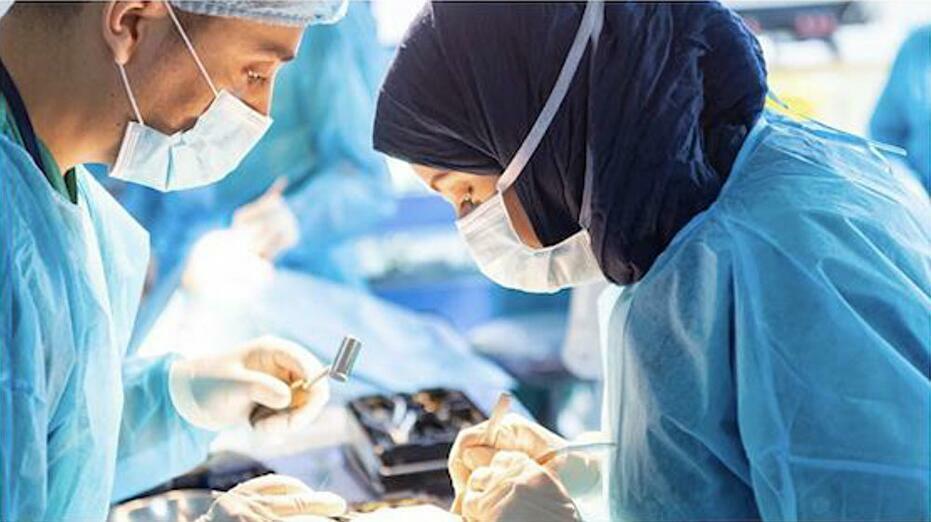
In high-altitude regions or developing urban centers, orthopedic rods must withstand diverse physical stresses. For instance, in pediatric scoliosis correction, adjustable growing rods are essential to accommodate the child's growth. In trauma centers dealing with high-velocity accidents, high-strength titanium hooks are the priority for immediate spinal stabilization.
China has evolved into the global hub for medical device manufacturing. Our facility combines state-of-the-art German CNC technology with local efficiency and a robust supply chain.
Every batch of orthopedic rods undergoes fatigue testing, static load testing, and corrosion resistance analysis in our certified labs.
By leveraging large-scale production and local material sourcing, we offer premium implants at a fraction of the cost of Western brands.
We work with international surgical teams to develop customized hooks and rod systems tailored to specific market needs.
We have one of the most comprehensive orthopaedics portfolios in the world, we help heal and restore movement for millions of patients. Our products span various specialties, including joint reconstruction, trauma, craniomaxillofacial, spinal surgery, and sports medicine.
Building on our proud legacy of industry firsts, we are honoring our commitments to quality and innovation while creating a future where it's easier than ever before to keep people moving.
We are inspired to be good citizens of the world.
Our Credo challenges us to put the needs and well-being of the people we serve first. That means we are responsible to the communities in which we live and work and the global community as a whole.
We must be good citizens, encourage civic improvements, better health and education, and maintain the property we are privileged to use by protecting the environment and its natural resources.
For more than 60 years, our partnership with the AO Foundation has aimed to improve patient outcomes and build on our commitment to product and surgical innovation.
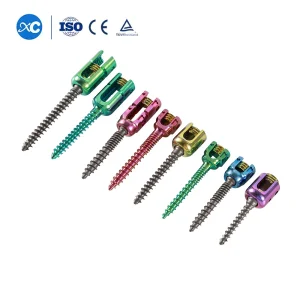
The intricate nature of the human spine demands that any implant used for correction or stabilization be manufactured to the highest possible standards. As leading orthopedic rods and hooks suppliers, we recognize that our products are more than just hardware; they are life-changing instruments. The biomechanics of spinal fixation involves the complex interplay between the rod, which provides longitudinal support, and the hook or screw, which anchors the system to the vertebrae.
One of the most critical aspects of orthopedic rod manufacturing is the choice of alloy. Titanium Grade 5 (Ti-6Al-4V) is often the preferred choice due to its high strength-to-weight ratio and excellent biocompatibility. However, for certain applications requiring greater stiffness, Cobalt-Chrome (CoCr) rods are utilized. These materials must undergo rigorous processing to avoid stress corrosion cracking and fatigue failure, common issues in long-term spinal implants.
The design of orthopedic hooks has also evolved significantly. From the early Harrington rods to modern polyaxial systems, the goal has always been to maximize the contact area between the hook and the lamina or transverse process. This distributes the load more evenly, reducing the risk of bone fracture or implant "pull-out." Modern hooks feature low-profile designs to prevent irritation of the surrounding soft tissue, a major concern in thin or pediatric patients.
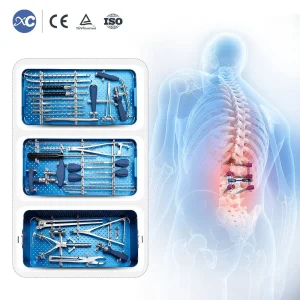
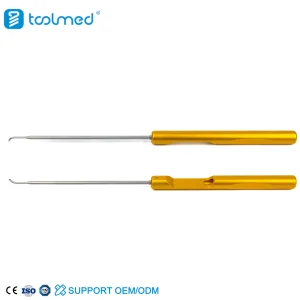
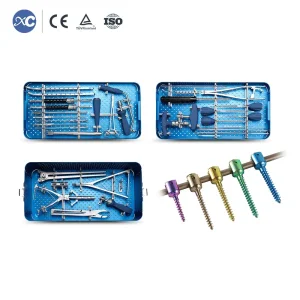
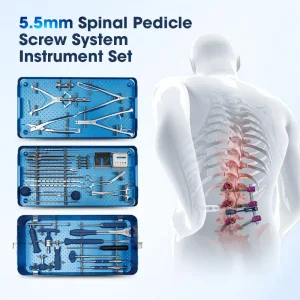
Furthermore, the global orthopedic export market is seeing a rise in the demand for complete surgical sets. Hospitals and distributors prefer sourcing from suppliers who can provide not just the implants, but the specialized instruments required for their insertion—such as rod benders, compressors, and distractors. This holistic approach ensures that the entire system functions seamlessly in the high-stakes environment of an operating theater.
In China, our factories are leveraging advanced automation to ensure consistency across millions of units. Unlike artisanal manufacturing of the past, modern China orthopedic exports are defined by micron-level precision. This precision is vital for the "set-screw" mechanisms within hooks and screws, which must lock the rod firmly in place without stripping the threads. Our commitment to this level of detail is why healthcare providers across five continents trust our surgical solutions.
As we look toward the next decade, the integration of bioactive coatings on rods and hooks is the next frontier. Imagine an orthopedic rod that not only supports the spine but also releases antimicrobial agents to prevent surgical site infections, or one that is coated with hydroxyapatite to promote faster bone bonding. We are already investing in the R&D necessary to bring these "smart implants" to the global market, ensuring that our partners are always one step ahead in the medical field.
 Nipa Orthopedic Implants