Explore our leading medical-grade devices, engineering solutions, and structural supports designed for advanced clinical stabilization and robust orthological therapies.
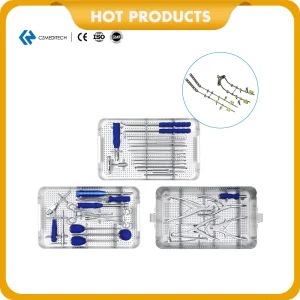
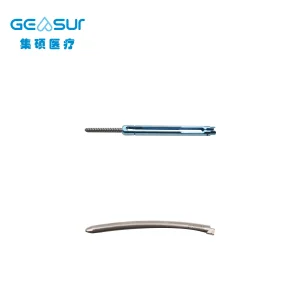
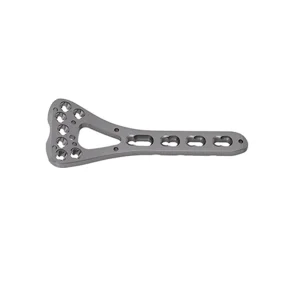
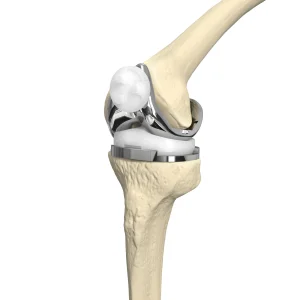
We have one of the most comprehensive orthopaedics portfolios in the world, we help heal and restore movement for millions of patients. Our products span various specialties, including joint reconstruction, trauma, craniomaxillofacial, spinal surgery, and sports medicine.
Building on our proud legacy of industry firsts, we are honoring our commitments to quality and innovation while creating a future where it's easier than ever before to keep people moving. We recognize that medical devices require absolute anatomical precision, biological safety, and mechanical longevity.
We are inspired to be good citizens of the world. Our Credo challenges us to put the needs and well-being of the people we serve first. That means we are responsible to the communities in which we live and work and the global community as a whole.
Every clinical dynamic brace and orthopedic implant engineered in our facility goes through rigorous validation stages. From raw medical-grade material sourcing to bio-compatibility evaluations and fatigue limit tests, our quality management system complies with standard international frameworks including ISO 13485, FDA, and CE medical device registries.
Analyzing the technological transition from simple neoprene sleeves to bio-mechanically engineered joint stabilization systems.
The incorporation of aerospace-grade carbon fiber shells, lightweight medical titanium, and hypoallergenic, breathable 3D spacer fabrics. The shift towards lightweight materials reduces user muscle fatigue during long-term orthopedic rehabilitation, while maximizing dermal air circulation.
Modern elbow braces feature micro-adjustable polycentric hinges that limit extension (from 0° to 90°) and flexion (from 0° to 120°). Precision-locking mechanisms assist physical therapists in structuring progressive anatomical mobilization programs post-injury or post-surgery.
Innovative R&D is driving the integration of embedded electronic sensors within specialized orthopedic braces. These smart arrays track real-time physiological metrics, pressure distribution levels, and range-of-motion compliance, transmitting critical data directly to rehabilitation physicians.
Professional purchasers, medical distributors, and rehabilitation clinic groups prioritize key performance matrices when establishing direct partnerships with OEM/ODM medical brace manufacturing plants.
Entering highly regulated healthcare environments in Europe, North America, and Japan demands comprehensive quality certifications. Standard operating procedures must align with ISO 13485 protocols. Our products undergo rigorous biocompatibility validation (ISO 10993) to eliminate potential dermal irritation or allergic reactions across diverse patient populations.
Clinical applications are rarely one-size-fits-all. Importers require factories to supply extensive modular custom options—such as interchangeable extension/flexion stops, adaptive strap configurations, pneumatic compression pads, and customizable branding/packaging. Our modern manufacturing lines handle agile, custom specifications for global private labels.
Maximizing the quality-to-cost ratio is paramount for distribution networks. B2B buyers search for factories offering low unit cost without sacrificing build quality, structural tolerances, or assembly consistency. With structured custom clearances and established global logistics networks, our delivery lines bypass bottleneck risks to ensure uninterrupted stock replenishment cycles.
The ability to scale manufacturing dynamically is key to handling sudden market shifts. A true Class 4.0 factory mitigates risk by utilizing raw material reserves, automated tooling lines, and lean scheduling. Our operations guarantee stable lead times for high-volume contract orders, preventing market deficits for regional healthcare networks.
Our manufacturing ecosystem leverages computerized automation, end-to-end quality tracing, and intelligent process engineering. Below is an overview of our advanced production and packaging workflow, ensuring that every orthopedic hardware component meets rigorous medical-grade standards.
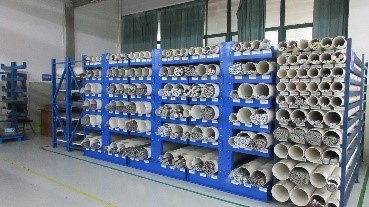
Verification of titanium alloys, medical steel, and structural polymers using chemical spectroscopy and mechanical stress tests.
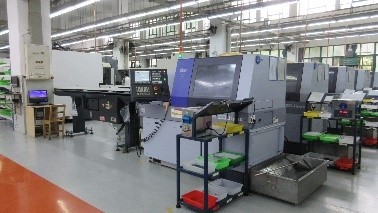
High-speed longitudinal cutting of bars and sheets to perfect initial structural templates with minimal material wastage.
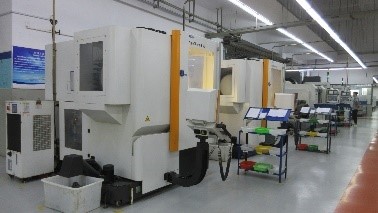
Multi-axis CNC milling produces joints, hinges, and orthopedic plates with dimensional tolerances down to ±0.01 mm.
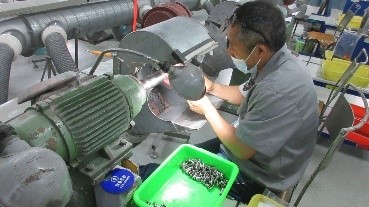
Multi-stage surface buffing eliminates burrs and micro-abrasions, resulting in smooth finishes that prevent dermal rubbing.
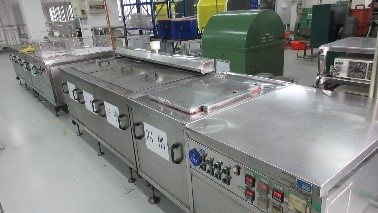
Immersive ultrasonic cavitation cleaning cleanses products in purified water, removing oils and manufacturing dust.
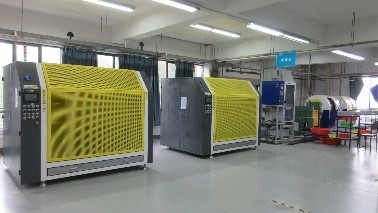
Fine secondary grinding secures the exact fit of interlocking mechanical components and joints within range-of-motion hinges.
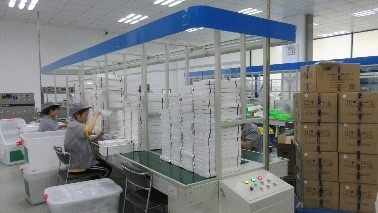
Assembly and protective packaging inside dust-controlled environments to keep medical-grade products contamination-free.
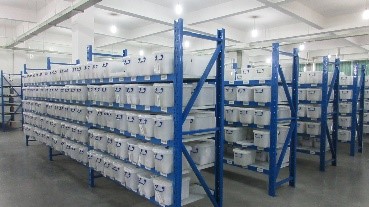
Climate-controlled storage and systematic palletizing ensure fast delivery to international logistics channels.
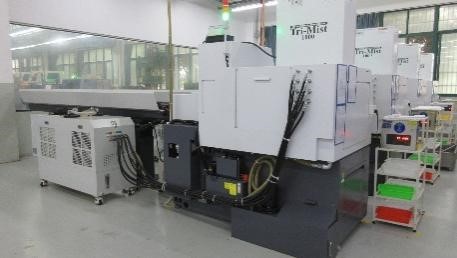
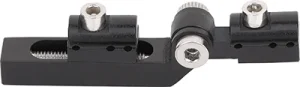
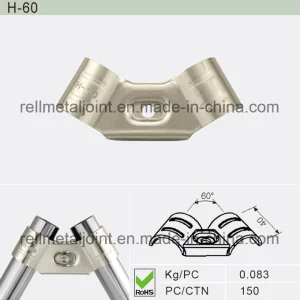
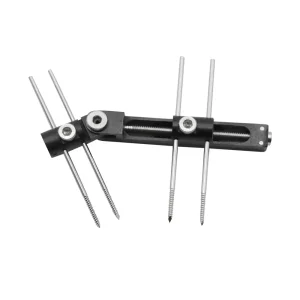
Our automatic lathes deliver rapid precision turnings, essential for scaling production of orthotic joints, connectors, and anchoring pins used in elbow external fixation setups.
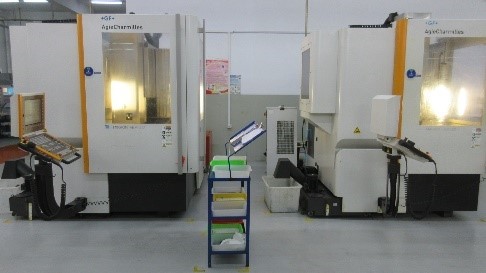
Handles complex design geometries for pediatric and bariatric customization, ensuring structural integrity and precise movement controls across various user biomechanics.
Collaborating with orthopedic institutions and international research organizations to foster continuous technological innovation and elevate surgical training paradigms.
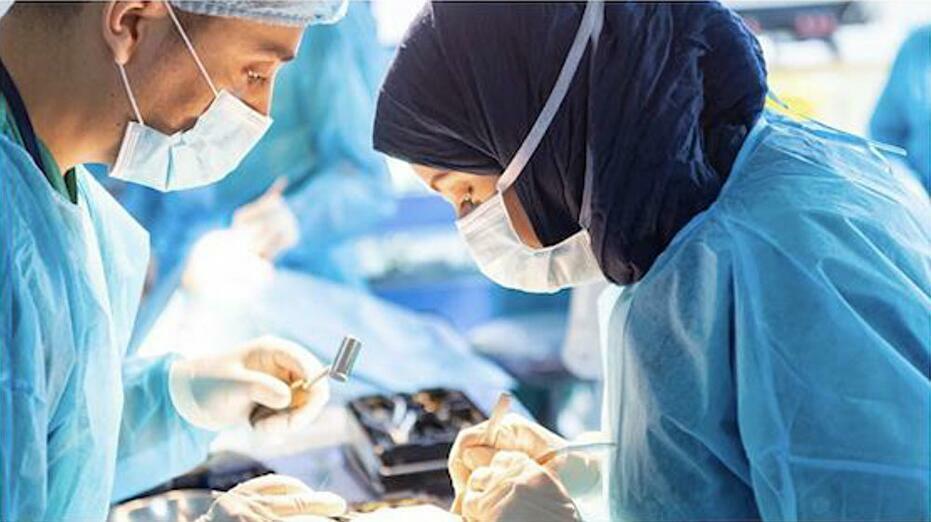
For more than 60 years, DePuy Synthes has partnered with the AO Foundation aiming to improve patient outcomes and build on our commitment to product and surgical innovation. Working together, we translate clinical feedback directly into refined designs, ensuring that surgical implants, external fixators, and external support orthoses harmonize with physiological recovery patterns.
Our engineering teams participate in surgical forums to assess the practical needs of modern operating rooms. This active feedback loop inspires our designs for lightweight orthopedic supports and elbow braces, aligning our manufacturing with the latest concepts in joint stability.
Supporting our partners in care is a key part of our mission. Whether that’s helping fund educational programs for the next generation of healthcare providers, providing medical kits for global healthcare missions, or supporting our industry partners to offer events for industry professionals, we’re dedicated to contributing to the advancement of healthcare across all verticals.
Through academic grants and sponsorships of surgical training facilities, we provide physical resources, educational workshops, and clinical models. This allows practitioners worldwide to gain hands-on practice with advanced fixation systems and rehabilitation braces before executing critical patient treatments.

How medical-grade elbow braces are deployed to optimize anatomical stability, mitigate workplace injury risks, and accelerate athletic rehabilitation.
Following invasive surgical interventions, such as distal humerus internal fixations or ligament reconstructions, joint stabilization is critical. Our adjustable ROM hinges allow surgeons to lock the joint at targeted angles, preventing tendon hyperextension during initial healing cycles.
In industrial environments and assembly lines, workers are prone to repetitive strain injuries (RSI) like lateral epicondylitis (tennis elbow). Compression-targeted elbow supports reduce muscle strain and vibrations, significantly lowering occupational injury rates.
Athletes engaged in throwing sports, tennis, or gymnastics experience high valgus stress on the elbow joint. Dynamic, non-restrictive brace systems supply external reinforcement, safeguarding the ulnar collateral ligament (UCL) from micro-tears.
Reviewing our manufacturing facilities, machinery capabilities, and rigorous inspection standards.
Our R&D team utilizes three-dimensional modeling and anatomical scanning to develop brace designs that trace the true biomechanics of human joints. This minimizes migration and slippage under load, maintaining stable positioning throughout long-term wear.
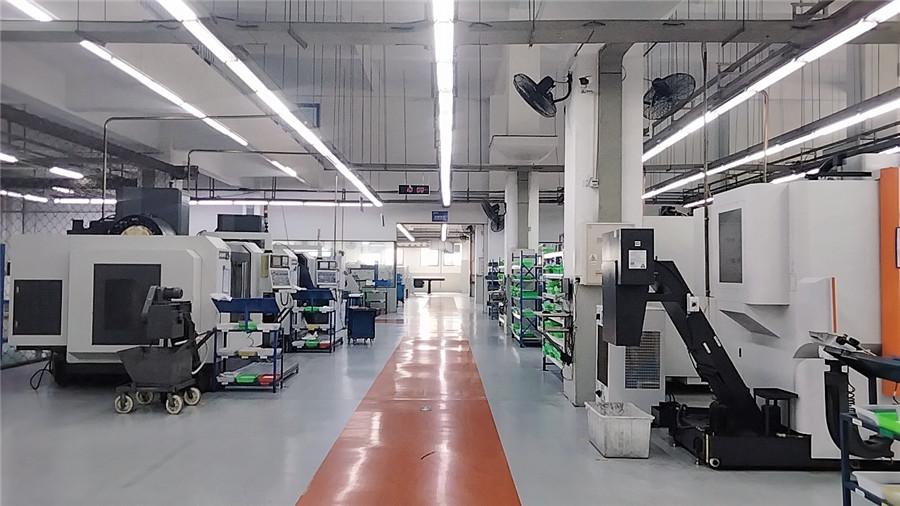
Components like high-tensile orthopedic plates and rigid supportive splints are calibrated for structural durability. This meticulous alignment is key to supporting bone structures and relieving weight distribution in both post-trauma systems and daily support models.
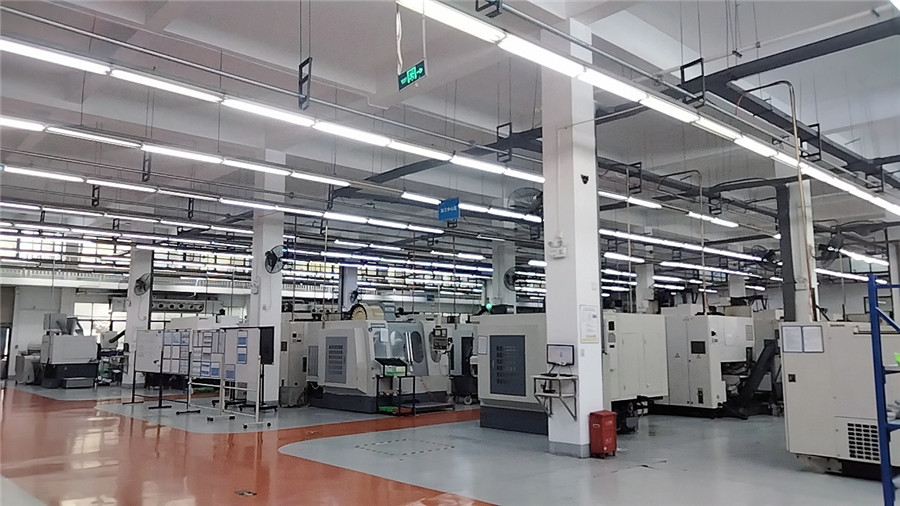
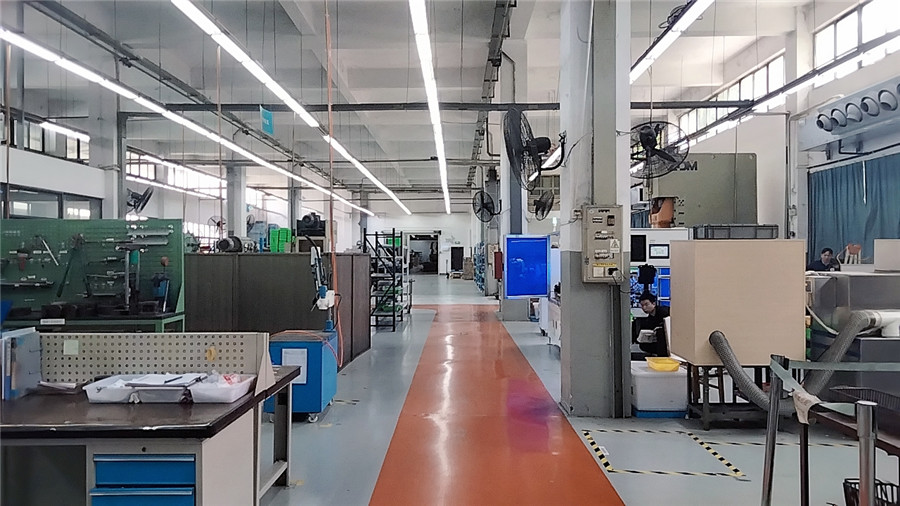
Robotic laser cutters trace raw materials to achieve precise dimension profiles prior to forming.
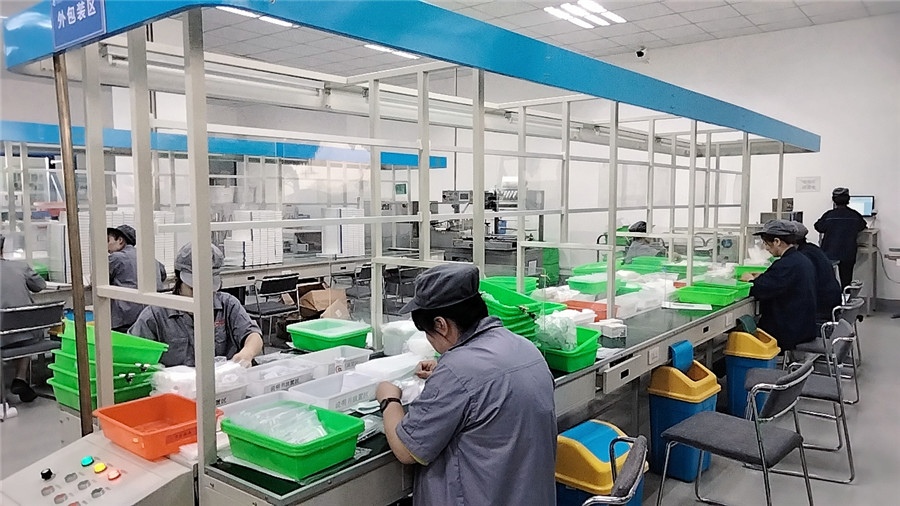
Continuous quality assessments track structural tolerances along automated production routes.
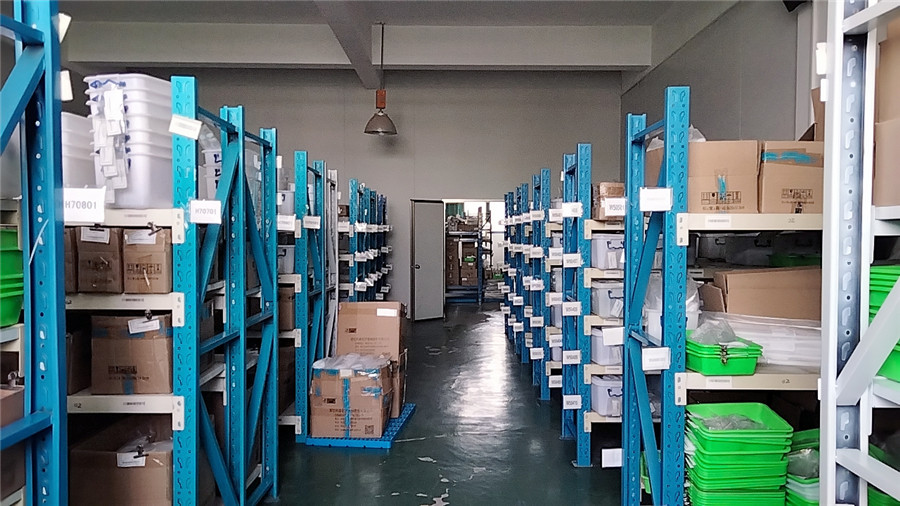
Finished hardware is prepared for integration with our soft, multi-layered padding systems.
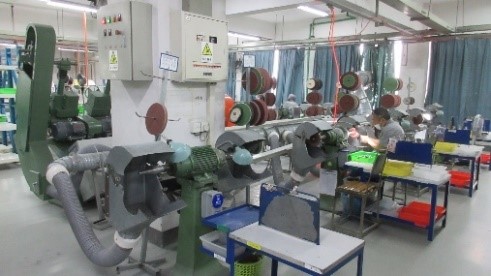
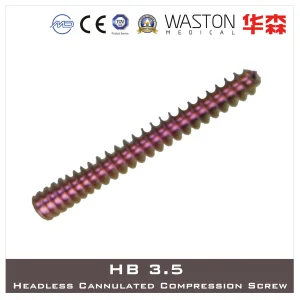
High-grade calibration equipment checks structural alignment on multi-axial screws and hinge pivots.
Beyond manual checks, our quality team uses computerized measurement machines to verify component geometry. By analyzing dimensions down to the micron level, we guarantee that every joint assembly operates smoothly and locks securely, minimizing failure rates in critical healthcare applications.
Whether we are manufacturing external fixation devices, titanium bone plates, or orthotic braces, this clinical focus ensures reliable support for recovering joints and anatomical structures.
Addressing key technical inquiries from medical distributors, orthopedic surgeons, and supply chain managers.
Our dynamic elbow braces utilize structural materials such as titanium alloys and 6061-T6 aluminum shells to achieve high strength-to-weight ratios. The soft lining uses hypoallergenic 3D spacer mesh fabrics and medical-grade perforated neoprene, ensuring breathability and reducing the risk of dermal irritation during extended wear.
Yes. All our orthopedic supports, external fixation components, and surgical hardware are manufactured in compliance with ISO 13485 quality systems. We maintain documentation to assist international buyers with FDA Class I/II filings, CE registration, and compliance with the European Medical Devices Regulation (MDR).
For standard orthotic brace configurations, our production lead time is typically 30 to 45 days, depending on batch volume and design complexity. If orders involve custom tooling for specialized polycentric hinges or custom-printed strap assemblies, the initial prototyping phase adds 2 to 3 weeks before mass production begins.
Every hinge design undergoes automated fatigue testing, enduring over 100,000 continuous flexion-extension cycles under loaded tension. The locking pins and angle stops are manufactured from hardened carbon steel alloys to prevent mechanical wear and maintain accurate alignment settings over long rehabilitation periods.
Yes, our engineering team can modify structural geometries to meet specific demographic needs. This includes scaling frame dimensions, modifying load ratings, and adjusting pressure zones to provide safe support and comfort for both pediatric and bariatric patients.
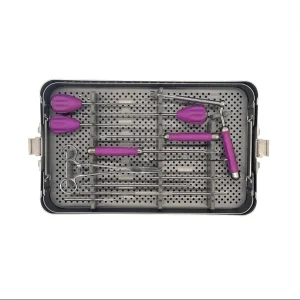
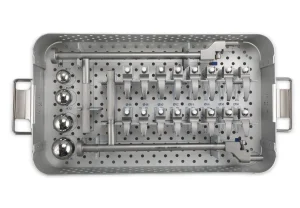
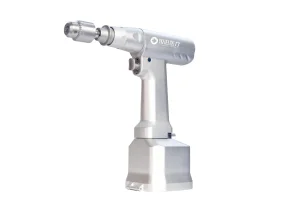
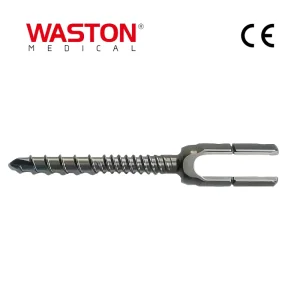
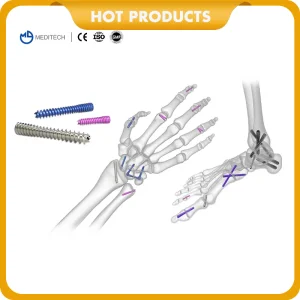
Discover our wide selection of orthopedic trauma plates, external fixation devices, compression screws, and professional surgical instrument sets.
 Nipa Orthopedic Implants