Direct from our advanced manufacturing facility. High-precision orthopedic solutions engineered to restore movement.
An in-depth perspective on modern orthotics, surgical compliance, and supply chain efficiency.
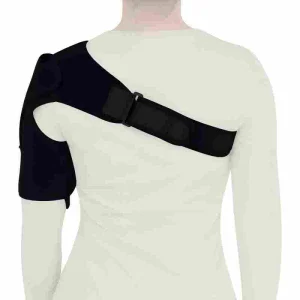
The global market for orthopedic hip braces and structural support systems has experienced a profound shift over the last decade. As modern medicine focuses more on minimally invasive interventions, early post-operative mobilization, and conservative care pathways, hip braces have evolved from passive, bulky support structures to active, biomechanically engineered rehabilitation assets. In search of the Top 10 Hip Braces Manufacturers and Factories, medical institutions, distributors, and bulk purchasers look beyond raw material assembly to analyze technical competency, materials innovation, compliance structures, and raw production capacity.
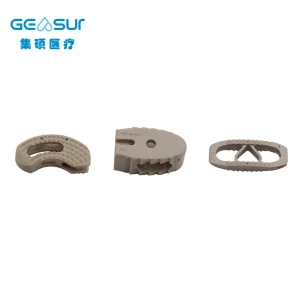
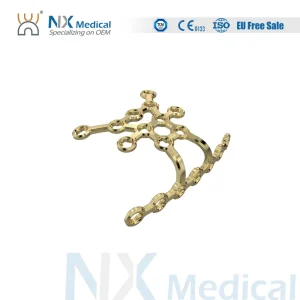
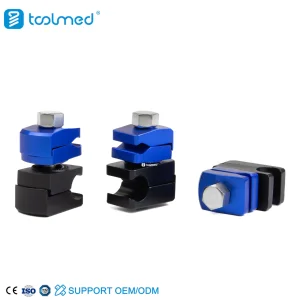
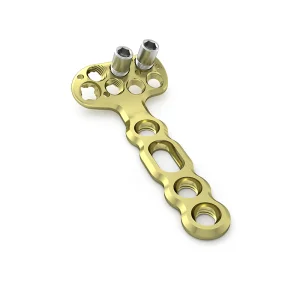
This whitepaper serves as an authoritative guide, analyzing the manufacturing technologies, materials engineering, global distribution frameworks, and regulatory criteria that define tier-one factories. Furthermore, we examine the integration of spinal implants, trauma fixation systems, and joint reconstruction technologies, highlighting their mutual dependence on the high-grade materials and biocompatibility standards foundational to advanced orthopedics.
The integration of smart systems, advanced polymers, and patient-centric designs in modern orthotics.
The transition from heavy metallic structural elements to high-performance thermoplastic polymers like PEEK and carbon-fiber composite matrixes. These materials reduce the overall weight of the brace while ensuring structural rigidity and durability under cyclic load patterns.
Modern ROM (Range of Motion) hinges utilize intelligent locking mechanisms designed to limit abduction, adduction, flexion, and extension according to precise post-operative surgical plans. Smart dials allow quick, tamper-proof adjustments by certified medical practitioners.
Incorporating perforated, moisture-wicking foam laminates and antimicrobial fabrics. These fabrics minimize skin breakdown, shear force friction, and bacterial build-up during long-term immobility or recovery phases, direct clinical benefits for the patient.
Global procurement teams in hospital networks, medical logistics firms, and international distribution agencies operate on strict metrics. Sourcing hip braces, orthopedic implants, and joint stabilization units requires factories to pass comprehensive quality validation processes.
We design our operational workflows to address these priorities. This provides institutional buyers with transparency, traceablity, and reliability across all production runs.

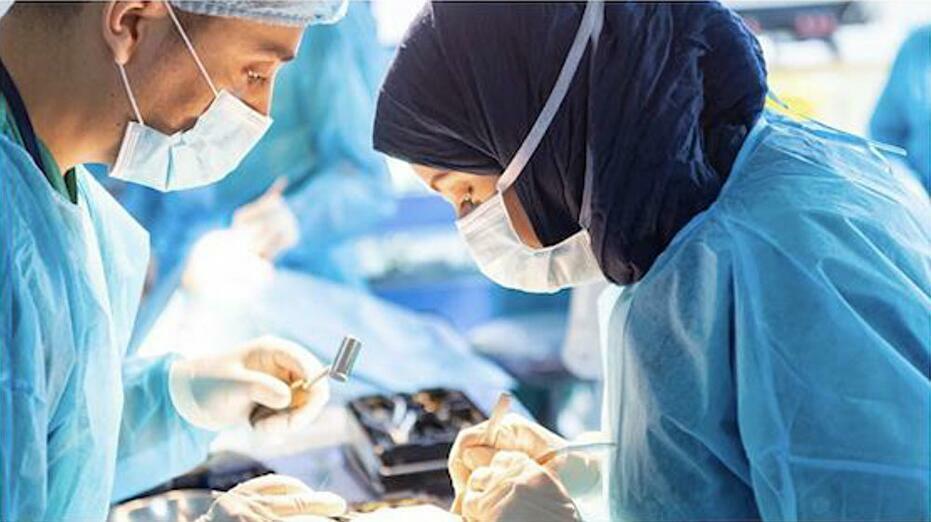
For more than 60 years, clinical leaders have partnered with pioneering institutions like the AO Foundation aiming to improve patient outcomes and build on a shared commitment to product and surgical innovation. By bridging the gap between clinical research and factory floor production, modern orthopedic implants and braces conform precisely to clinical realities.
We have one of the most comprehensive orthopaedics portfolios in the world, helping to heal and restore movement for millions of patients. Our products span various specialties, including joint reconstruction, trauma, craniomaxillofacial, spinal surgery, and sports medicine. Building on our legacy of industry firsts, we honor our commitments to quality and innovation while creating a future where it's easier than ever before to keep people moving.
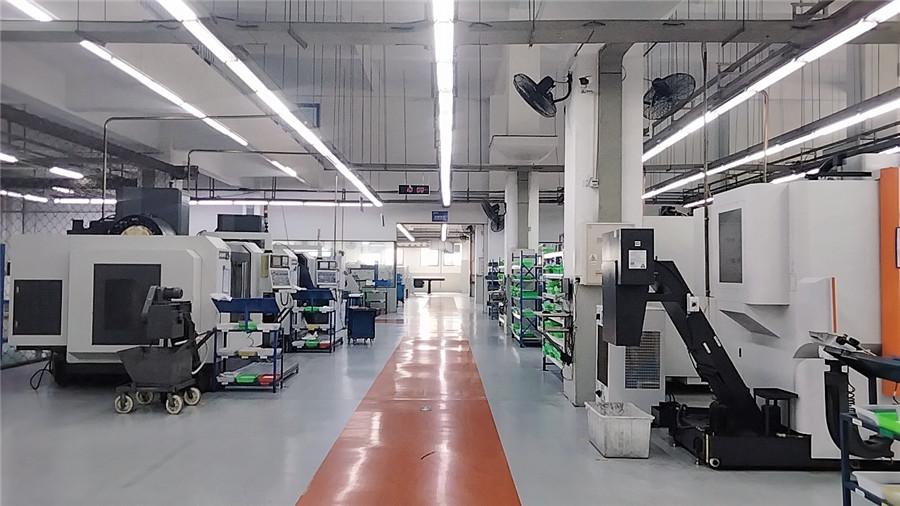
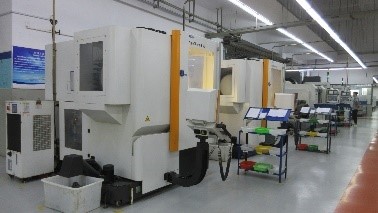
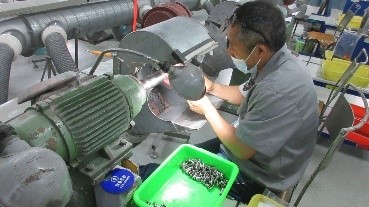
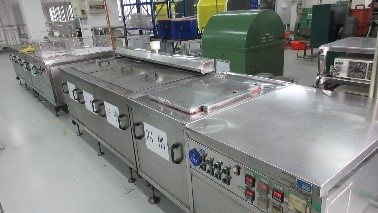
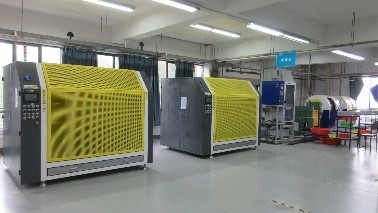
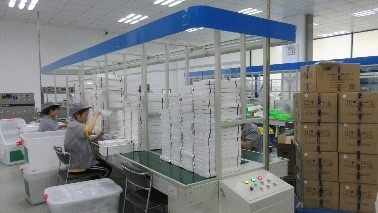
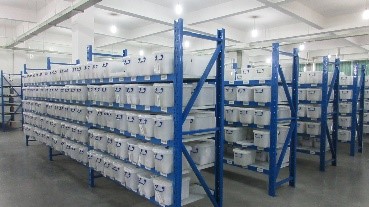
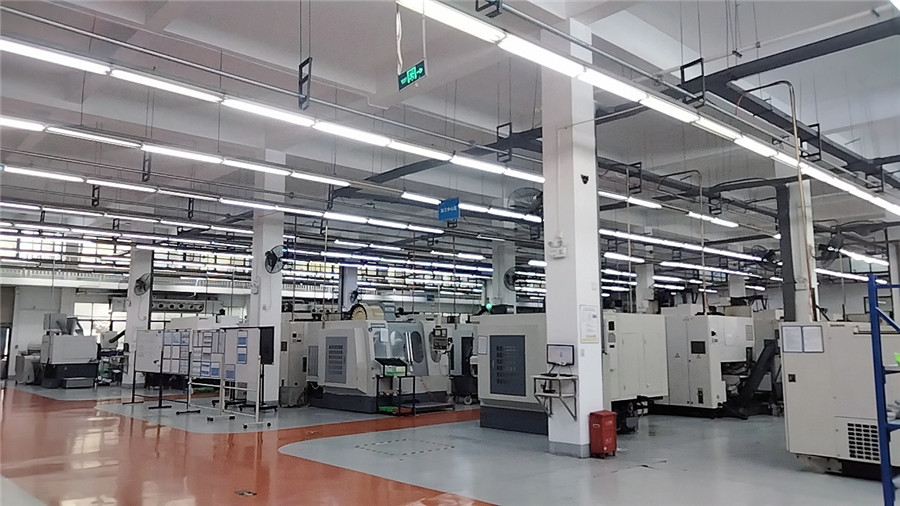
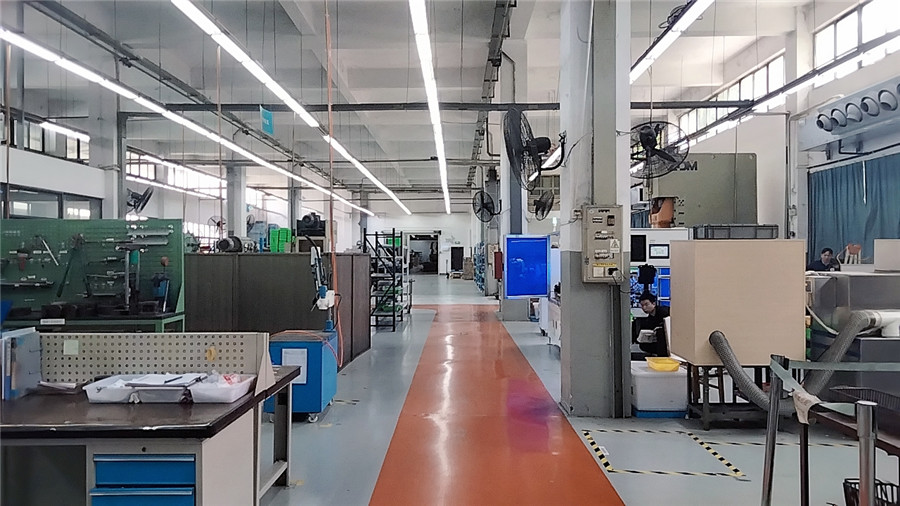
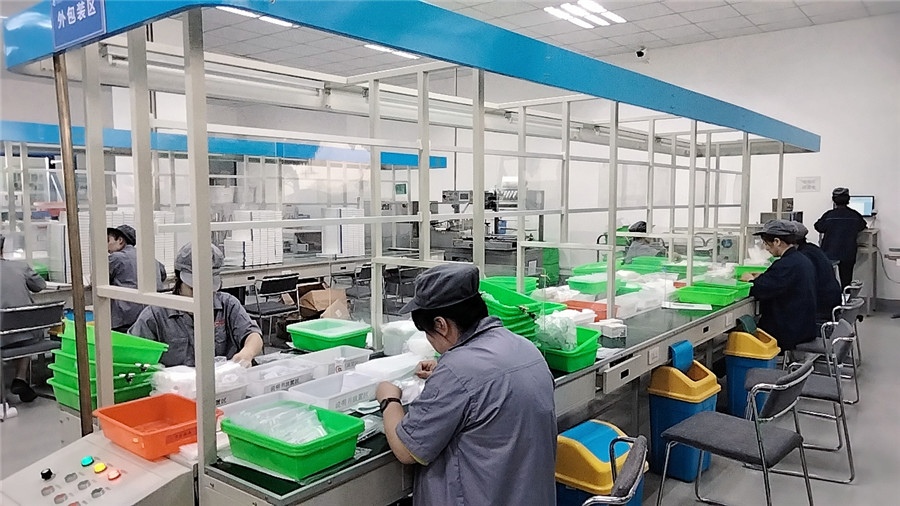
Inside an ISO-Certified manufacturing line: from raw medical-grade material to validated sterile packaging.
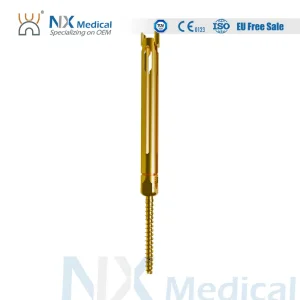
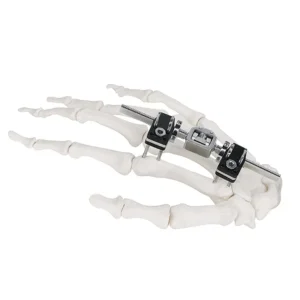
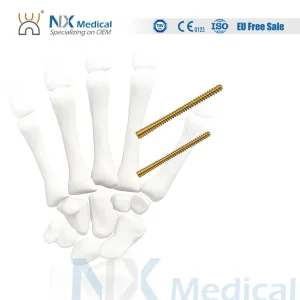
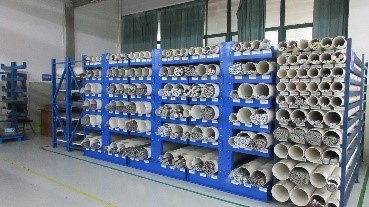
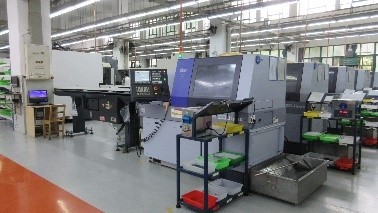
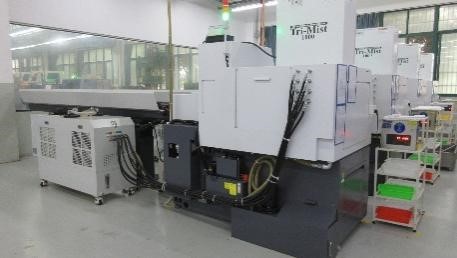
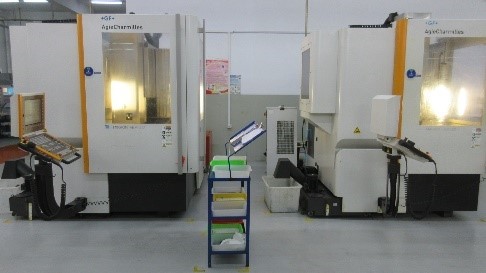
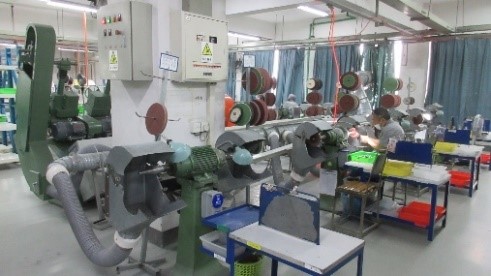
The production of orthopedic devices—whether complex external fixators, pediatric hip orthoses, titanium pedicle screws, or compression devices—demands strict tolerances. In our advanced facilities, we maintain traceability from the raw material phase through longitudinal cutting, high-speed CNC milling, automated grinding, and polishing.
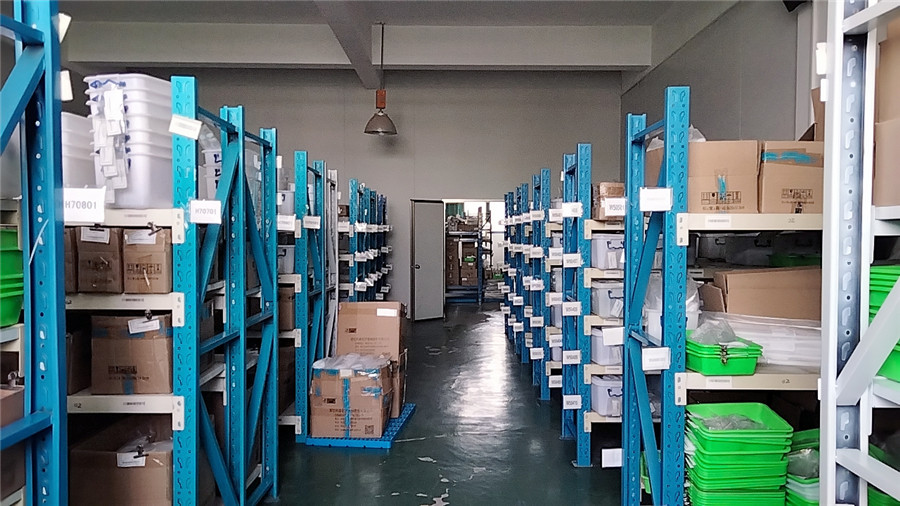
We wash each product utilizing validate multi-stage ultrasonic systems, which removes surface micro-impurities without altering material properties. After cleaning, components are packaged in cleanroom conditions and stored in climate-controlled warehouses.
A commitment that guides our environmental footprint, community support, and product lifecycle integrity.
"Our Credo challenges us to put the needs and well-being of the people we serve first. That means we are responsible to the communities in which we live and work and the global community as a whole."
We must act as responsible citizens, supporting civic improvements, better health outcomes, and education. We maintain the property we are privileged to use by taking active measures to protect the environment and preserve natural resources.
Answering critical technical, clinical, and logistics questions from professional medical procurement agents.
For functional rigidity, modern factories use high-grade structural alloys (such as Aircraft-grade Aluminum 6061-T6 or Ti-6Al-4V titanium alloys) combined with performance polymers (PEEK and carbon fiber). Standard orthoses utilize reinforced Polyethylene (PE) or Polypropylene (PP) panels. Titanium provides the highest strength-to-weight ratio and bio-compatibility, while PEEK offers radiolucency, allowing clear postoperative X-ray evaluations without removing the device.
Leading manufacturers maintain a Quality Management System aligned with ISO 13485:2016 guidelines. For the US market, products are registered under FDA 21 CFR Part 820 Quality System Regulations (QSR) and require 510(k) filing for Class II devices. For the European Economic Area, products must be CE marked according to the Medical Device Regulation (EU) 2017/745 (MDR). This structure ensures traceability from raw metal batches to final sterilization batches.
Our factory provides comprehensive OEM and ODM support for orthopedic hinges. This process utilizes advanced CAD/CAM modeling, finite element analysis (FEA) to simulate load bearing, and rapid CNC prototyping. Custom hinge designs can include specific flexion/extension limits (e.g., adjustments at 10 to 15-degree increments), quick-release locking buttons, or custom branding integrated directly into the structural casing.
Standard lead times for high-volume orders vary from 30 to 45 days, depending on custom branding and packaging configurations. In-stock products or standard configurations can be dispatched within 7 to 10 working days. We coordinate shipments via major maritime hubs and offer airfreight options for critical inventory demands. All products are packed in moisture-resistant and shockproof packaging to protect structural integrity during transit.
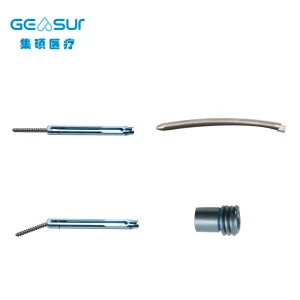
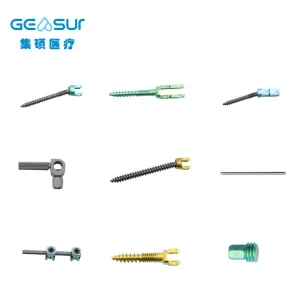
Complete surgical instrumentation and implants constructed to the highest global standards.
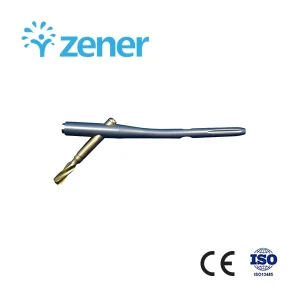
 Nipa Orthopedic Implants