High-precision orthopedic, maxillofacial, and spinal fixation systems engineered for optimal anatomical integration and structural durability.
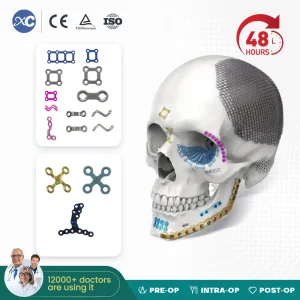
Our clinical metrics, global certifications, and extensive manufacturing footprint represent our dedication to global standard healthcare solutions.
We have one of the most comprehensive orthopaedics portfolios in the world, we help heal and restore movement for millions of patients. Our products span various specialties, including joint reconstruction, trauma, craniomaxillofacial, spinal surgery, and sports medicine.
Building on our proud legacy of industry firsts, we are honoring our commitments to quality and innovation while creating a future where it's easier than ever before to keep people moving. We are inspired to be good citizens of the world, prioritizing patient outcomes while ensuring our industrial supply chain satisfies global orthopedic clinical requirements.
"Our Credo challenges us to put the needs and well-being of the people we serve first. That means we are responsible to the communities in which we live and work and the global community as a whole."
We must be good citizens, encourage civic improvements, better health and education, and maintain the property we are privileged to use by protecting the environment and its natural resources. In terms of our engineering practices, this means implementing eco-efficient waste reduction in PEEK and titanium processing and enforcing ISO 14001 environmental protocols.

At DePuy Synthes, supporting our partners in care is a key part of our mission. Whether that’s helping fund educational programs for the next generation of healthcare providers, providing medical kits for global healthcare missions, or supporting our industry partners to offer events for industry professionals, we’re dedicated to contributing to the advancement of healthcare across all verticals.
Learn More About Grants & GivingDeep insights into spinal fusion manufacturing technology, raw materials trends, and regulatory changes affecting global supply chains.
The global spinal fusion market has witnessed a paradigm shift in the materials utilized for interbody fusion cages. Historically, titanium dominated the surgical space due to its remarkable mechanical strength and biocompatibility. However, titanium's high elastic modulus compared to human host bone often led to stress shielding and potential implant subsidence.
This led to the widespread adoption of Polyetheretherketone (PEEK). PEEK possesses an elastic modulus that closely mirrors that of trabecular bone, drastically mitigating subsidence rates and allowing for unobstructed postoperative radiographical assessment due to its radiolucency. Despite these benefits, pure PEEK is bioinert, which can sometimes lead to fibrous encapsulation rather than direct osseointegration.
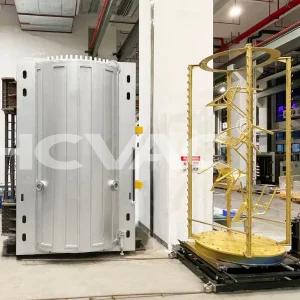
To bridge this technological gap, advanced manufacturers in China have commercialized Titanium-coated PEEK implants and porous 3D-printed titanium cages. By deploying Physical Vapor Deposition (PVD) coating systems, factories can layer a microscopic, highly adherent bio-conductive titanium coating onto a PEEK substrate. This hybrid design combines the modulus-matching properties of PEEK with the osteoconductive advantages of titanium, stimulating rapid osteoblast proliferation and secure osseointegration at the bone-implant interface.
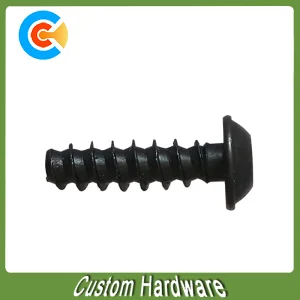
International medical device distributors and hospital procurement groups face stringent regulatory pressures, shipping delays, and escalating raw material costs. Finding a reliable OEM/ODM partner in China that handles both bulk manufacturing and meticulous quality control is paramount. B2B buyers look for factories that can provide batch-to-batch consistency, complete material traceability certificates (such as medical-grade titanium ELI bars and biocompatible PEEK resins from certified global suppliers like Invibio), and dynamic production capacities that accommodate custom pedicle screw dimensions or specialized thread profiles (e.g., dual-lead threads for superior pull-out strength).
Furthermore, post-pandemic logistics demand that suppliers maintain robust raw material safety stocks and possess vertically integrated production flows. A factory that controls every process—from raw material cutting and longitudinal CNC turning to cleanroom washing and double-sterile barrier packaging—significantly reduces lead times, cuts logistical hand-off risks, and lowers total cost of ownership (TCO) for global distributors.
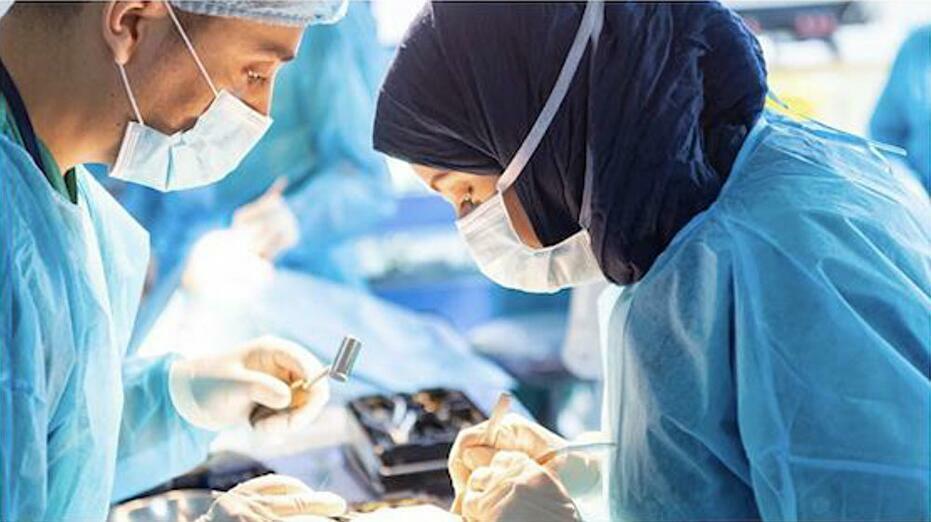
For more than 60 years, DePuy Synthes has partnered with the AO Foundation aiming to improve patient outcomes and build on our commitment to product and surgical innovation.
By learning from clinical leaders and adhering to the foundational AO principles of internal fixation (anatomical reduction, stable fixation, preservation of blood supply, and early active mobilization), modern orthopedic manufacturing plants aim to duplicate these high standards of precision engineering in every pedicle screw, spinal plate, and rod system shipped worldwide.
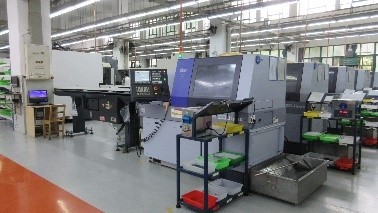
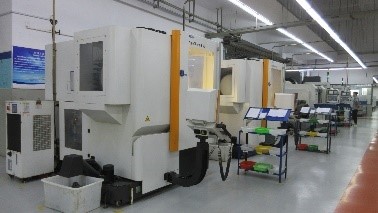
Our products are fabricated on state-of-the-art multi-axis Swiss CNC lathes and undergo strict mechanical fatigue testing according to ASTM F1717 and ASTM F2077 standards to simulate years of physiological loading inside the human spine.
Learn More About the PartnershipOur manufacturing pipeline is a testament to technological precision. We maintain an unbroken chain of tracking, verification, and inspection for each medical component produced.
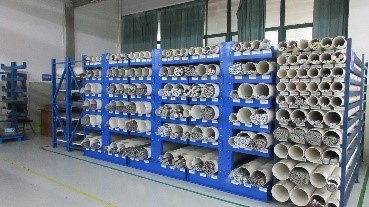
Medical-grade Ti-6Al-4V ELI & PEEK testing.
Initial bar stock sizing and processing.
Multi-axis precision swiss lathe threading.
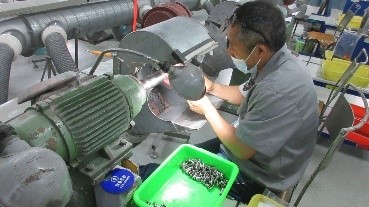
Eliminating micro-burrs and polishing surfaces.
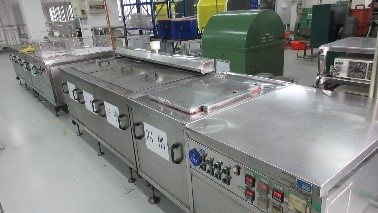
Deep solvent cleaning of residual process oils.
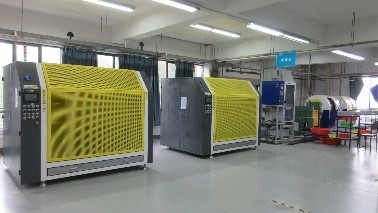
Fine-dimensional alignment of surgical threads.
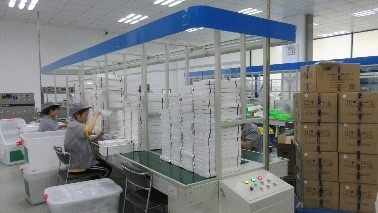
ISO Class 7 cleanroom double sterile packing.
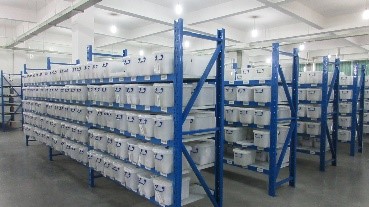
Sterility-maintained warehouse warehousing.
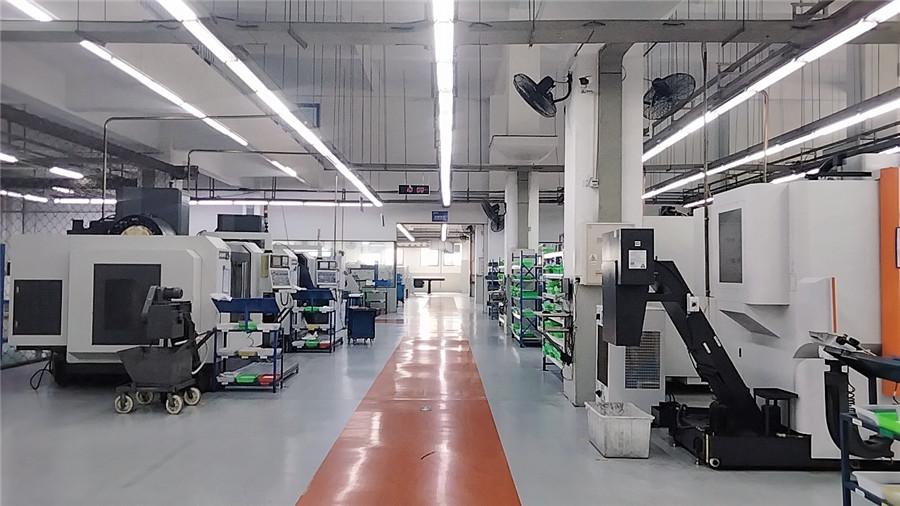
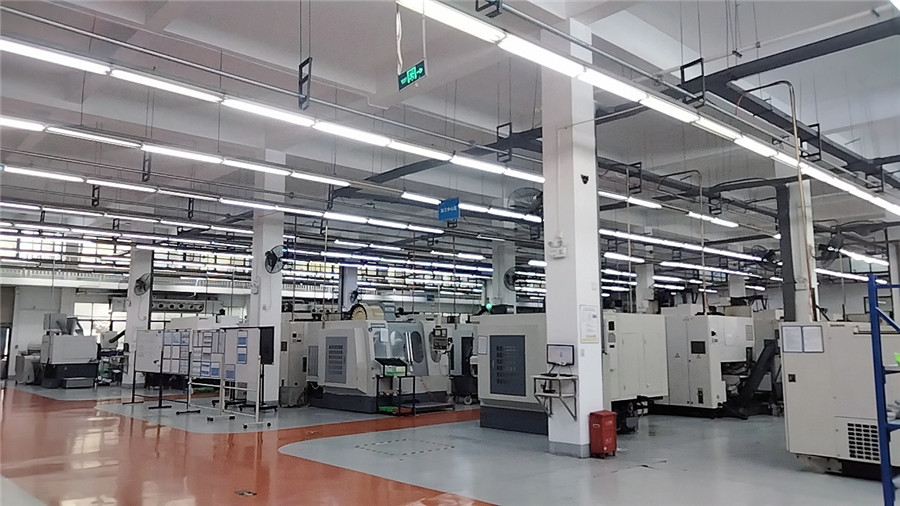
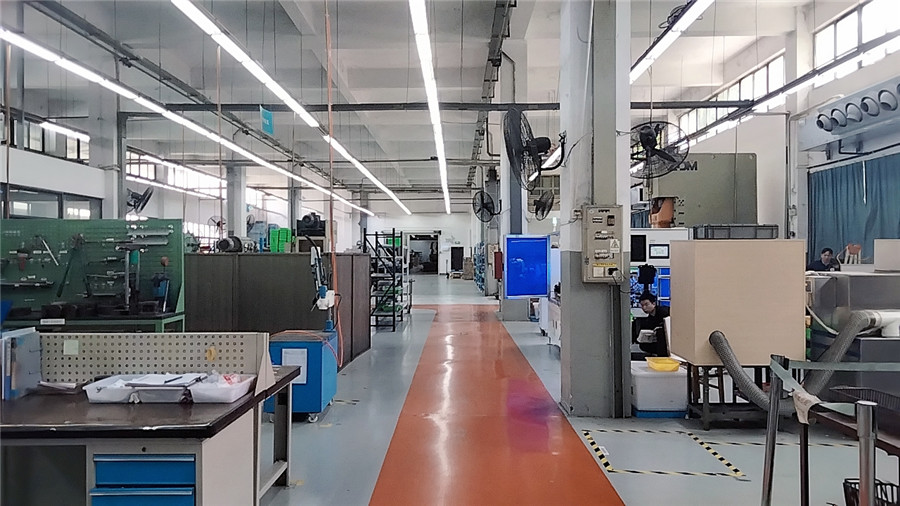
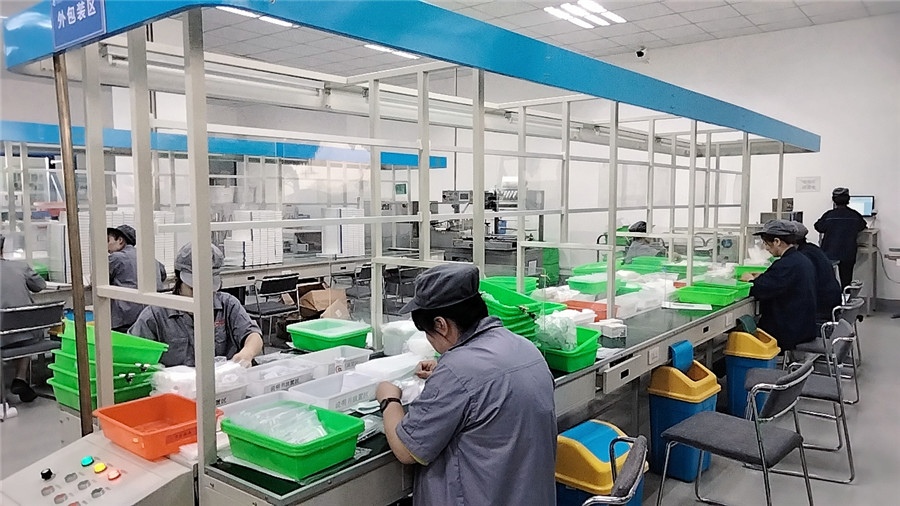
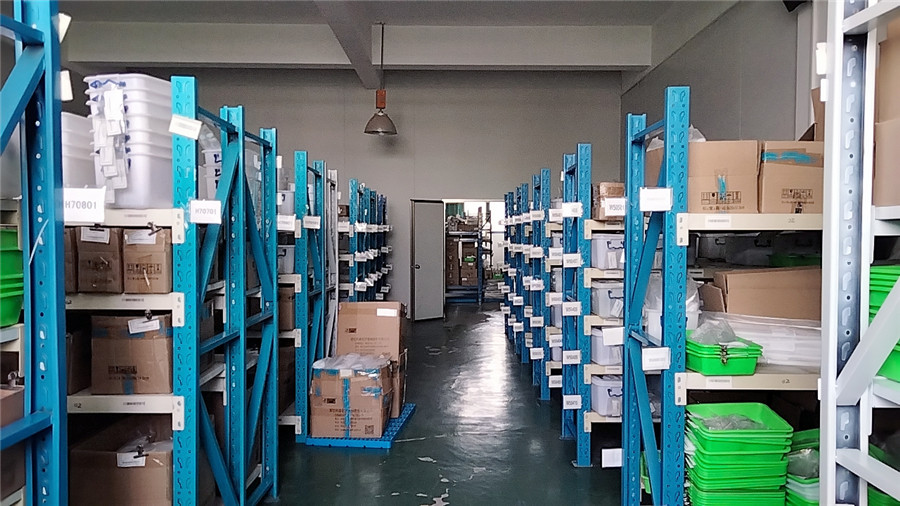
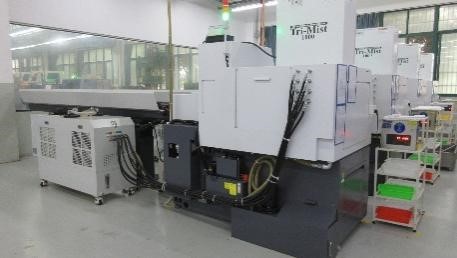
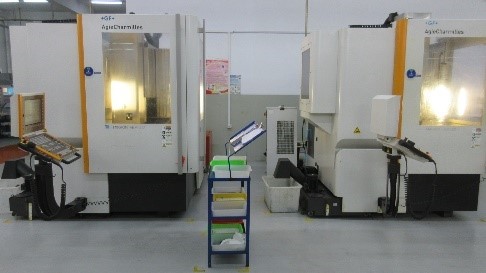
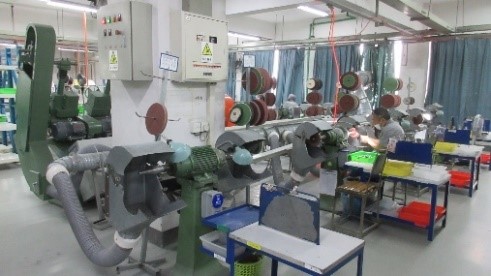
Mitigating compliance risk while ensuring high quality surgical device delivery across North American, European, and Latin American medical markets.
Entering international healthcare markets requires absolute alignment with complex regulatory frameworks. In the United States, class II and class III spinal implants must clear the FDA 510(k) pathway, calling for extensive mechanical testing data that compares the new device with predicate implants. In Europe, the transition from MDD to MDR (Medical Device Regulation 2017/745) has raised the clinical data requirements significantly. Manufacturers must present extensive Clinical Evaluation Reports (CER) and construct rigorous Post-Market Clinical Follow-up (PMCF) systems to maintain CE mark status.
Our manufacturing partner sites utilize ISO 13485-compliant Quality Management Systems (QMS) that document every phase of the device life cycle. From the design input and risk analysis (FMEA) to validation testing, packaging validation (ISO 11607), and bioburden monitoring, our global partners receive complete registration-dossier support, including technical files structured for rapid review by notified bodies.
The roadmap for spinal fusion systems points toward customization and biologic integration. Emerging technologies such as patient-specific interbody fusion cages, designed using preoperative CT scan data and fabricated using 3D metal printing (Selective Laser Melting - SLM), allow for exact restoration of patient lordosis and sagittal balance. These customizable implants also include customized trabecular structures to optimize mechanical load distribution and bone ingrowth.
On the horizon, "smart implants" featuring embedded micro-sensors are being developed to monitor spinal strain and fusion progression in real time. Our engineering pipelines focus on validating advanced surface treatments, such as hydroxyapatite (HA) coating and plasma spraying, to decrease postoperative recovery timelines and improve fusion success rates for geriatric patients with osteoporotic bone tissue.
Essential technical and commercial information for medical device buyers, distributors, and orthopedic sourcing managers.
We utilize high-grade Titanium Alloy (Ti-6Al-4V ELI) conforming to ASTM F136 and medical-grade PEEK (Polyetheretherketone) from leading suppliers like Invibio. These materials provide optimal biocompatibility, mechanical fatigue limits, and diagnostic clarity under postoperative MRI and CT scanning.
Our partner factories are certified under ISO 13485 (Medical Devices QMS). The manufacturing and packaging workflows follow cleanroom specifications (ISO Class 7 / Class 10,000 cleanroom environments). Many products hold CE marks and FDA 510(k) clearance depending on the product family.
Yes, we provide comprehensive OEM/ODM support, including customized implant dimensions, surface treatments (e.g., SLA, PVD titanium coating on PEEK), and custom sterile double-barrier blister packing with localized labeling to meet national regulatory requirements.
Implants undergo rigorous mechanical fatigue testing in accordance with ASTM F1717 (for spinal construct assemblies) and ASTM F2077 (for interbody fusion devices). We monitor static compression, dynamic compression shear, and torsion properties to prevent in-vivo failure.
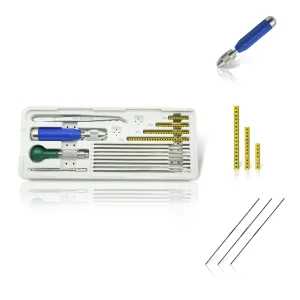
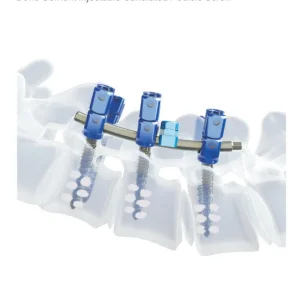
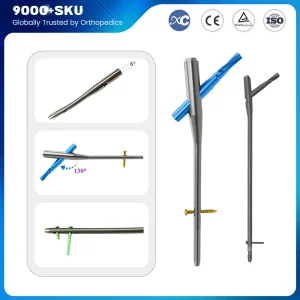
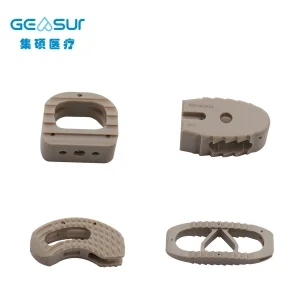
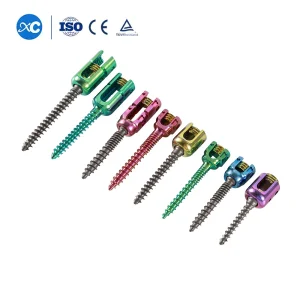
Our complete catalog features specialized fixation hardware designed to ensure optimal surgical success and structural biomechanical stability.
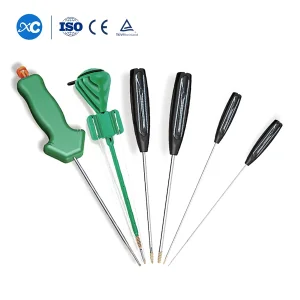
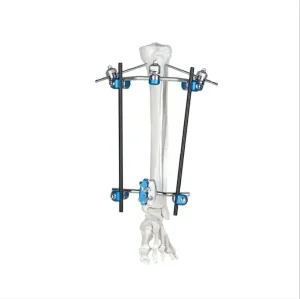
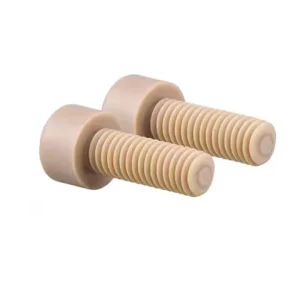
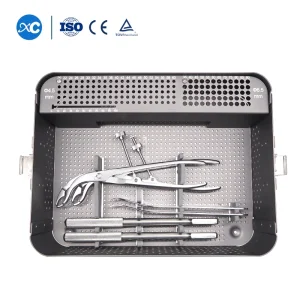
 Nipa Orthopedic Implants