 Nipa Orthopedic Implants

Comprehensive Guide to the Distal Lateral Femur Plates Industry
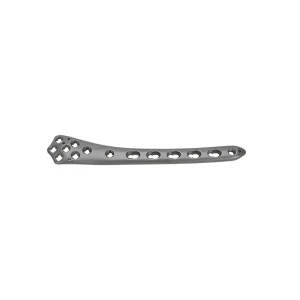
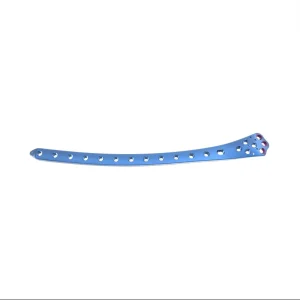
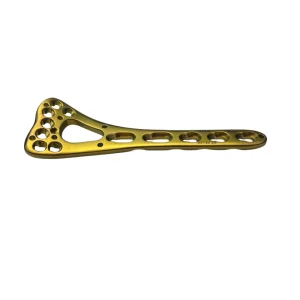
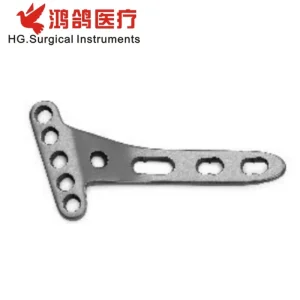
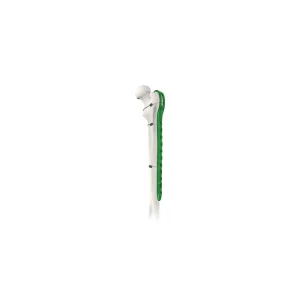
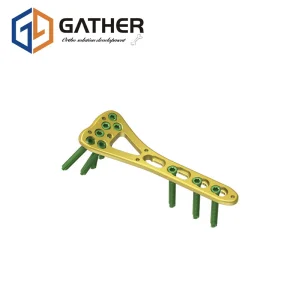
When discussing the Top 10 Distal Lateral Femur Plates Manufacturers, it is essential to look beyond just the names. This industry is at the intersection of high-stakes surgery and aerospace-grade engineering. Distal femoral fractures are among the most challenging injuries to manage, often requiring a lateral approach with stable internal fixation. The lateral locking plate has revolutionized the treatment of these fractures, particularly in the distal third of the femur.
Global Industrial Trends: The Shift Towards Biomechanics
Manufacturers are no longer just making "plates"; they are designing biomechanical solutions. The trend is moving toward Polyaxial Locking Systems. Traditional mono-axial locking plates allowed screws to be placed in only one direction. However, modern multi-axial plates allow surgeons to angle screws to capture specific bone fragments, which is crucial for complex comminuted fractures.
Localization and Patient Diversity
One size does not fit all. Manufacturers are now producing "Anatomical Pre-contoured" plates that match the average skeletal structure of different ethnic groups. For instance, plates designed for Western populations might differ slightly in curvature from those intended for Asian markets. As a leading exporter from China, our factory uses big data from clinical scans to optimize the contouring of our plates, ensuring they fit more than 98% of patients without the need for intraoperative bending.
The Importance of Material Science
Titanium remains the king of orthopedic materials. Its modulus of elasticity is closer to that of human bone than stainless steel, reducing the "stress shielding" effect that can lead to bone resorption. Our Titanium Distal Femoral Implants are treated with specialized surface anodization to improve wear resistance and reduce the risk of infection.
Sourcing from China: Quality Meets Value
Global procurement teams from Europe, the Middle East, and Africa are increasingly looking toward China. Why? Because the quality gap has closed while the price advantage remains. By integrating AI-driven quality control and automated CNC lines, we provide implants that meet every international benchmark (CE, ISO 13485) at a fraction of the cost of traditional global giants. This allows hospitals to allocate budgets toward other critical areas like patient rehabilitation and nursing care.