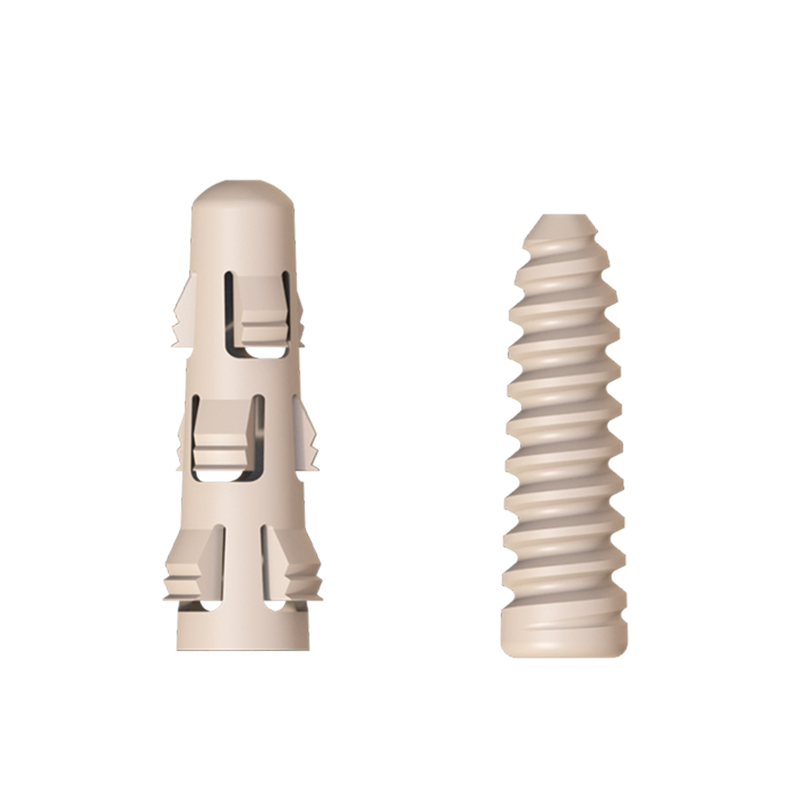
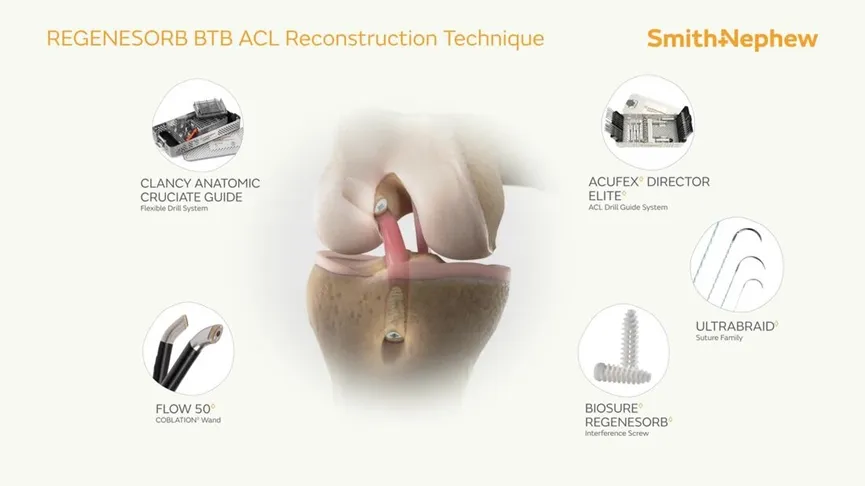
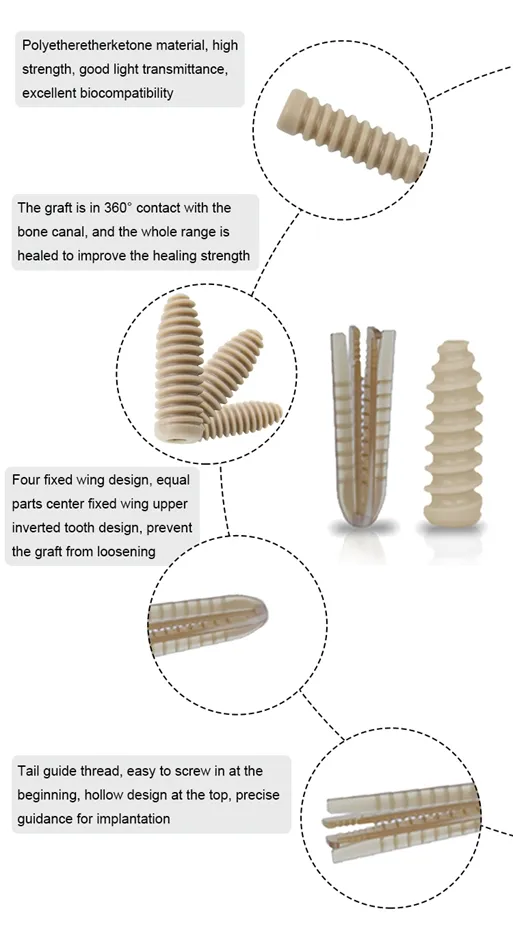
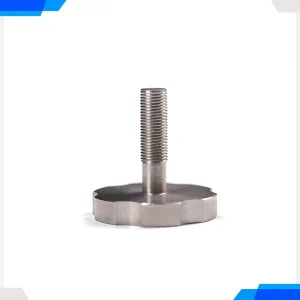
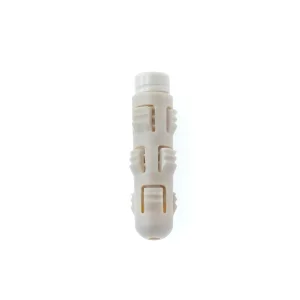
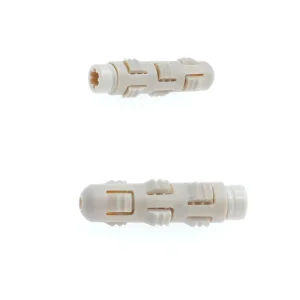
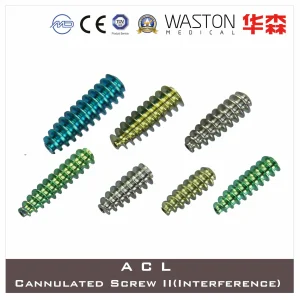
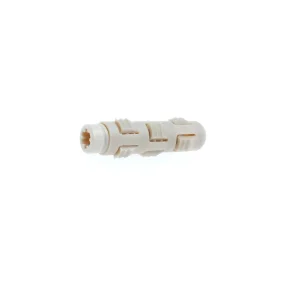
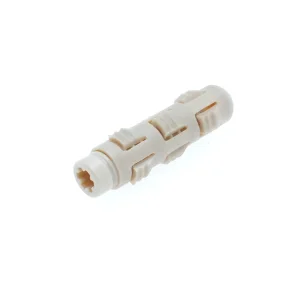
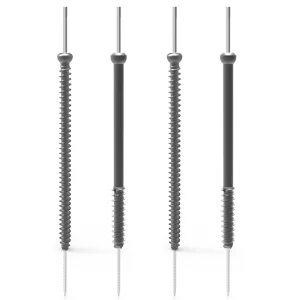
The Interface Screw is designed for use in ACL reconstruction surgeries to secure tendon or ligament grafts in the femoral and tibial bone tunnels. It provides a strong and reliable fixation by compressing the tendon or ligament graft directly against the bone tunnel wall.
The system is made from PEEK (Polyetheretherketone), a biocompatible material that mimics the elasticity of natural bone, ensuring superior performance during the healing process. It includes a conical screw for easy insertion and a protective sheath that shields soft tissue.
This Interface Screw System is primarily used for ACL reconstruction surgeries, where it provides secure fixation for soft tissue grafts or bone-tendon grafts in the knee joint, ensuring effective healing and recovery.
?
Frequently Asked Questions
Q: Could you provide some details on the shipping methods and associated costs?
A: We typically utilize courier services for shipping, but we can also accommodate postal services upon request. Shipping costs are determined by destination, package size, and weight.
Q: Are your products certified with ISO 13485?
A: Yes, the production processes hold EN ISO 13485 certification, ensuring products meet stringent requirements for safety and performance in the medical device industry.
Q: What is the minimum order quantity (MOQ) for these screws?
A: Our standard minimum order value is US$1000. However, we offer sample orders at cost upon request for evaluation before committing to larger orders.
Q: Can we purchase products not currently listed in the catalogue?
A: Yes, custom orders are possible. Provide pictures or samples of the desired product, and we will work to create a similar item. Note that custom orders may have longer lead times.
Q: Do you maintain stock for the listed products?
A: Stock is maintained for most catalogue products with regular monthly production cycles. Availability can vary based on demand, so please consult for real-time inventory.
Q: What is the advantage of using PEEK material for interference screws?
A: PEEK offers excellent biocompatibility and a modulus of elasticity similar to natural bone, which helps in better integration and stress distribution during graft healing.
 Nipa Orthopedic Implants