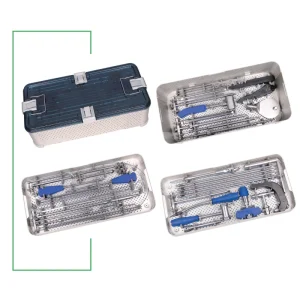
Explore our leading surgical fixation solutions developed under rigid clinical benchmarks and manufacturing compliance.
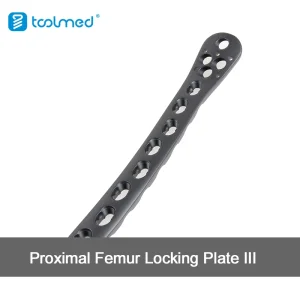
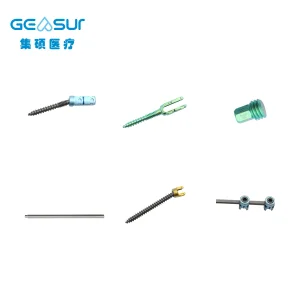
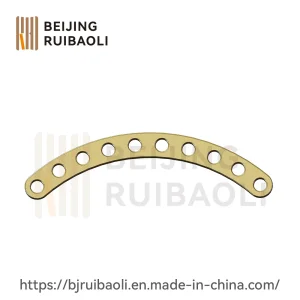
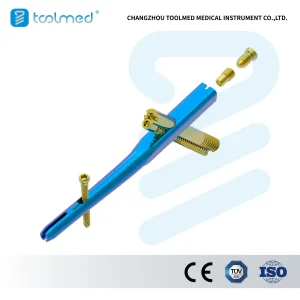
As a leading global bone plates manufacturer and contract development partner, we are committed to engineering implantable solutions that restore biomechanical mobility and support anatomical healing. Modern traumatology demands high-precision osteosynthesis implants capable of offering mechanical stability, minimizing soft-tissue disruption, and accelerating vascular recovery. Our factory utilizes cutting-edge manufacturing protocols to supply orthopedic surgeons and healthcare institutions with superior plate-and-screw constructs that adhere to strict biomechanical principles.
Our OEM/ODM solutions span an extensive clinical footprint. We recognize that reconstructive and trauma procedures present varied anatomical layouts requiring specialized designs. From contoured locked reconstruction plates to dynamic compression assemblies, our manufacturing flexibility supports customized dimensions, screw hole layouts, and surface texture modification. By combining high-grade medical metallurgy with advanced CAD/CAM processes, we deliver orthopaedic systems that empower clinical confidence worldwide.

We believe we have one of the most comprehensive orthopaedics portfolios in the world. We help heal and restore movement for millions of patients. Our products span various specialties, including joint reconstruction, trauma, craniomaxillofacial, spinal surgery, and sports medicine. Building on our proud legacy of industry firsts, we are honoring our commitments to quality and innovation while creating a future where it's easier than ever before to keep people moving.
We are inspired to be good citizens of the world. Our Credo challenges us to put the needs and well-being of the people we serve first. That means we are responsible to the communities in which we live and work and the global community as a whole. We must be good citizens, encourage civic improvements, better health and education, and maintain the property we are privileged to use by protecting the environment and its natural resources.
Learn More About Our Grants & Giving Programs →Synthesizing emerging research, manufacturing standards, and clinical pathways for the modern orthopedics industry.
Transitioning from pure Grade 2 Titanium to high-strength titanium alloys (Ti-6Al-4V ELI) and PEEK composites. Our R&D focuses on surface treatments such as type II anodization, micro-arc oxidation, and acid-etched topographies to improve osseointegration rates and reduce bacterial colonization risk.
Global markets require precise alignment with regulatory landscapes. We coordinate continuous validation strategies corresponding to the European Medical Device Regulation (MDR 2017/745), US FDA 510(k) clearances, and ISO 13485 quality systems, ensuring flawless supply chain security.
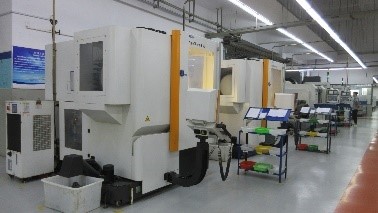
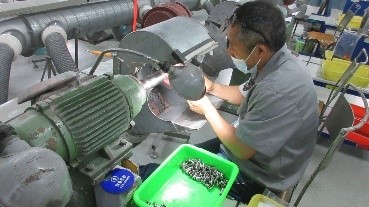
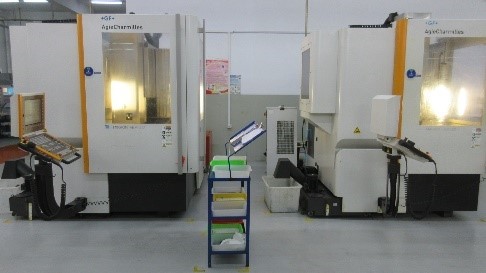
Our agile ODM program dramatically shortens cycles from design verification to sterile packaging. Operating advanced multi-axis CNC machines and robotic polishing suites, we satisfy large-scale hospital tenders and regional distributor networks with rapid batch production.
For more than 60 years, pioneering collaborations with organizations such as the AO Foundation have aimed to improve patient outcomes and build on a shared commitment to product and surgical innovation. We translate these core osteosynthesis standards into our manufacturing blueprints.
Our designs strictly follow the four classic AO principles:
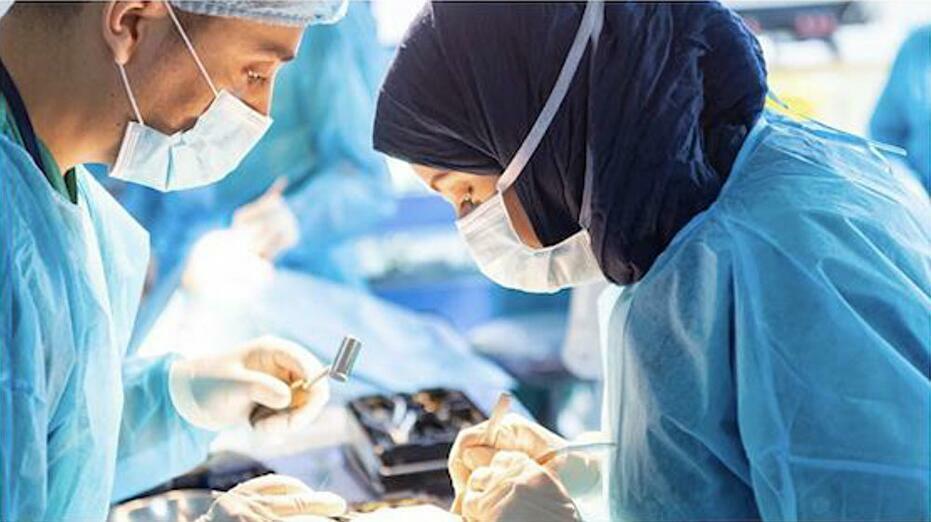
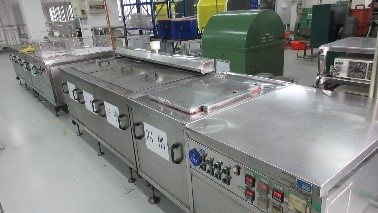
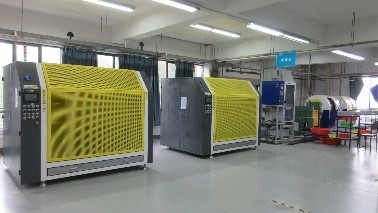
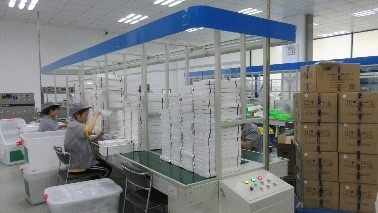
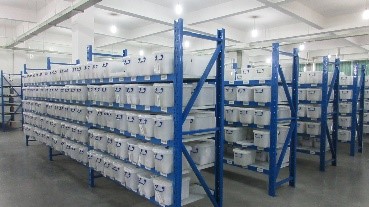
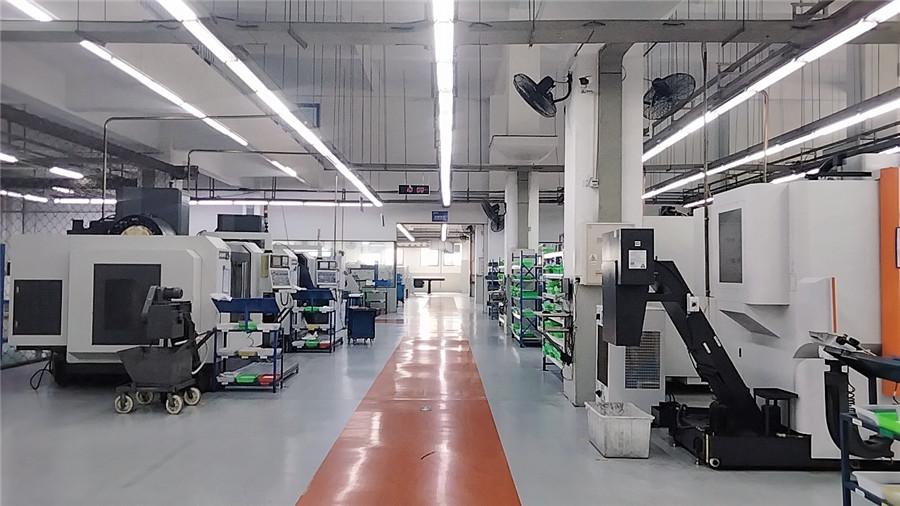
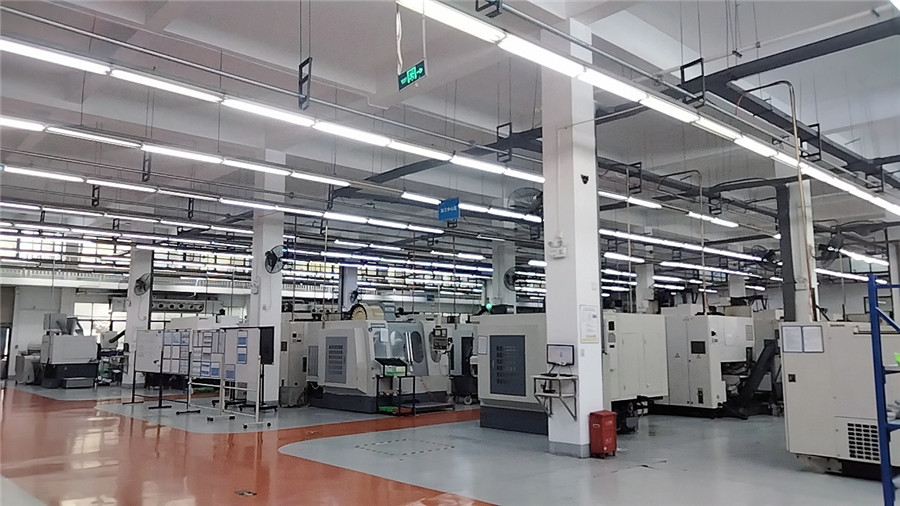
Inside our clinical-grade fabrication facility. Every step from alloy selection to final distribution is tracked via ERP and validated through multi-point inspections.
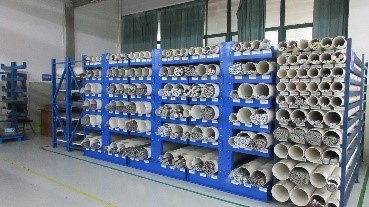
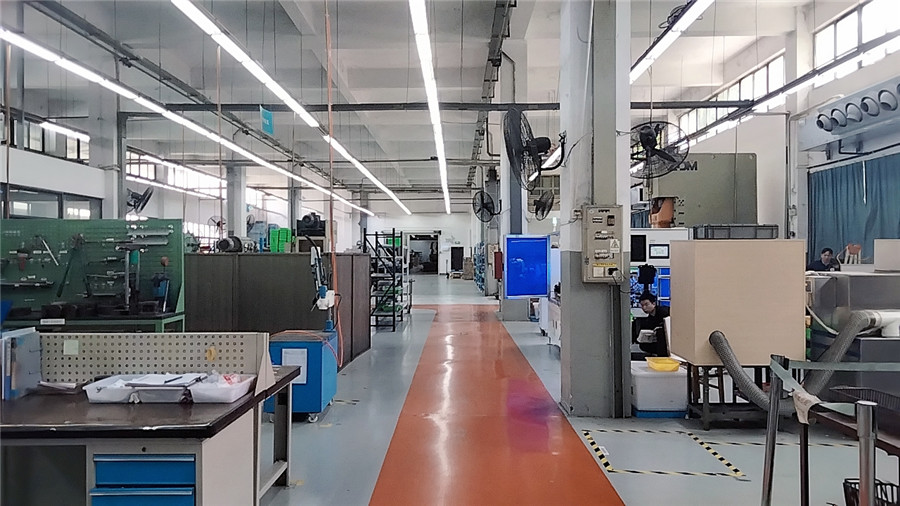
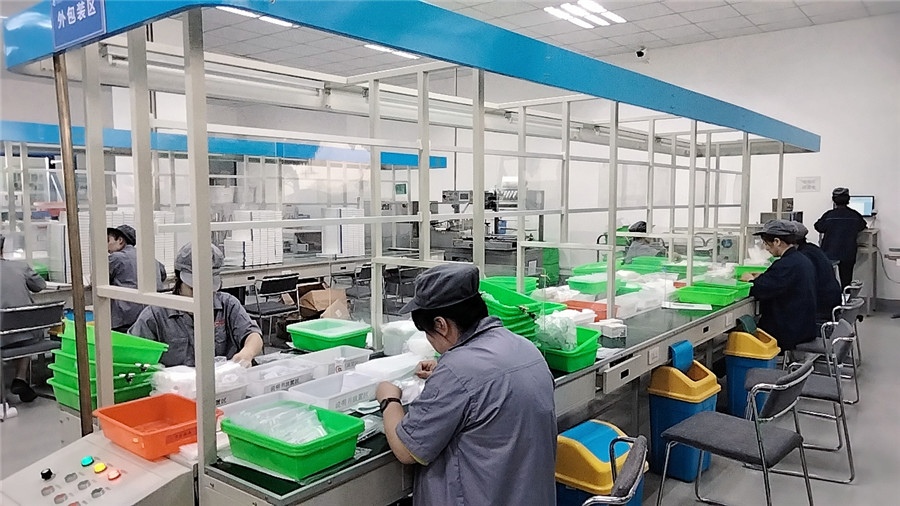
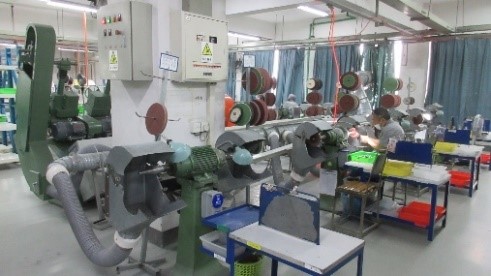
Our long-term development roadmap targets several technical advancements to improve osteosynthesis efficacy and streamline surgical procedures:
By blending mechanical engineering with physiological data, we ensure our OEM/ODM clients receive products that are clinically relevant and designed for next-generation surgical care.
Comprehensive tracking, material validation, and cleanroom configurations ensuring global clinical approval.
We execute strict validation processes in our factory. Every manufacturing run is subjected to coordinate measuring machine (CMM) dimensional checks, optical comparator verification, and metallurgical testing. We verify chemical compositions and microstructural conformity for every titanium and cobalt-chrome batch received.
Furthermore, our surface characterization testing ensures roughness (Ra) matches designed friction coefficients. This prevents local osteoblast abrasion while encouraging soft-tissue adhesion where clinically required.
| Standard/Certification | Focus & Scope | Target Markets |
|---|---|---|
| ISO 13485:2016 | Medical Devices Quality Management System | Global Requirement |
| CE Mark (MDR 2017/745) | Clinical Evaluation & Safety Compliance | European Union & Associated States |
| US FDA 510(k) Ready | Substantial Equivalence & Premarket Notification | United States |
| ASTM F136 / ISO 5832-3 | Standard Specification for Wrought Ti-6Al-4V ELI | Material Specification Compliance |
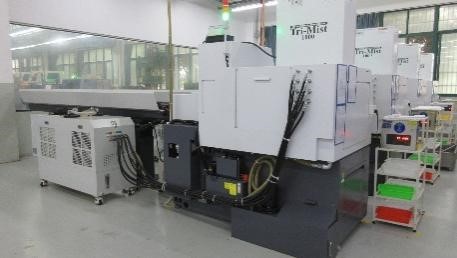
Our packaging lines operate within ISO Class 7 (Class 10,000) cleanrooms. This configuration controls airborne particulate levels, humidity, and micro-organism burdens. Our facility supports double-sterile barrier Tyvek pouch packaging and customized OEM tray sets configured for immediate hospital sterilization and shelf display.
Technical answers to common questions asked by procurement teams, clinical researchers, and distributors.
Explore our additional surgical systems designed to restore biomechanical function and joint mobility.
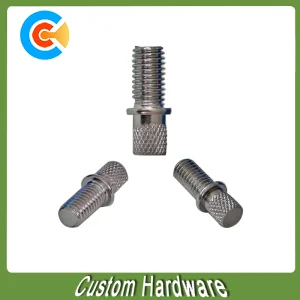
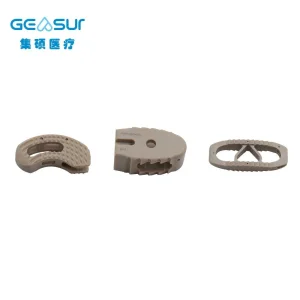
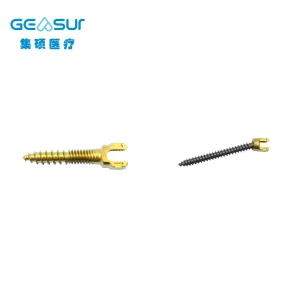
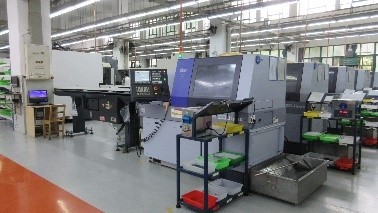
Maintaining stable orthopedic implant quality requires specialized machinery and stable process controls. Our factory uses advanced multi-axis longitudinal cutting lathes, automated CNC grinding stations, and medical-grade ultrasonic cleaners. These systems process complex plate configurations with minimal mechanical deviation.
By automating crucial machining processes, we maintain dimensional consistency and reduce production defects. This enables our products to meet the strict standards required for critical clinical applications.
 Nipa Orthopedic Implants