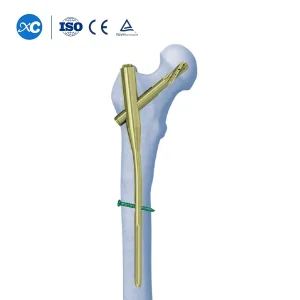
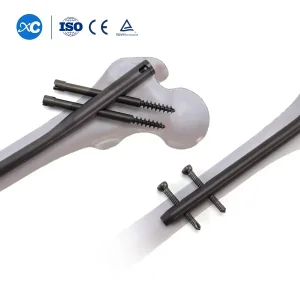
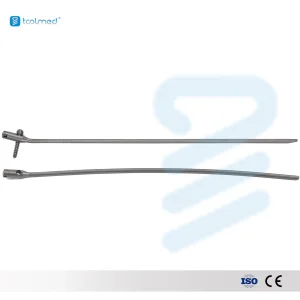
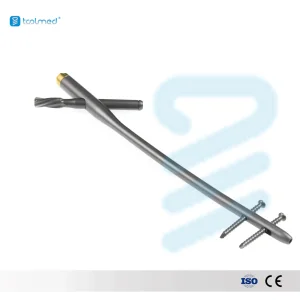
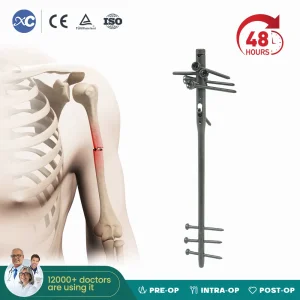
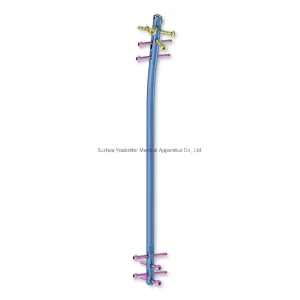
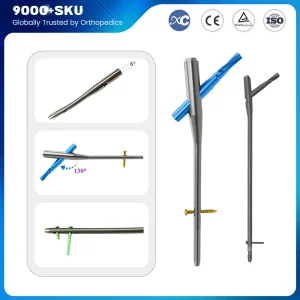
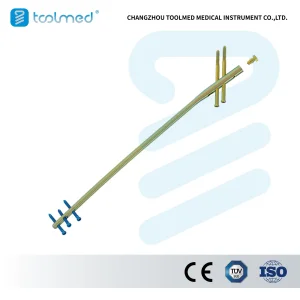
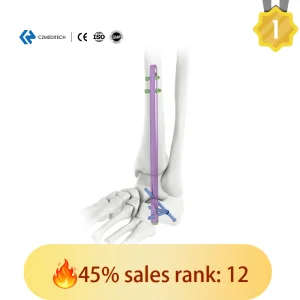
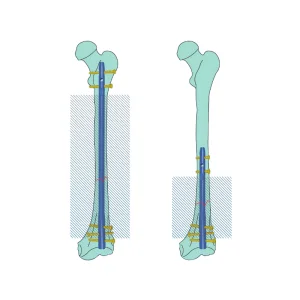
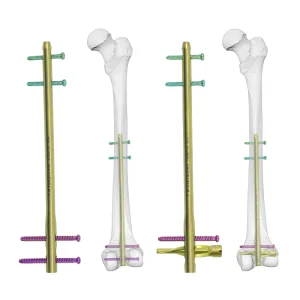
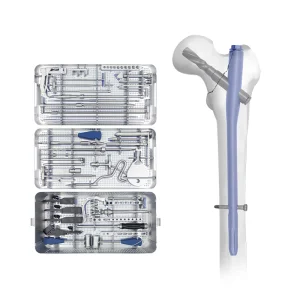
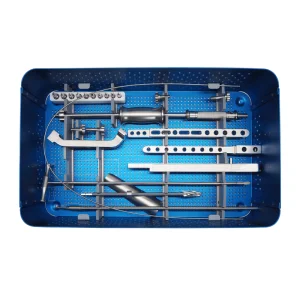
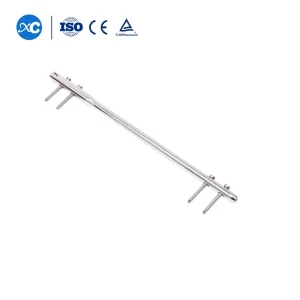
The global orthopedic trauma fixation market has witnessed a significant paradigm shift over the last decade, with Elastic Intramedullary Nails (EIN), often referred to as Titanium Elastic Nails (TEN), emerging as the gold standard for stabilizing diaphyseal fractures in children and certain small-bone applications in adults. As healthcare infrastructure expands across emerging economies, the demand for minimally invasive surgical (MIS) tools has skyrocketed.
Currently, the market is characterized by a high demand for biocompatible materials, specifically Grade 5 Titanium Alloy (Ti-6Al-4V). This material offers the perfect balance between flexibility and mechanical stability, allowing for the "three-point fixation" principle that promotes secondary bone healing through micromotion at the fracture site. Leading manufacturers in the USA and Europe have set high benchmarks, but China-based manufacturers are now closing the gap by integrating AI-driven precision machining and advanced surface treatments, offering competitive high-end solutions to hospitals in Southeast Asia, the Middle East, and Latin America.
The industry is moving beyond simple mechanical stabilization. Several key trends are defining the future of Elastic Intramedullary Nailing systems:
Advanced anodic oxidation and nano-coating technologies are being applied to nails to enhance osseointegration and provide antibacterial properties, reducing post-operative infection rates.
Artificial intelligence is now used to analyze bone density patterns, leading to the development of "Variable Stiffness" nails that can adapt to the patient's specific physiological loading conditions.
There is a continuous push toward reducing the surgical incision size. Modern EIN kits now include ergonomic inserters and specialized end caps that prevent soft tissue irritation.
As a leading supplier of intramedullary nails, we stay at the forefront of these trends, investing heavily in R&D to ensure our products not only meet current surgical requirements but anticipate the next generation of clinical challenges.
Procuring medical devices on a global scale requires a deep understanding of regulatory compliance and supply chain reliability. For international hospital groups and medical device distributors, the key criteria for selecting an Elastic Intramedullary Nail manufacturer include:
Our factory utilizes a lean manufacturing model that allows for both high-volume production and customized OEM/ODM services, ensuring that we meet the diverse needs of regional healthcare systems from Brazil to Germany.
China has evolved from a low-cost manufacturing hub into a high-tech center for medical innovation. Our facility exemplifies this transformation through:
We use Japanese and Swiss CNC 5-axis machining centers to ensure tolerances within microns, providing perfect fit and finish for every nail.
By optimizing our supply chain and utilizing localized high-grade raw materials, we offer premium quality at a fraction of the cost of Western brands.
Located near major shipping ports, we offer expedited shipping options, reducing lead times for urgent trauma hospital tenders.
Our Elastic Intramedullary Nails are designed with a blunt tip to prevent cortical perforation and a specific curvature to facilitate easy insertion, making them a favorite among trauma surgeons globally.
We have one of the most comprehensive orthopaedics portfolios in the world, we help heal and restore movement for millions of patients. Our products span various specialties, including joint reconstruction, trauma, craniomaxillofacial, spinal surgery, and sports medicine.
Building on our proud legacy of industry firsts, we are honoring our commitments to quality and innovation while creating a future where it's easier than ever before to keep people moving.
We are inspired to be good citizens of the world.
Our Credo challenges us to put the needs and well-being of the people we serve first. That means we are responsible to the communities in which we live and work and the global community as a whole.
We must be good citizens, encourage civic improvements, better health and education, and maintain the property we are privileged to use by protecting the environment and its natural resources.
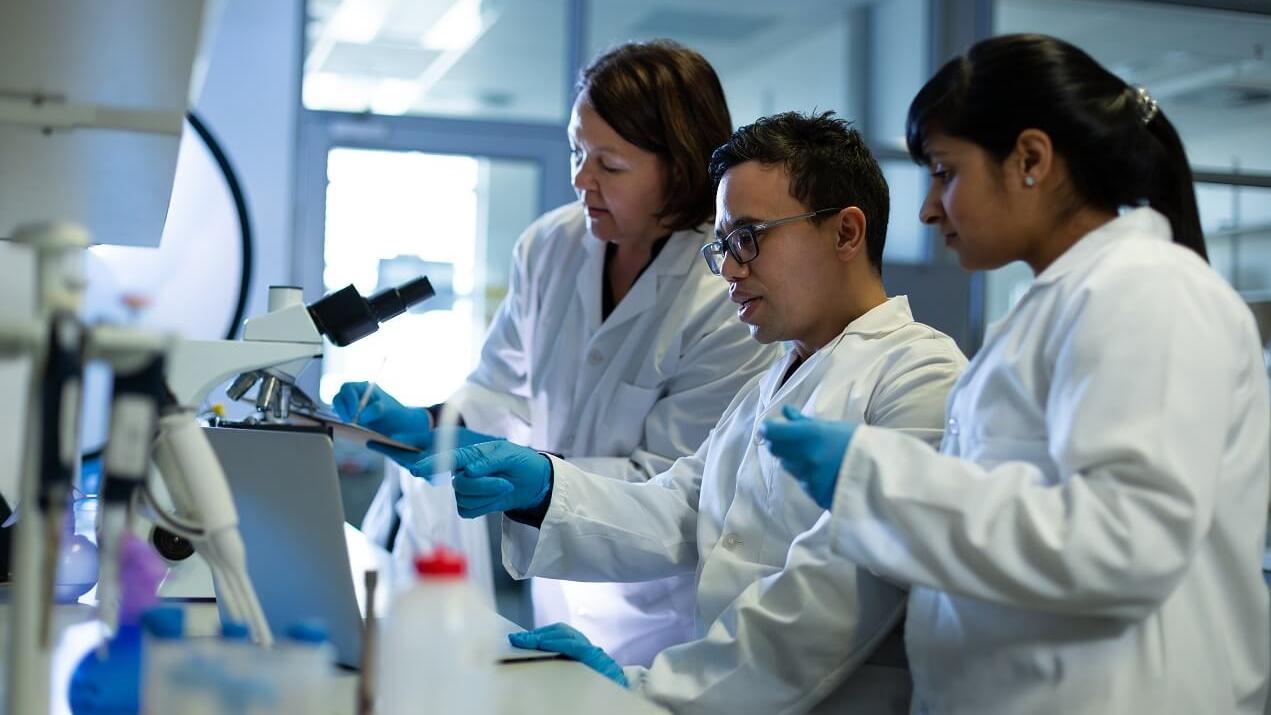
Advanced Laboratory Research & Clinical Cooperation
For more than 60 years, DePuy Synthes has partnered with the AO Foundation aiming to improve patient outcomes and build on our commitment to product and surgical innovation.
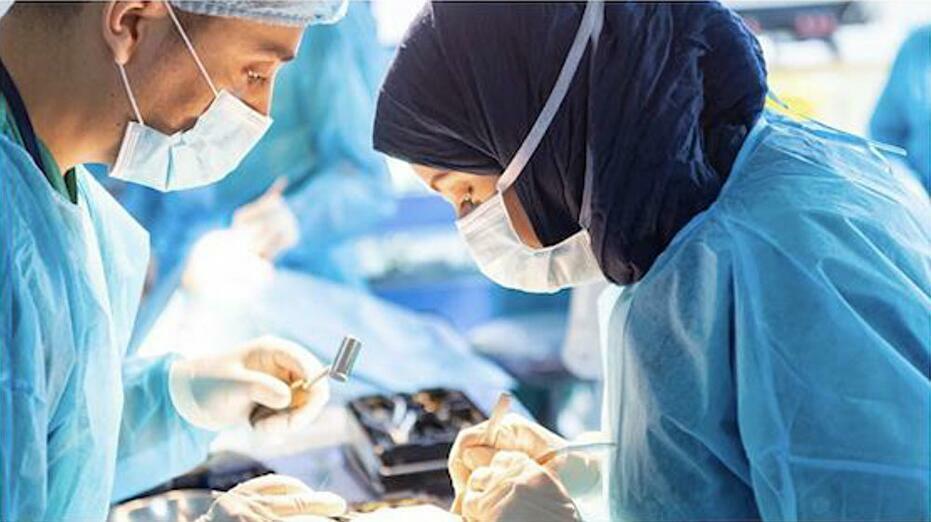
The application of Elastic Intramedullary Nails varies across different patient demographics and anatomical regions. Understanding these nuances is key to surgical success:
In children aged 5 to 14, EIN is the preferred method for femoral shaft fractures. The elastic properties allow for controlled axial loading while maintaining alignment, which is essential for rapid callus formation. In resource-limited settings, the simplicity of the EIN technique reduces the need for expensive C-arm fluoroscopy time compared to complex plating.
For both pediatric and adolescent patients, unstable fractures of the radius and ulna can be effectively treated with small-diameter elastic nails. This technique avoids the large scars associated with open reduction and internal fixation (ORIF), providing better aesthetic outcomes and faster return to function.
In adolescents where the growth plates (physes) are still open, traditional interlocking nails are contraindicated. Elastic nails provide a "physeal-sparing" alternative that stabilizes the fracture without risking premature growth plate closure or limb length discrepancy.
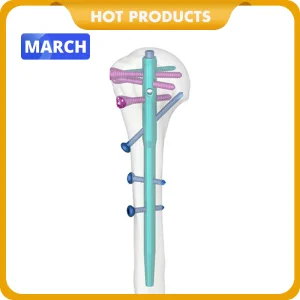
In adults with humeral shaft fractures where conservative treatment has failed, retrograde or antegrade insertion of elastic nails offers a stable, minimally invasive fixation method that preserves the rotator cuff and prevents radial nerve injury.
Our manufacturing process for Elastic Intramedullary Nails is built on a foundation of rigorous science and engineering. We use Medical Grade Titanium Alloy specifically selected for its Young's Modulus, which closely mimics that of human cortical bone. This reduces "stress shielding," a common problem with stiffer stainless steel implants where the bone becomes weak because the implant carries all the load.
Quality control steps include:
By maintaining these standards, we have become a trusted manufacturer and supplier for top-tier trauma centers worldwide, ensuring that every patient receives an implant they can rely on for a lifetime of movement.
 Nipa Orthopedic Implants