Explore our elite portfolio of high-precision internal and external fixation medical products, engineered to restore human biomechanics and structural integrity.
An authoritative deep dive into clinical trajectories, advanced metallurgic technologies, and modern global supply systems.
The global orthopaedic trauma surgery paradigm is undergoing an unprecedented shift. As geriatric demographics rise globally and high-energy polytrauma incidents require immediate intervention, clinical requirements for trauma implants are shifting toward extreme biocompatibility, rapid osseointegration, and anatomical precision. The contemporary trauma implants market, expanding at a CAGR of 6.2% annually, demands implants that not only stabilize bone fragments but also minimize surrounding soft-tissue damage.
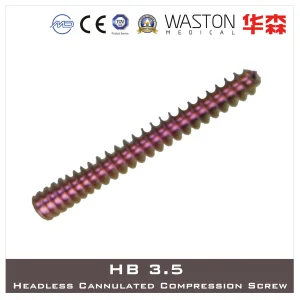
Recent surgical advancements favor minimally invasive stabilization techniques, requiring implants designed specifically for percutaneous insertion. Innovations like cannulated compression screws, anatomical locking compression plates (LCPs), and hybrid external fixators are paving the way for immediate postoperative weight-bearing, ultimately improving patient outcomes and lowering healthcare costs.

Healthcare buyers, global distributors, and hospital procurement boards face multiple challenges in today's supply chain environment. Beyond purchasing products, they must manage strict regulatory hurdles, including the European Union's Medical Device Regulation (MDR) and the US FDA 510(k) pathway. To protect hospital networks from supply line disruptions, procurement teams are looking to diversify their manufacturing origins, demanding partners with high supply reliability and strict adherence to ISO 13485 quality systems.
Additionally, material transparency is critical. Sourcing pure Grade 5 Titanium (Ti-6Al-4V ELI), Medical-Grade Polyetheretherketone (PEEK), and Cobalt-Chromium-Molybdenum (CoCrMo) alloys requires strict quality control from raw materials to final sterilization. Organizations like the AO Foundation have established high benchmarks for surgical instrumentation, which manufacturers must integrate directly into their product lifecycles to remain competitive.
How advanced smart-manufacturing environments achieve high cost-efficiency, strict quality control, and scalable logistics.
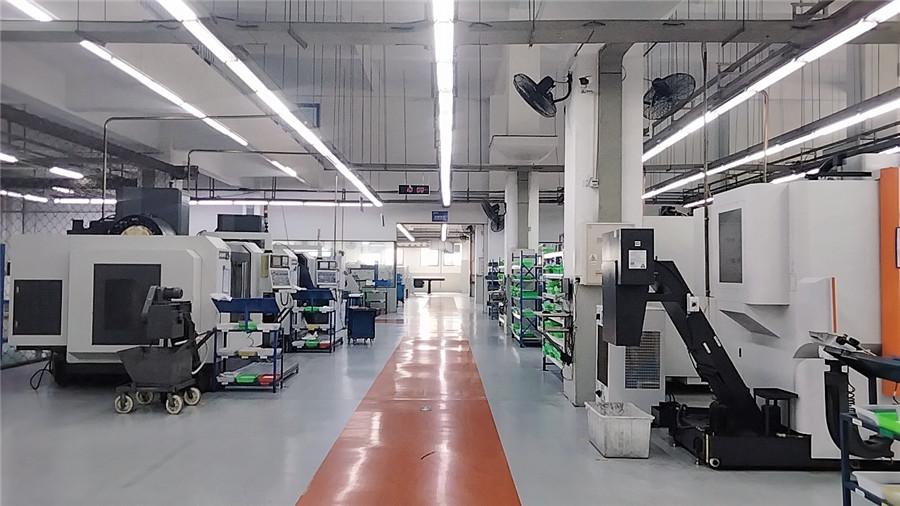
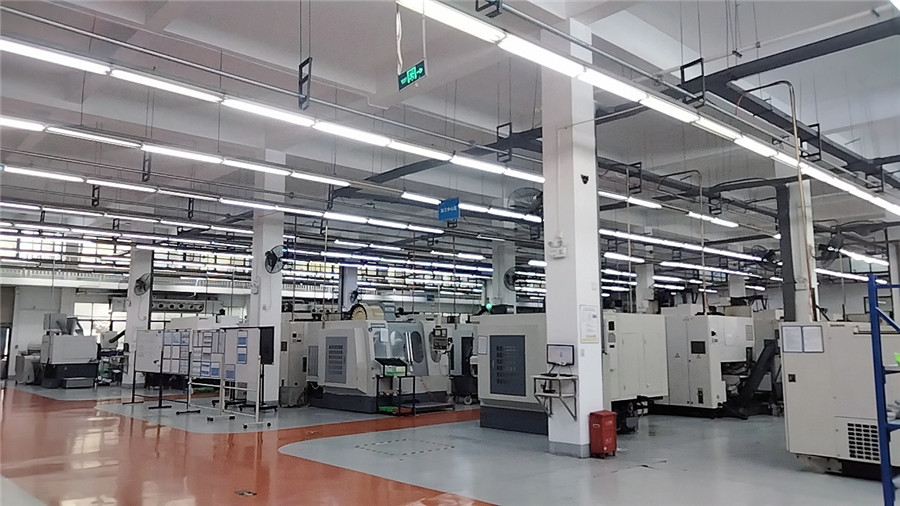
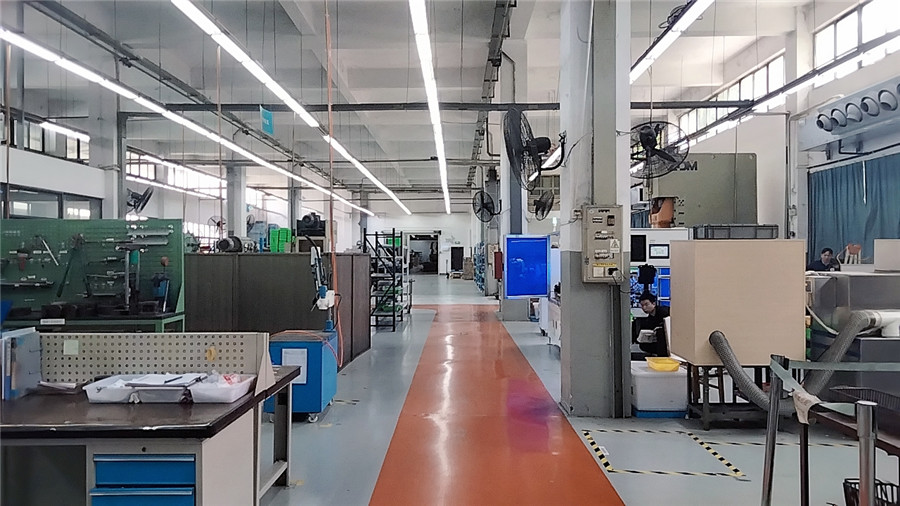
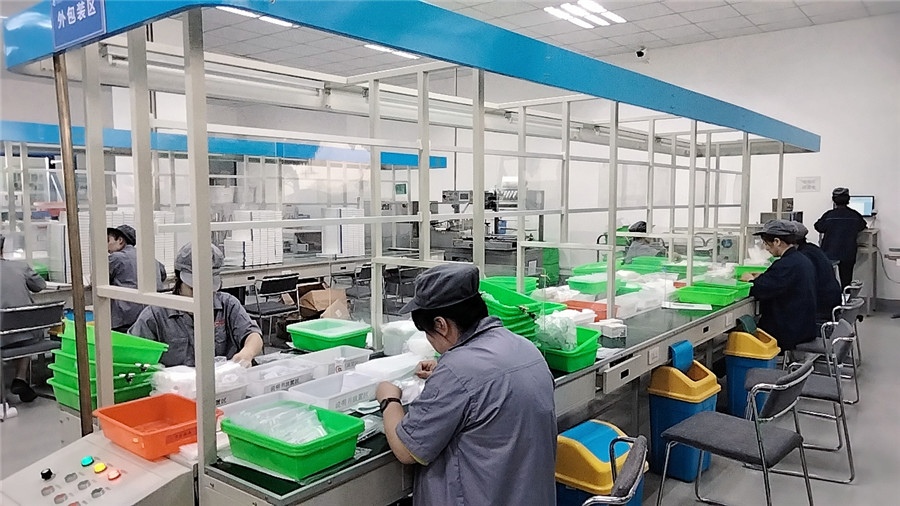
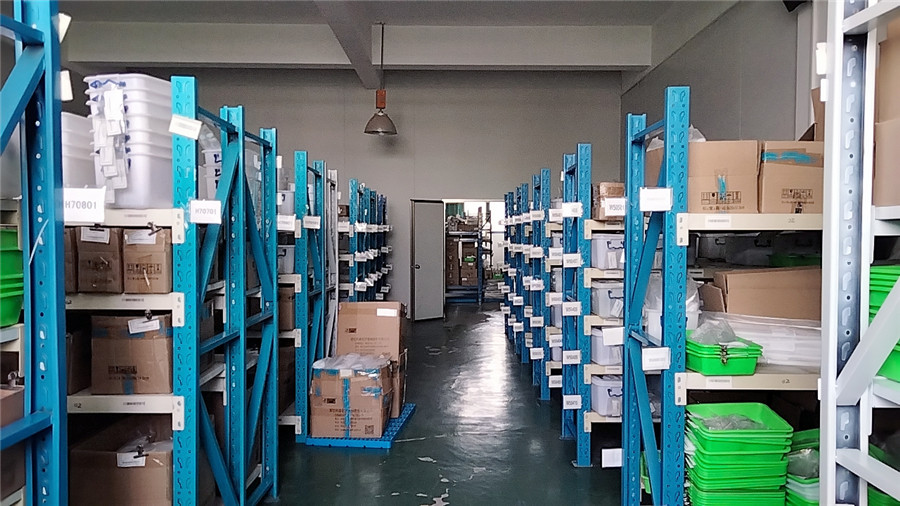
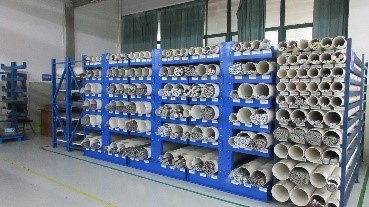
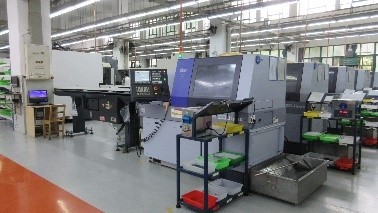
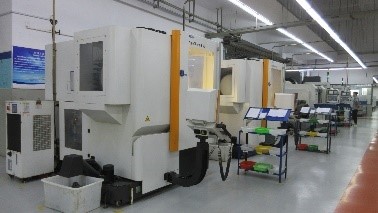
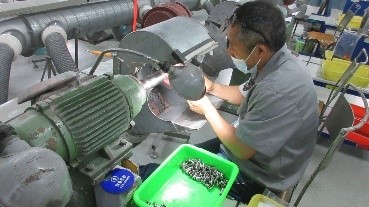
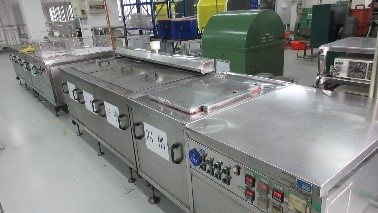
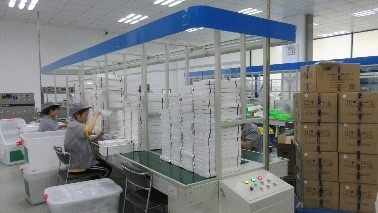
Our state-of-the-art facility integrates advanced production automation with strict quality inspection protocols. Utilizing Swiss-type longitudinal cutting lathes and multi-axis CNC machining centers, we consistently achieve micro-tolerances within +/- 5 microns. By automating the manufacturing process, we eliminate human error and maintain quality across large-volume production runs. Every single batch of trauma plates, spinal rods, and interbody cages undergoes strict testing, including coordinate measuring machine (CMM) testing, surface roughness analysis, and micro-crack detection.
Our Credo challenges us to put the needs and well-being of the people we serve first. That means we are responsible to the communities in which we live and work and the global community as a whole. We must be good citizens, encourage civic improvements, better health and education, and protect the environment and its natural resources.
Supporting our partners in care is a key part of our mission. Whether that’s helping fund educational programs for the next generation of healthcare providers, providing medical kits for global healthcare missions, or supporting our partners to offer events for industry professionals, we’re dedicated to contributing to the advancement of healthcare.
For more than 60 years, partnering with the AO Foundation has aimed to improve patient outcomes and build on our commitment to product and surgical innovation. We align closely with AO principles to deliver superior biological fixation and clinical safety globally.
Bridging the gap between materials science and clinical utility for long-term implant performance.
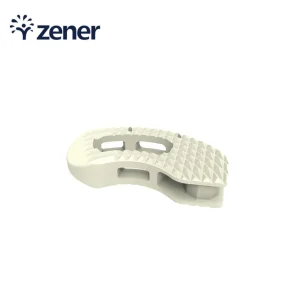
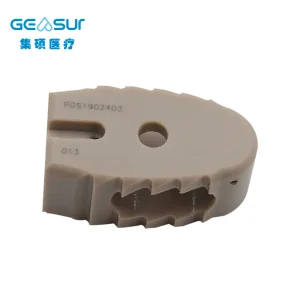
In spinal reconstruction, interbody fusion cages must match the elasticity of natural bone to minimize stress shielding and subside risks. Medical-grade Polyetheretherketone (PEEK) has an elastic modulus close to cortical bone. However, smooth PEEK surfaces can limit direct bone contact. To address this, we apply a micro-textured titanium coating to the PEEK core. This combination merges the structural elasticity of PEEK with the osteoconductive advantages of titanium, encouraging bone ingrowth and stabilizing the spine.
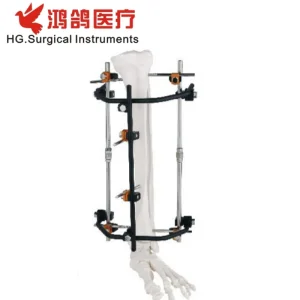
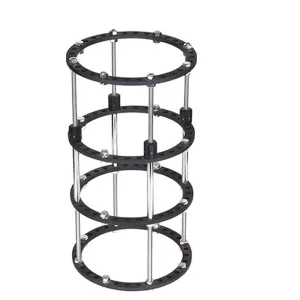
Complex tibial and femoral fractures, as well as limb lengthening procedures, rely on Ilizarov circular fixators. Made from high-strength aluminum alloys, our rings offer structural stability while remaining lightweight for improved patient comfort. Combined with tensioned wires and adjustable struts, these configurations allow orthopedic surgeons to adjust load distribution dynamically, promoting natural bone healing through micromotion.
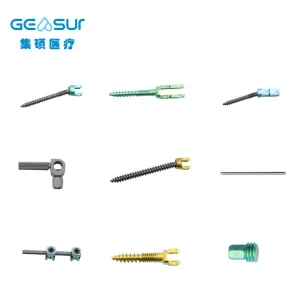
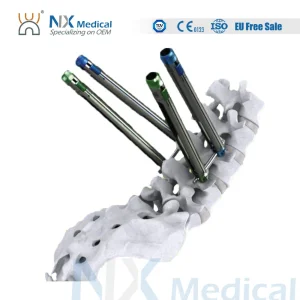
Modern posterior spinal internal fixation techniques prioritize muscle preservation. Our MIS Cannulated Pedicle Screws feature a hollow core designed for insertion over a guide wire, minimizing soft-tissue disruption. For osteoporotic bone, we offer cement-augmented cannulated screws. These permit the injection of PMMA bone cement directly through the screw core, anchoring the thread in low-density bone and reducing the risk of screw pullout.
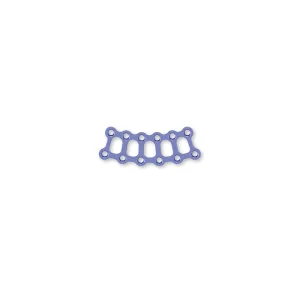
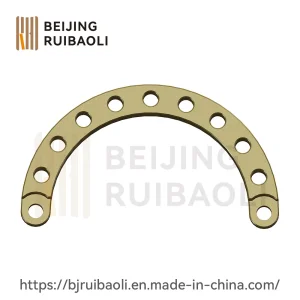
Our CMF plate and screw systems feature thin profiles (down to 1.5mm) designed to fit flat bone surfaces while providing stable fixation. Highly ductile pure titanium allows surgeons to shape and bend plates to fit patient anatomy without losing structural integrity or causing fatigue fractures.
Providing clear, expert answers to key regulatory, metallurgical, and distribution questions in the global orthopedics industry.
Discover additional reconstructive, external fixation, and spinal instrumentation options to complete your clinical inventory.
 Nipa Orthopedic Implants