Engineered for high mechanical stability, minimal invasiveness, and rapid placement. Our clinical-grade hardware is designed to handle severe long-bone fractures, periarticular injuries, and pelvic disruptions under emergency protocols.
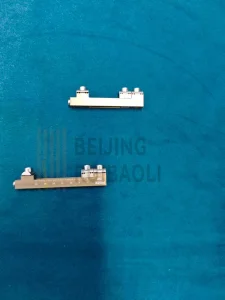
Ultra-compact mini finger rail fixator engineered specifically for phalangeal and metacarpal trauma reconstruction.
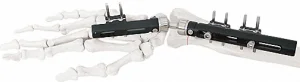
Biocompatible medical-grade titanium alloy constructs offering structural integrity and enhanced radiolucency.
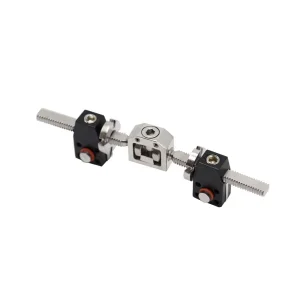
Affordable, versatile structural splint systems targeting municipal trauma wards and emergency field applications.
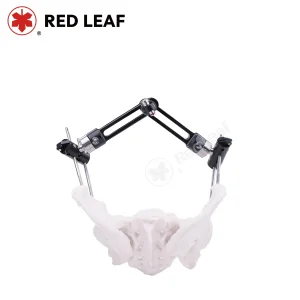
High-rigidity dual-section system designed for rapid stabilization of unstable pelvic ring disruptions.
The Republic of Trinidad and Tobago represents one of the most sophisticated economies in the Caribbean, where industrial sectors—particularly oil, gas, and petrochemicals—drive a unique landscape of occupational medicine. Major industrial facilities in Point Lisas and southern Trinidad demand rigorous trauma and emergency medicine capabilities. Furthermore, regional transport networks present a continuous load of road traffic accidents requiring rapid skeletal stabilization.
Public healthcare delivery is divided across five Regional Health Authorities (RHAs), including the Eastern RHA, North West RHA (governing the Port of Spain General Hospital), and South West RHA (governing the San Fernando General Hospital). These public institutions, alongside specialized private clinics, face a rising demand for reliable, versatile external fixators. Historically dependent on expensive North American and European imports, Trinidadian procurement systems are increasingly seeking CE and ISO-certified alternatives that balance high mechanical properties with cost efficiency.
Importation and regulatory compliance fall under the Chemistry, Food and Drugs Division (CFDD) of the Ministry of Health. Ensuring that orthopedic implants meet international quality control standards while keeping logistics cycles streamlined via major hubs like the Port of Port of Spain is crucial for sustaining the domestic supply chain.
As orthopedic trauma surgical procedures advance, hardware demands are transitioning toward materials and designs that facilitate speed, adaptability, and enhanced postoperative diagnostics.
Traditional heavy surgical stainless steel has largely evolved toward high-strength, lightweight Grade 5 Titanium Alloy (Ti-6Al-4V ELI) and Radiolucent Carbon Fiber composite bars. This shift reduces the structural load on the patient while eliminating radiographic artifacts during postoperative X-rays and CT scans.
The introduction of snap-on pin-to-bar and bar-to-bar clamps allows orthopedic surgeons in Trinidad to construct configurations in real-time, matching patient anatomy. From unilateral mini finger rails to spanning tibia-femur structures, modularity minimizes time spent under anesthesia.
The future of complex fracture management focuses on digital pre-planning. Interfacing linear systems with computerized bone modeling systems enables surgeons to predict load distributions and mechanical forces accurately, accelerating structural bone healing cycles.

At our core, supporting our clinical partners is the focal point of our mission. Whether funding education initiatives for the next generation of orthopedic providers, donating critical medical supplies for emergency missions, or supporting research symposiums for regional professionals, we are dedicated to helping advance healthcare worldwide.
For the Caribbean market, this means providing not just implants but comprehensive instrument sets, sterilizer trays, and surgical templates. We aim to equip surgical centers with the reliable tools needed to handle complex orthopedic trauma cases, ensuring patients receive high-quality care without regional supply delays.
We are inspired to be good citizens of the world. Our credo challenges us to put the needs and well-being of the people we serve first. That means we are responsible to the communities in which we live and work and the global community as a whole. We must encourage civic improvements, better health, and education, and protect the environment and its natural resources.
By studying the best industry standards, such as the partnership between DePuy Synthes and the AO Foundation, we maintain our focus on product and surgical innovation. For over 60 years, such alliances have improved patient outcomes globally, setting the standard for bone fixation and stabilization methodologies that our engineers utilize in designing our own external fixation lines.
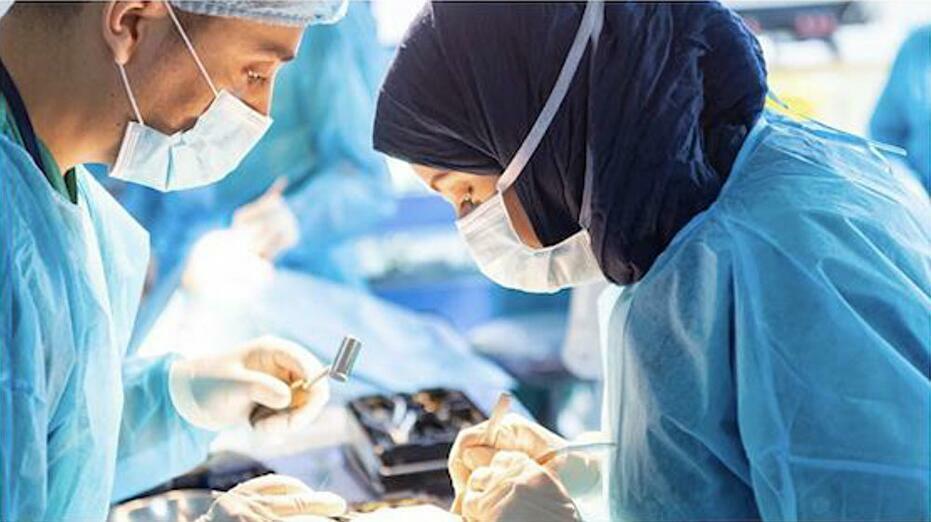
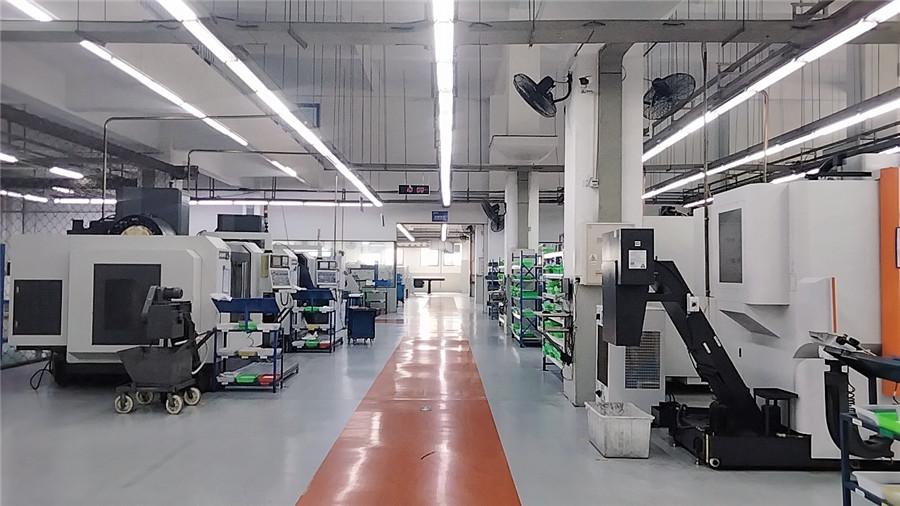
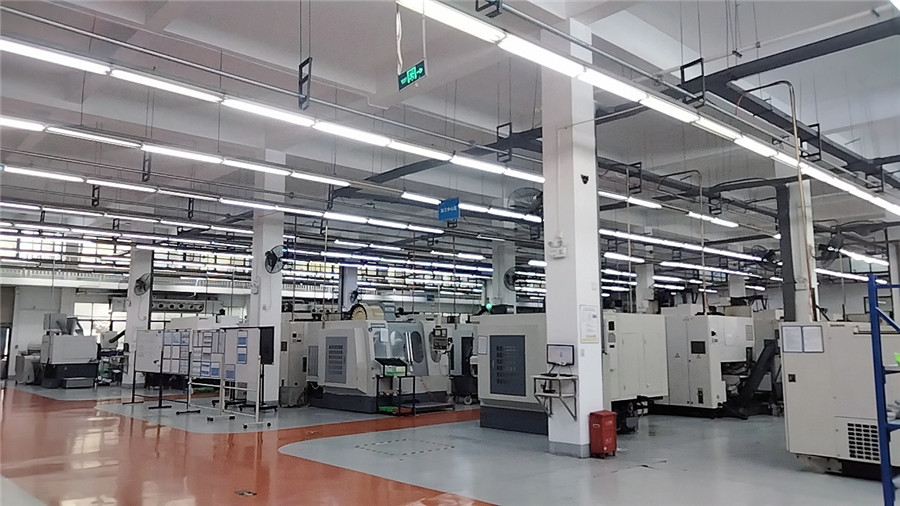
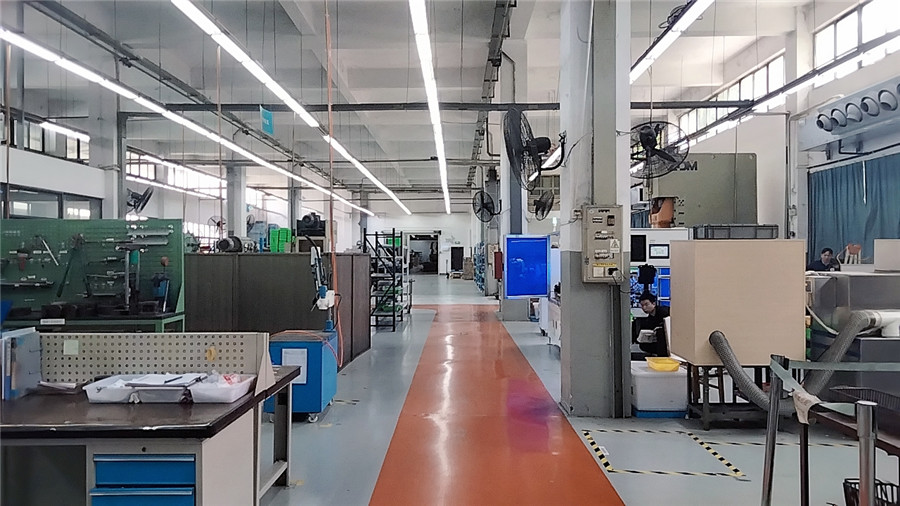
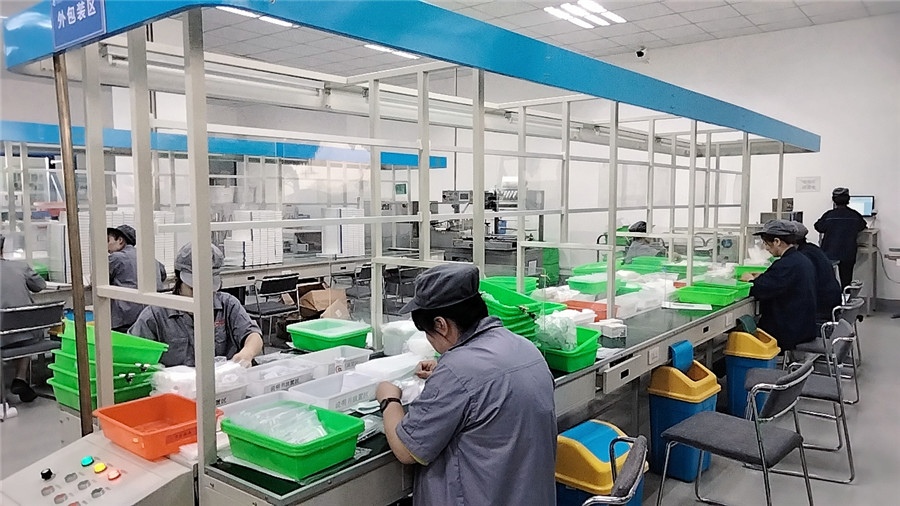
Our manufacturing process utilizes advanced technology and quality control steps to produce orthopedic implants designed for high mechanical performance and patient safety.
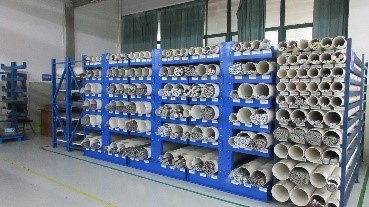
Raw Material
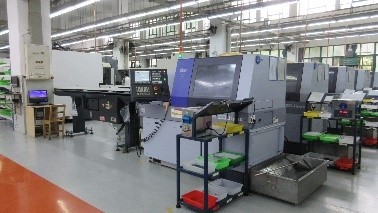
Longitudinal Cutting
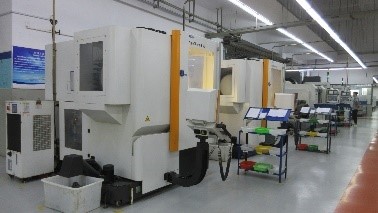
CNC Machining
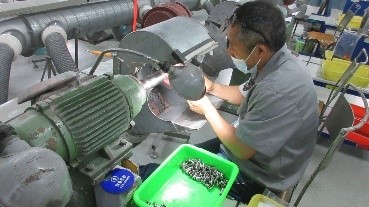
Polishing
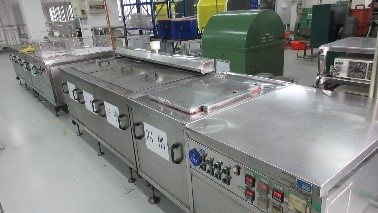
Ultrasonic Washing
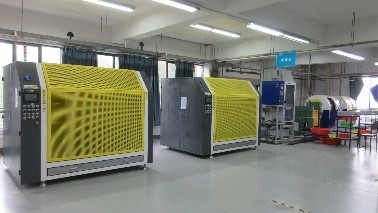
Grinding
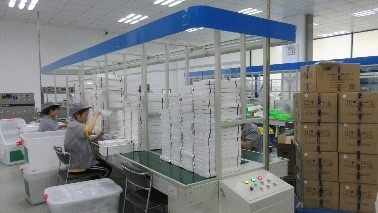
Packing Line
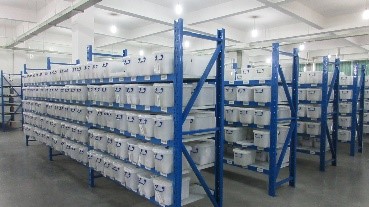
Storage
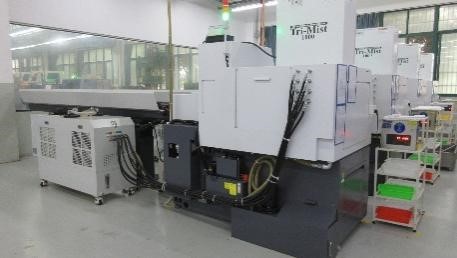
Longitudinal Lathe
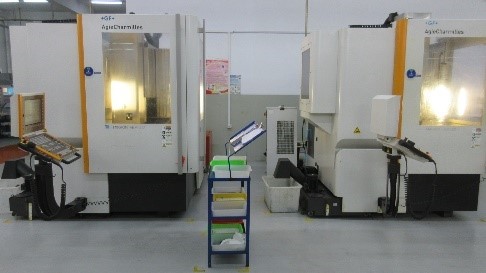
CNC Station
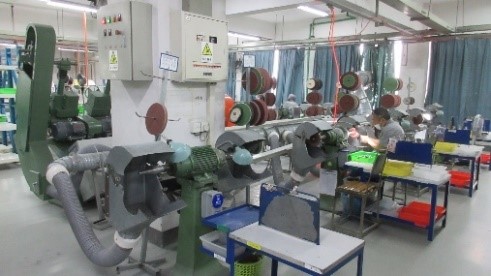
Quality Control Inspection
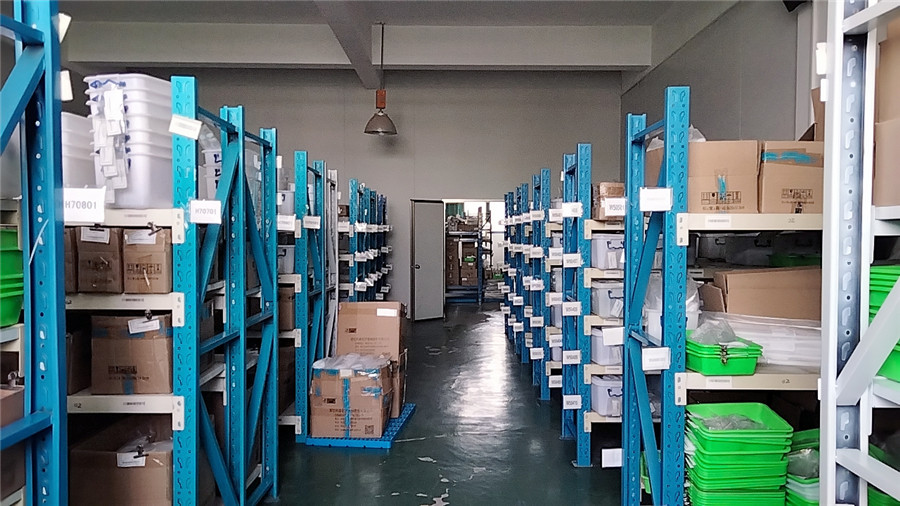
Exporting life-critical medical devices to Trinidad and Tobago requires compliance with domestic and international safety standards. Our entire catalog holds ISO 13485 certifications, CE marks, and FDA-compliant documentation, facilitating approval by the Chemistry, Food and Drugs Division (CFDD) under the Ministry of Health.
We work closely with local medical distributors in Port of Spain, San Fernando, and Chaguanas to streamline customs clearance. By providing complete registration files, certificates of free sale, and comprehensive clinical evaluation reports, we reduce regulatory lead times. Furthermore, we support clinical educational programs in Trinidad to ensure surgical teams have access to the hands-on dry-lab instruction and instrumentation expertise necessary to maximize patient outcomes.
Explore our selection of specialized systems configured for high-stress applications, including complex hand reconstruction, long-bone spanning, and pediatric orthopedic surgeries.
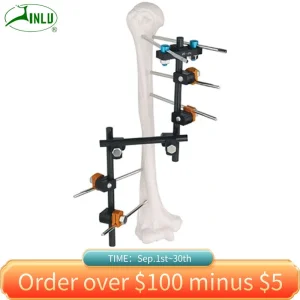
Versatile multi-planar framework configuration providing high rigidity for complex distal tibia reconstruction.
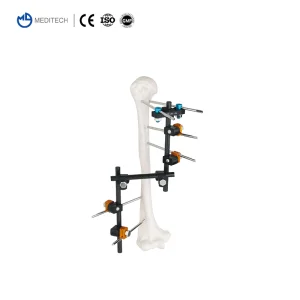
Standardized clinical-grade trauma external skeletal components built for hospital-wide system configurations.
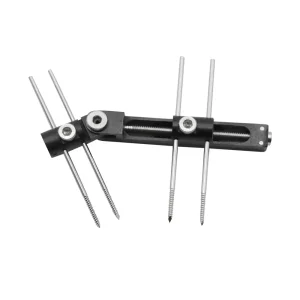
Anatomically proportioned micro-implants targeting complex articular and shaft fractures within the hand.
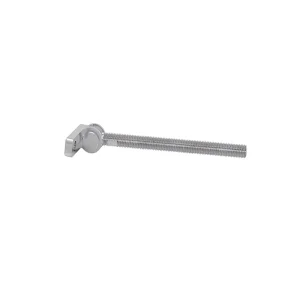
Ring fixator accessories and L-type hinge modules for hybrid construct setups and bone lengthening procedures.
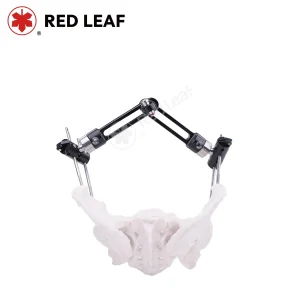
High-stability clamp configuration engineered to support early mobilization protocols in pelvic ring trauma.
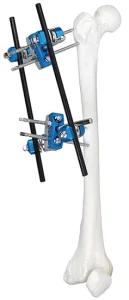
Heavy-duty long bone external stabilization frames built from robust medical alloys for femoral and tibial applications.
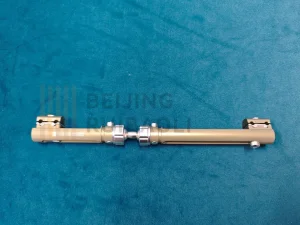
Articulating single ball-joint structure allowing controlled wrist distraction and multi-planar alignment.
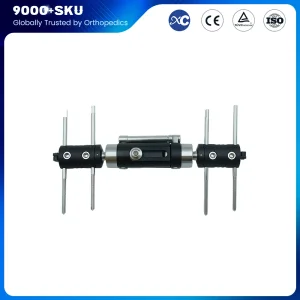
Heavy-duty structural bars and high-load pin clamps for knee spanning stabilization during soft-tissue recovery.
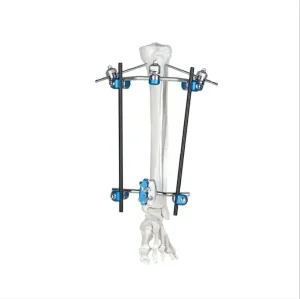
Integrated orthopedic frame configurations designed to adapt to compound diaphysis bone fracture scenarios.
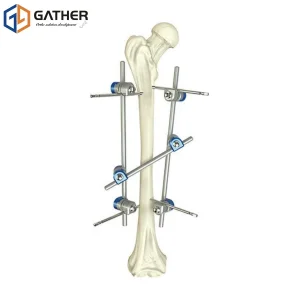
Standard external orthopedic supports designed for cost-effective recovery and immobilization applications.
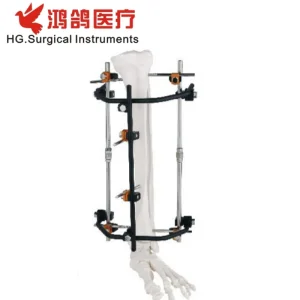
Optimized side-fixator systems constructed to treat ankle instability and periarticular tibia fractures.
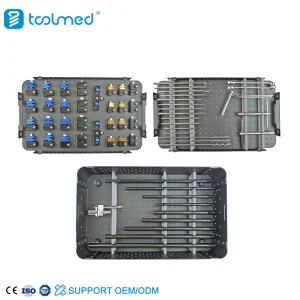
Surgical instrumentation kit containing the pin drivers, wrenches, and templates needed for rapid frame application.
Explore technical responses to common inquiries regarding regulatory, structural, and procurement procedures for external fixators in Trinidad and Tobago.
Optimize your orthopedic implant supply chain. Contact our B2B procurement team today to request a quote, order samples, or discuss regulatory filings for the Caribbean market.
 Nipa Orthopedic Implants